Understanding the Effects of Punishment on Long-Term Behavior
3 February 2026
Let’s be honest, punishment is one of those things that feels super satisfying in the short term, like eating an entire pizza alone on a Saturday night. But just like that greasy decision, it doesn’t always pan out well in the long run — especially when it comes to human behavior.
Whether you're a parent trying to tame your little tornado of a toddler, a teacher dealing with chatty students, or a manager looking to handle underperforming employees, understanding how punishment affects behavior over time is crucial. Spoiler alert: It’s not as straightforward as a swat on the wrist and a magical transformation into sainthood. In fact, punishment can have some sneaky side effects that stick around like that weird dream you had three nights ago.
So grab a snack, get comfy, and let’s dive into the wonderfully chaotic world of human psychology and punishment.
What Counts as "Punishment," Really?
Before we go full Freud, let’s clarify what we mean by punishment. In psychology-speak, punishment refers to any consequence that reduces the likelihood of a behavior happening again. It’s like behavior’s version of, “Nope, don’t do that again.”There are two main types:
- Positive Punishment: This one’s a bit ironic. “Positive” doesn’t mean it’s all rainbows and puppies — it just means adding something unpleasant after a behavior. Example: getting a ticket for parking in a no-parking zone.
- Negative Punishment: This means taking away something pleasant. Like when your mom yanked away your phone after you backtalked her. Classic move, Mom.
Problem is, punishment might stop a behavior temporarily, but it's not always great at teaching people what they should be doing instead. Like, cool, I know not to scream in meetings now, but what do I do when I’m frustrated?
Why Punishment Feels Like It Works (At First)
Punishment can feel like a quick fix — and sometimes, it is. If your dog is chewing your shoes and you go “Hey! Stop that!” and they do, it seems like a win. Same with kids, students, even adults. But here’s the catch: the behavior might stop in the moment — not because they understand why it’s wrong, but because they’re scared or confused.Sure, the behavior might disappear faster than your motivation to go to the gym, but it’s often just hiding out, waiting for a less risky time to re-emerge. Like a ninja. A ninja with bad habits.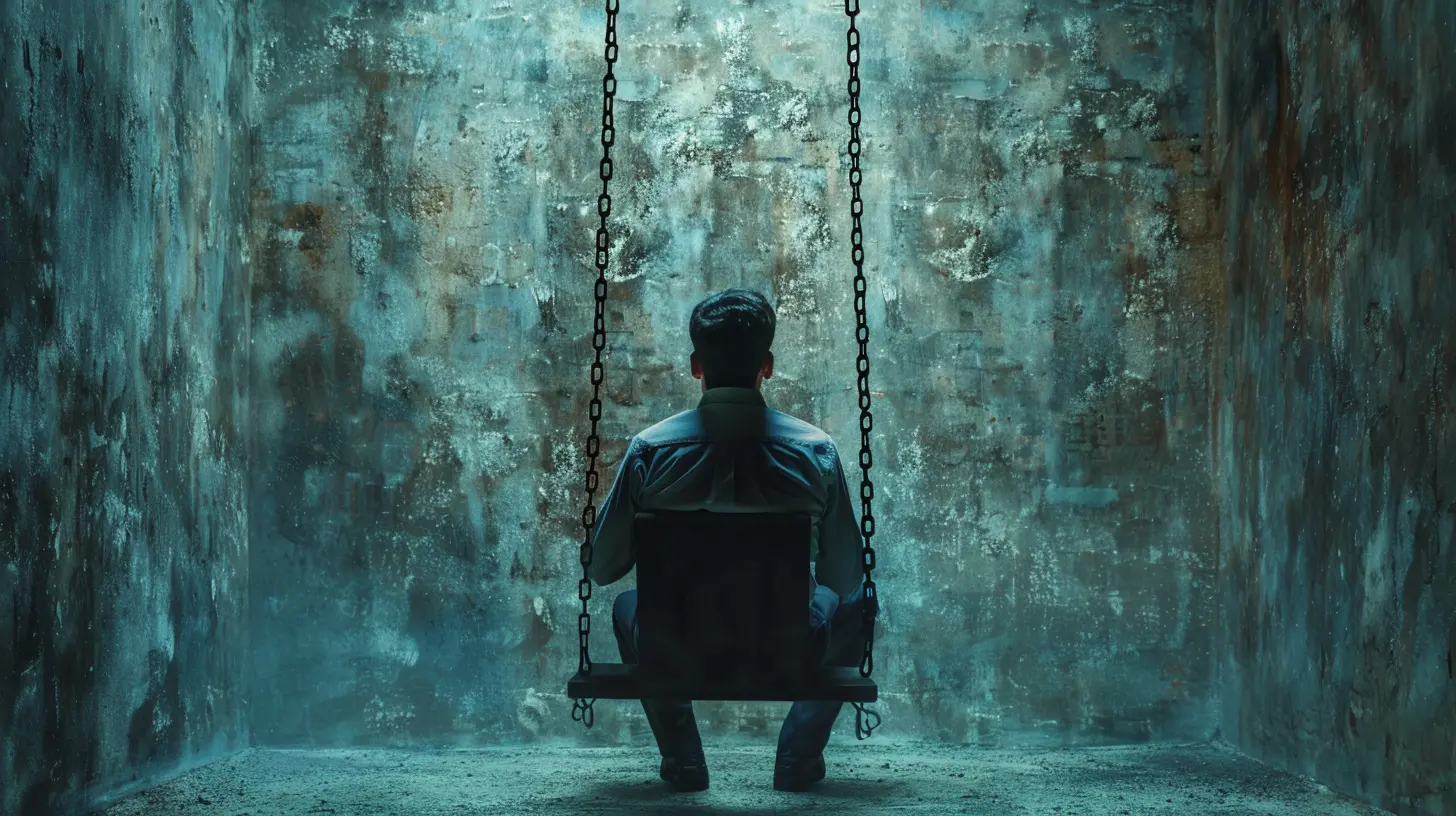
Long-Term Side Effects: More Than Just Hurt Feelings
Remember that time you got grounded for a week and came out plotting your escape route like you were in a spy movie? Yeah, punishment has a way of creating some unexpected long-term effects.1. Behavior Suppression, Not Elimination
Punishment might stop the behavior around you, but it doesn’t erase the desire to do it. People just get sneakier. It’s the “I’ll only lie if I know I won’t get caught” mentality.And if it’s fear-based? Even worse. You’re creating a situation where someone’s behavior is based purely on avoiding pain or consequence, not because they understand or internalize better values.
2. Increased Aggression and Resentment
Let’s get real — no one likes being punished. It can feel humiliating, frustrating, and unfair. Over time, these feelings can grow into bitterness, especially if the punishment feels inconsistent, harsh, or pointless.Ever notice how the most punished kid in school was often the most disruptive? That’s not a coincidence. Punishment without support can turn a meh situation into a boiling pot of rebellion.
3. Fear and Anxiety
Sure, punishment might get your dog to stop barking at the vacuum, but it also might make them terrified of cleaning day. Humans aren’t that different.If someone grows up in a home, school, or work environment where punishment is random or excessive, they may start walking on eggshells. Anxiety, self-doubt, perfectionism — these are the psychological leftovers of a punishment-heavy system.
4. Decreased Intrinsic Motivation
Here’s a biggie if you’re a teacher or manager: people learn better when they want to learn, not when they’re afraid of failing. Constant punishment can kill internal motivation faster than a surprise pop quiz on a Monday.It's the difference between “I want to do well because I care” vs. “I want to do well so I don’t get yelled at.” Guess which one lasts longer.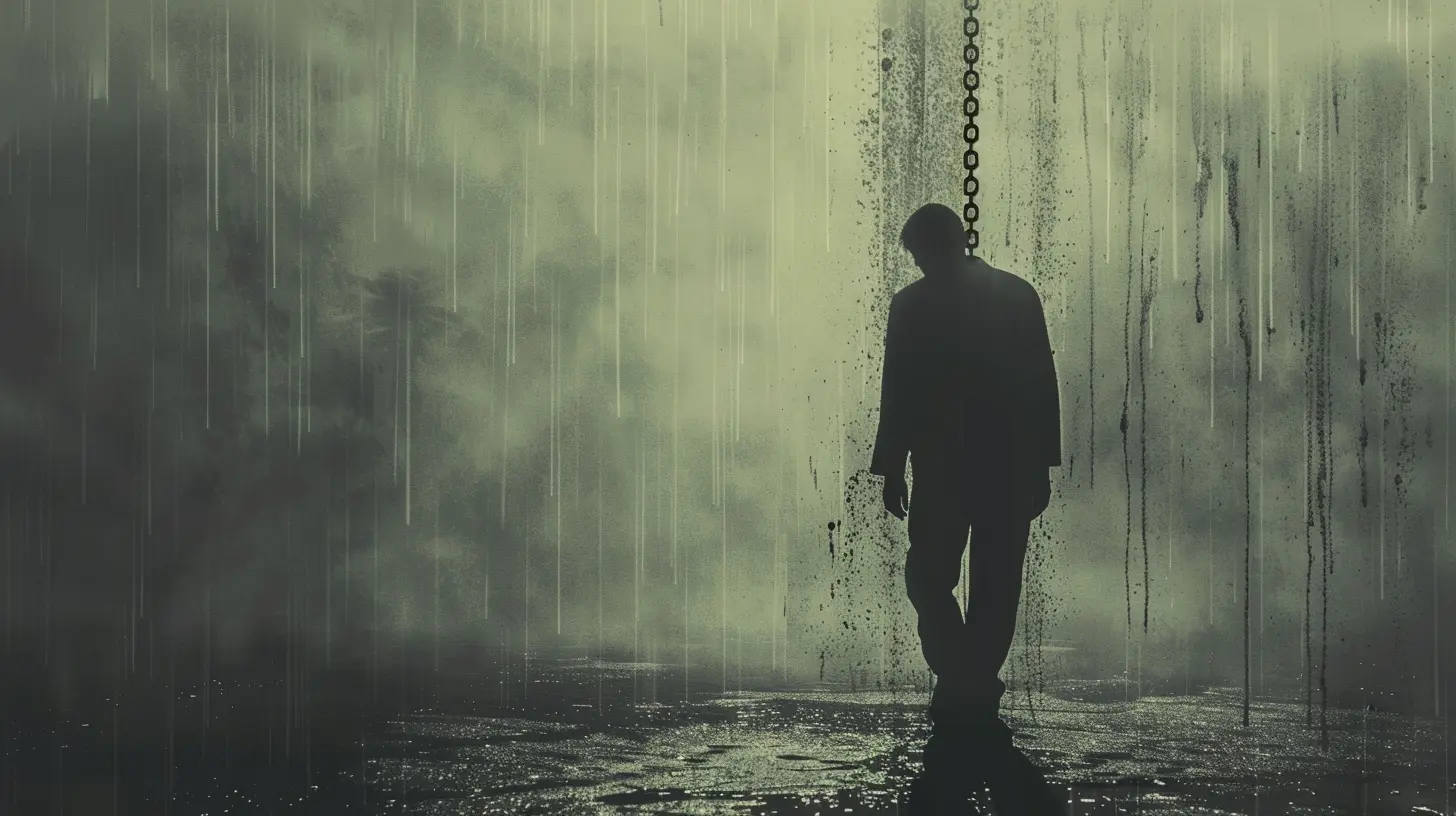
Punishment vs. Discipline: Not the Same Thing
Let’s break this myth right now: punishment and discipline are not twins — they’re not even distant cousins.- Punishment = You messed up, now suffer.
- Discipline = You messed up, let’s figure out why and how to do better.
Discipline is more about guiding behavior rather than shutting it down. It includes consistency, boundaries, consequences, and a whole lot of communication. Think of it like being a GPS — rerouting the behavior without throwing the whole car off a cliff.
So What Actually Works?
If punishment is dicey business, what does the trick when it comes to shaping long-term behavior? Glad you asked.1. Positive Reinforcement
Ah yes, the classic carrot instead of the stick. Rewarding behavior you do want to see is one of the most effective ways to encourage it. This doesn’t mean you hover around waiting to hand out cookies, but rather, you recognize and reinforce the good stuff.Praise, recognition, small rewards — they all help build habits that stick like glitter in a carpet.
2. Natural Consequences
Let reality be the teacher. Forgot your homework? You get a zero. Missed the meeting? You’re out of the loop. These consequences are way more powerful because they’re real and not personal.It shifts the focus from “you’re bad” to “actions have effects.” Much healthier.
3. Setting Clear Expectations
Unspoken rules are a trap. Whether it’s a 5-year-old or fifty-something-year-old, people need roadmaps for behavior. Be clear about what’s expected, what happens if those expectations aren’t met, and what support is available if they need help getting there.4. Emotional Coaching
Yep, emotions are a big deal. Sometimes misbehavior isn’t about defiance — it’s about not knowing how to deal with big feelings. Teach emotional regulation, communication skills, and problem-solving? You might just prevent the behavior before it starts.Funny Real-Life Examples of Punishment Gone Wrong
Just to lighten things up (and make you say, “Oh no, I’ve totally done this”), here are a few punishment fails that didn’t go quite as planned:- The Silent Treatment Showdown: After a teenager mouthed off, his parents decided to give him the silent treatment. He loved it. Called it “the best weekend ever.” Whoops.
- The Homework Ban: A well-meaning teacher decided that unfinished homework would lead to no recess. The next day, 12 kids suddenly “forgot” their homework. Turns out recess wasn't all that fun anyway.
- The “No TV” Discipline: A parent banned TV for a week. The kid discovered books. Now the parent can’t get the TV back. The ultimate irony.
How to Use Consequences Without Causing Trauma
Let’s make this practical. Using consequences isn’t bad — in fact, it’s necessary. But there’s a right way and a wrong way to go about it.Here’s your handy checklist:
✅ Stay calm. No one learns well from a yelling match.
✅ Explain the consequence in advance when possible.
✅ Be consistent. If the rule exists only on Tuesdays during full moons, it's not going to work.
✅ Separate the behavior from the person. “What you did was wrong,” not “You are bad.”
✅ Follow through, but also offer a path forward. Don’t just end the conversation — use it as a learning moment.
The Big Picture: Behavior Isn’t Built in a Day
Changing behavior is more like tending a garden than pushing a button. It takes time, patience, guidance, and — yep — sometimes a little fertilizer (a.k.a. feedback).Punishment might seem dramatic and effective in the moment, but when it comes to long-term change, it’s rarely the hero we want it to be. Look at the broader picture: what are we trying to teach? How do we want the person to grow?
Understanding the effects of punishment on long-term behavior isn’t just about preventing bad habits — it’s about nurturing healthy ones. And that, my friend, is the real power move.
Final Thoughts: Punishment Isn’t One-Size-Fits-All
Some people respond quickly to consequences. Others shut down. Some behaviors need a firm hand, others need a listening ear. Behavioral science isn’t black and white — it’s fifty shades of grey matter.So next time you're tempted to drop the hammer, pause and think, “Is this going to work long-term, or am I just venting my frustration?” You might be surprised how often a gentle approach does way more heavy lifting.
Now go forth — discipline wisely, love deeply, and remember: even the best of us once touched a hot stove twice just to make sure the first time wasn’t a fluke.
all images in this post were generated using AI tools
Category:
Behavioral PsychologyAuthor:

Jenna Richardson
Discussion
rate this article
2 comments
Courtney Lee
Punishment can alter behavior, but understanding its psychological impact is crucial for effective change.
February 11, 2026 at 3:34 AM
Jenna Richardson
Absolutely! While punishment can lead to immediate behavior changes, it's essential to consider its psychological effects to foster lasting, positive transformation.
Darby Moses
This article provides valuable insights into how punishment influences behavior over the long term. It emphasizes the importance of understanding the potential negative consequences of punitive measures, highlighting the need for more constructive approaches to behavior modification that promote positive outcomes and lasting change.
February 3, 2026 at 4:01 AM
Jenna Richardson
Thank you for your thoughtful comment! I'm glad you found the insights valuable. Understanding the long-term effects of punishment is crucial for guiding more effective behavior change strategies.