Understanding the Differences Between Depression and Grief
4 January 2026
Let’s have a real talk. At one point or another, most of us will go through difficult emotional experiences—some may leave us feeling empty, others completely devastated. But while the feelings that come with losing someone or something important can look and feel a lot like depression, they aren't the same thing.
So, how do you know whether you—or someone you care about—is dealing with grief or facing something more clinical, like depression? That’s exactly what we’re going to unpack in this article.
We’ll break down both grief and depression, talk about how they overlap, and more importantly, how they don’t. And by the end of this read, you’ll walk away with clarity, compassion, and a bit more peace of mind.
What Is Grief?
Grief is love with nowhere to go. It’s what we feel when we lose something or someone that meant the world to us. It could be the loss of a loved one, a pet, a job, a relationship, or even life as we once knew it.It’s not a sign that something’s wrong with you. Actually, it's the opposite. Grief is a completely normal reaction to loss.
Imagine your heart just got bruised. Grief is the process your heart goes through to heal that bruise. While the pain can be intense, it's also deeply human.
Common Symptoms of Grief
Grief doesn’t have one face. It can show up in a lot of different ways:- Deep sadness
- Crying spells
- Feeling numb or disconnected
- Trouble sleeping
- Loss of appetite
- Longing or yearning for what was lost
- Emotional waves that come and go
Sound familiar? Yeah, many of these symptoms overlap with depression, which is why the two are often confused.
What Is Depression?
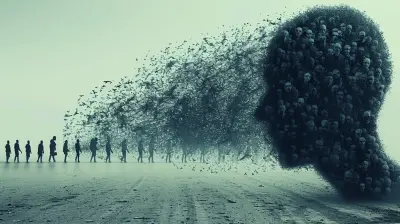
Depression goes beyond sadness. It’s more like a gray cloud that moves in and refuses to leave. And it’s not always triggered by a loss or a specific event. Sometimes, it just shows up... and stays.It’s a mental health condition that affects your mood, your thoughts, your energy, even your body. It’s not just “feeling down” or having a bad day. It's more like all your color has drained out and things that used to matter just… don't anymore.
Common Symptoms of Depression
Let’s look at some of the key signs that someone might be struggling with depression:- Persistent sadness or hopelessness
- Loss of interest in activities once enjoyed
- Fatigue or lack of energy
- Changes in sleeping or eating patterns
- Feelings of worthlessness or guilt
- Difficulty concentrating
- Thoughts of death or suicide
See how some of these symptoms overlap with grief? That’s why it can be tricky to tell the difference. But don’t worry—let’s dig deeper.
Grief vs. Depression: The Key Differences
While grief and depression can walk side-by-side, they’re not identical twins. They’ve got their own personalities, and knowing the distinctions can help you better support yourself or someone you love.1. Root Cause
- Grief: Triggered by a specific loss. Something happened. You lost someone, something ended, your world shifted.- Depression: Can stem from a variety of factors—genetics, brain chemistry, trauma, chronic stress, or it might appear "out of the blue.”
2. Emotional Flow
Here’s something important: grief is like waves—it comes and goes. One moment you’re okay, the next you’re crying over a song or a smell that brings memories flooding back. But it often allows room for joy, too.Depression, on the other hand, tends to flatten everything. It doesn’t just make you feel sad—it makes you feel nothing at all. The emotional numbness can be constant, and joy feels out of reach.
3. Self-Worth
Big difference here:- Grief: You may feel sad or lost, but your core self-worth isn’t crushed. You might even find comfort in memories and a sense of purpose in honoring what was lost.
- Depression: Guilt, shame, and feelings of worthlessness bubble to the surface. You might feel like a burden or believe the world would be better without you (if you’re feeling this way, please seek help immediately—you are NOT alone).
4. Focus of Thoughts
Grieving people tend to think about the one they lost. That’s natural. They might imagine “what could have been” or long for “one more day.”But depressed thoughts? They often turn inward. Thoughts like "I'm not good enough," "I can't do anything right," or even "I don’t want to be here anymore" are more aligned with depression than grief.
Can You Experience Both At The Same Time?
Absolutely. And guess what? It’s more common than you’d think.Imagine someone loses a loved one—of course they're grieving. But what if that loss triggers a deep spiral, they stop eating, stop functioning, stop caring? That grief might have developed into a depressive episode.
This is called complicated grief or grief-related depression. And it’s real.
So if you—or someone you know—is stuck in grief and it’s getting darker instead of lighter over time, that might be a sign that depression has crept in and it’s time to speak to a professional.
When Should You Be Concerned?
Grief has no set timeline. It’s not like a cold that goes away in a week. But if the intensity isn’t slowly softening over time, or if you’re not functioning in your daily life, that’s something to pay attention to.Here are a few red flags that might mean it’s time to reach out for help:
- You’ve lost interest in everything that once brought you joy
- You’re isolating yourself more and more
- You're feeling hopeless or empty most of the day, nearly every day
- You’re having trouble taking care of basic needs
- You’re having thoughts of harming yourself or wishing you weren’t here
Grief needs support, but depression often needs treatment. There’s no shame in that—therapy, medications, lifestyle changes—they’re all tools that can help you live a full life again.
How to Support Someone Going Through Grief or Depression
So, what do you do if someone you love is hurting? Whether they’re grieving, depressed, or both, your love and presence can make a world of difference.If They’re Grieving:
- Be present: You don’t need magic words. Just show up. Sit with them. Let them talk—or not talk.- Avoid cliches: “Everything happens for a reason” or “They’re in a better place” might sound comforting, but often they’re not.
- Check in regularly: Grief doesn't disappear after the funeral. Keep texting, calling, or sending little reminders that you care.
If They’re Depressed:
- Encourage professional help: Gently suggest talking to a counselor or mental health professional.- Be patient: Depression isn’t laziness. It’s not about “snapping out of it.” Keep showing up, even when they push you away.
- Celebrate tiny wins: Getting out of bed, taking a shower, eating a meal—these might seem small, but in the world of depression, they’re huge victories.
The Healing Process: What Does It Look Like?
There’s no one-size-fits-all path. But here’s a comforting thought: both grief and depression come with hope.With grief, you don’t “get over” the loss—you learn to carry it differently. Over time, your heart expands, and you find room to live again, laugh again, love again.
With depression, healing might involve therapy, medication, lifestyle changes, or a combination of tools. Small steps can lead to big shifts. And yes, full recovery is possible.
Final Thoughts
Whether you’re grieving, depressed, or just trying to figure out what the heck you’re feeling… you’re not broken.You’re human.
Life throws curveballs. It brings losses that don’t make sense. And sometimes it zaps the color out of everything. But the beautiful truth is—you’re not alone in this.
Talking helps. Support helps. Time helps. And healing? It’s not linear, but it’s real. If you’re struggling, please reach out. There are people ready to walk with you through it.
Love feels like the deepest pain in loss—but it also holds the power to help us rise again.
all images in this post were generated using AI tools
Category:
DepressionAuthor:

Jenna Richardson
Discussion
rate this article
2 comments
Eliana Vance
Great insights! Understanding the nuances between depression and grief can be a game-changer. Remember, it's okay to seek support—you're not alone on this journey! 🌟
February 3, 2026 at 5:07 PM
Jenna Richardson
Thank you! I'm glad you found the insights helpful. Seeking support is indeed vital for navigating these complex emotions. 🌼
Colt Yates
Thank you for this insightful article. It's important to recognize the distinctions between depression and grief, as each requires different approaches for healing. I appreciate how you highlighted these nuances, fostering a deeper understanding for those navigating these challenging emotions.
January 7, 2026 at 5:33 PM
Jenna Richardson
Thank you for your thoughtful comment! I’m glad you found the distinctions helpful for understanding these complex emotions.