Social Anxiety in Children: Early Warning Signs and Interventions
1 December 2025
We all know that childhood is a time of exploration, fun, and learning, but what happens when a child is gripped by an overwhelming fear of social situations? Social anxiety in children is more common than we might think, and it can manifest in subtle ways. Left unaddressed, it can impact their emotional well-being and social development.
In this article, we’ll dive deep into the early warning signs of social anxiety in children and explore practical interventions that parents, teachers, and caregivers can use to help these kids thrive.
What is Social Anxiety?
Let’s break it down: social anxiety is more than just shyness. It’s a persistent fear of social situations where the child believes they might be judged, embarrassed, or humiliated. While it’s perfectly normal for children to feel a little nervous in new environments or around unfamiliar people, social anxiety goes beyond that. It can significantly interfere with their daily life, making it tough for them to participate in classroom activities, make friends, or even speak up in front of others.Is Social Anxiety the Same as Shyness?
Not exactly. Shyness is a personality trait, and many kids who are shy can still engage in social activities, even if they’re a bit hesitant at first. Social anxiety, on the other hand, is a mental health condition. Kids with social anxiety often experience intense fear or dread in social situations, and this fear doesn’t go away even after they’ve been in the same environment multiple times.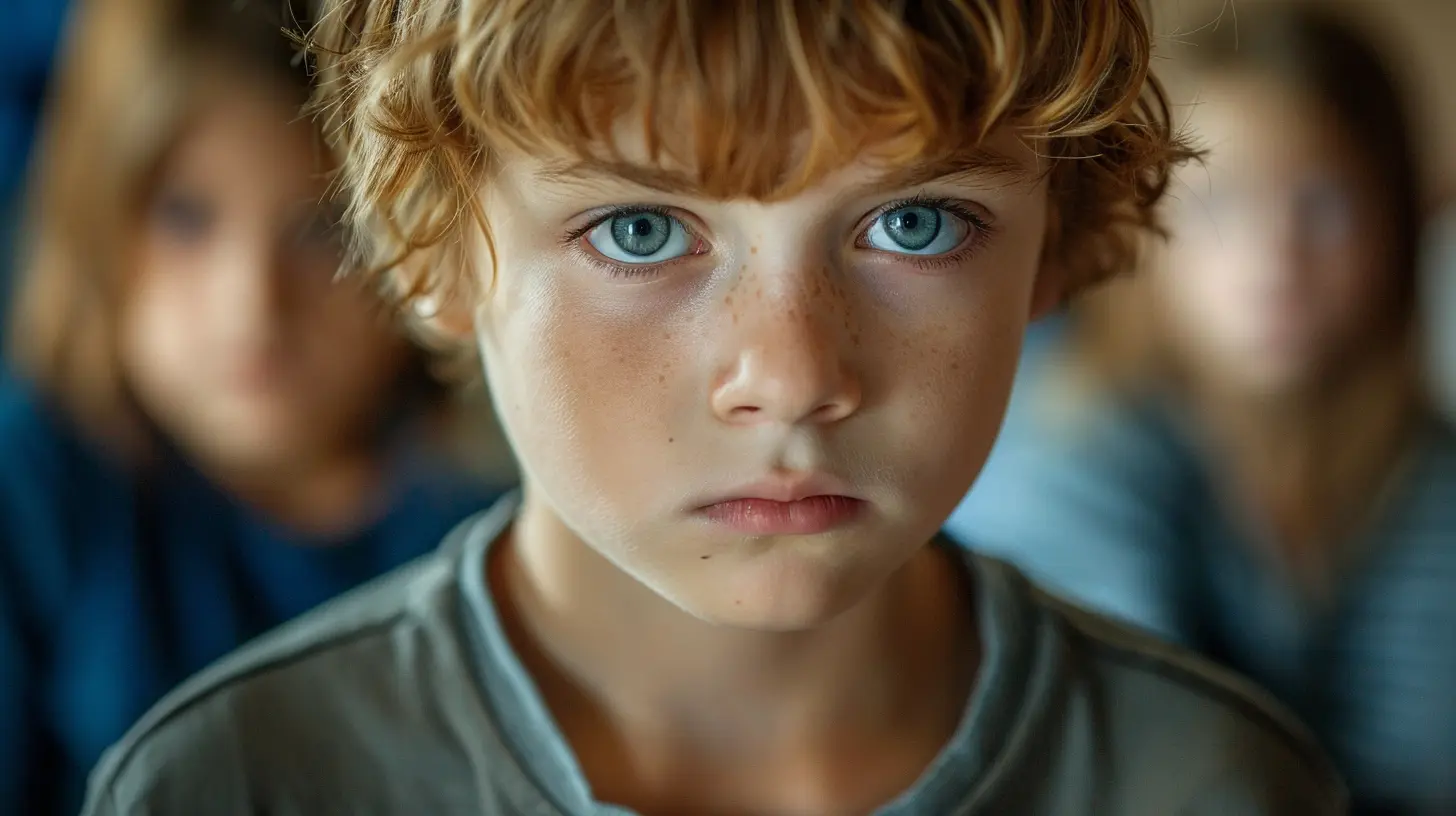
Early Warning Signs of Social Anxiety in Children
Spotting the signs of social anxiety early can make a world of difference. The sooner it’s identified, the sooner you can start addressing it. So, what should you be on the lookout for?1. Avoidance of Social Situations
One of the clearest signs of social anxiety in children is the avoidance of social situations. Does your child avoid birthday parties, playdates, or other gatherings where they’ll need to interact with peers? Do they become anxious at the thought of speaking in front of their classmates or answering a question in class? If they’re consistently dodging social events, it could be a red flag.2. Physical Symptoms of Anxiety
Children may not always be able to articulate their fears, but their bodies often tell the story. Social anxiety can trigger physical symptoms such as:- Stomach aches
- Headaches
- Nausea
- Sweating
- Trembling or shaking
- Shortness of breath
If your child frequently complains of these symptoms, especially before or during social interactions, it might be more than just a coincidence.
3. Excessive Worry About Being Judged
Does your child constantly worry about what others think of them? Do they fear being embarrassed, criticized, or judged—even in situations where this is unlikely? Kids with social anxiety often have an exaggerated sense of how much others are focusing on them, and they may believe that everyone is waiting for them to mess up.4. Difficulty Making Eye Contact
Another common sign is avoiding eye contact. While some kids are naturally a bit shy and may not always look people in the eye, children with social anxiety might go out of their way to avoid eye contact entirely. They might stare at the floor, look away when spoken to, or even turn their back on a group of people.5. Reluctance to Participate in Group Activities
Whether it’s in school, at a sports event, or during a family gathering, kids with social anxiety often shy away from group activities. They may sit on the sidelines, avoid participating in team sports, or hang back during group discussions. This reluctance isn’t because they don’t want to join in—it’s because their anxiety makes it feel too overwhelming.6. Fear of Public Speaking or Performing
Public speaking is a common fear for many people, but for children with social anxiety, even raising their hand in class can feel like a daunting task. They might avoid answering questions, reading aloud, or participating in any activity that requires them to speak or perform in front of others.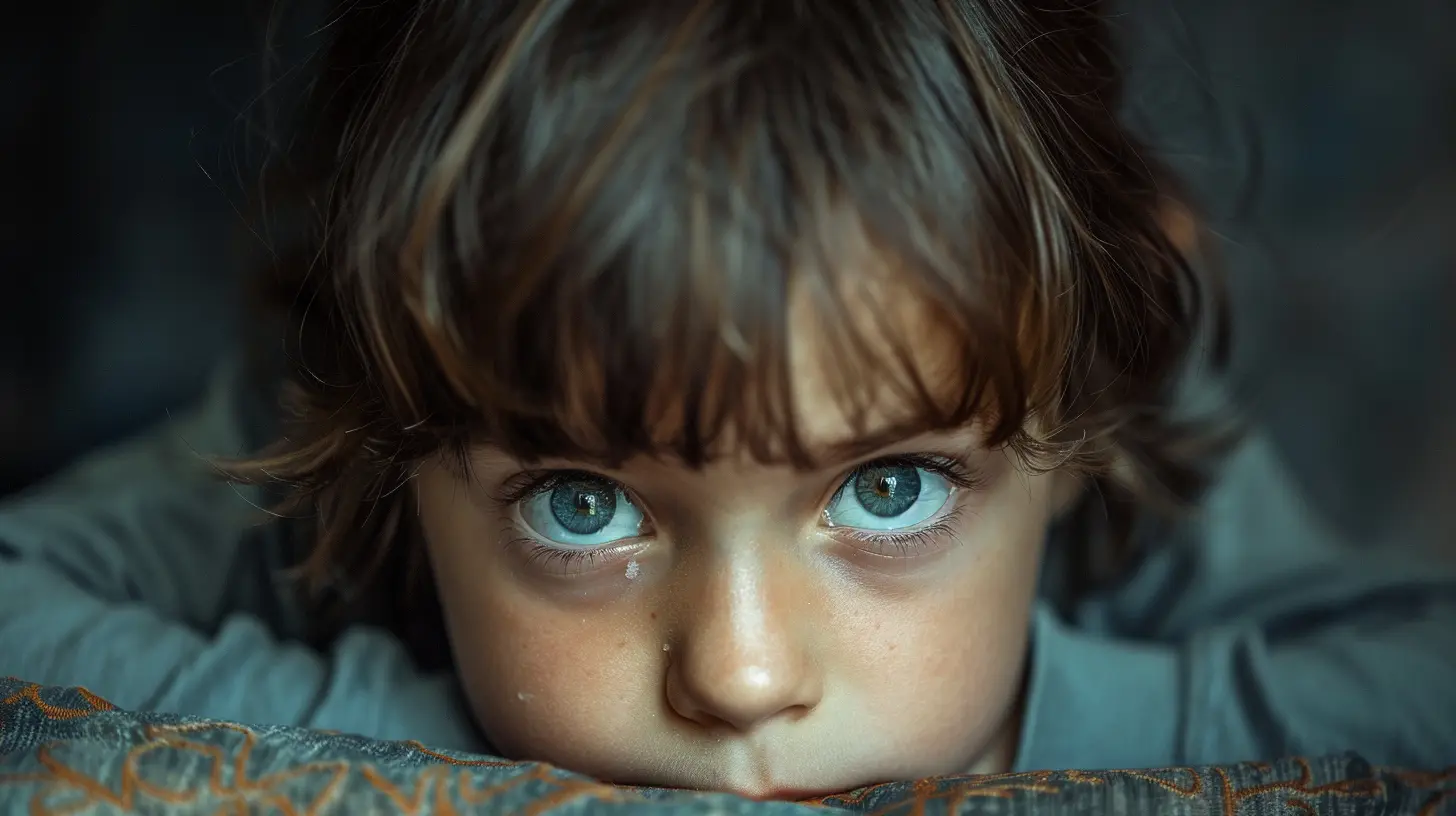
Interventions for Social Anxiety in Children
The good news? Social anxiety in children is treatable, and with the right interventions, kids can learn to manage their fears and build confidence in social situations. Here’s how you can help:1. Encourage Gradual Exposure to Social Situations
One of the most effective strategies for managing social anxiety is gradual exposure. This means slowly introducing your child to social situations in a controlled and supportive environment. Start small—maybe with a one-on-one playdate or a family gathering—and gradually work up to larger groups.Think of it like learning to swim. You wouldn’t throw your child into the deep end right away, right? Instead, you’d probably start in the shallow end, letting them get used to the water before gradually moving to deeper areas. Gradual exposure works the same way for social anxiety.
2. Teach Relaxation Techniques
When anxiety strikes, it can feel like a tidal wave of emotions. Teaching your child relaxation techniques can help them regain control. Deep breathing exercises, progressive muscle relaxation, and mindfulness activities can all help to calm their nervous system and reduce the physical symptoms of anxiety.You might say something like, “When you feel nervous, try taking a deep breath in, hold it for a few seconds, and then slowly breathe out. Imagine you’re blowing out a candle.”
3. Cognitive Behavioral Therapy (CBT)
Cognitive Behavioral Therapy (CBT) is a highly effective treatment for social anxiety in children. It helps kids identify negative thoughts and beliefs about social situations and challenges them with more realistic, balanced perspectives. A trained therapist can guide your child through exercises that build confidence and reduce anxiety over time.CBT can be thought of as a mental workout—it strengthens the brain’s ability to manage and navigate difficult situations.
4. Positive Reinforcement
When your child faces a social situation that makes them anxious, and they successfully manage it (even if it’s just a small step), reward them with positive reinforcement. Tell them how proud you are of their effort, give them a high-five, or offer a small reward. Positive reinforcement can boost their confidence and encourage them to keep facing their fears.5. Model Social Interactions
Children often learn by watching the adults around them. If you demonstrate confidence in social situations, your child is more likely to mimic your behavior. Try to engage in positive, healthy social interactions in front of your child, and explain how you handle nervousness or discomfort when it arises.For example, you might say, “I felt a little nervous at that work meeting today, but I took a deep breath and reminded myself that it’s okay to feel that way. I focused on what I wanted to say, and it turned out great!”
6. Create a Safe and Supportive Environment
It’s essential to create an environment where your child feels safe and supported. Encourage open communication about their feelings and validate their emotions. Instead of saying, “There’s nothing to be scared of,” try saying, “I understand that this feels scary for you, but I’m here to help, and we can work through this together.”Letting your child know that it’s okay to feel anxious—and that you’re there to support them—can make a huge difference in their ability to cope.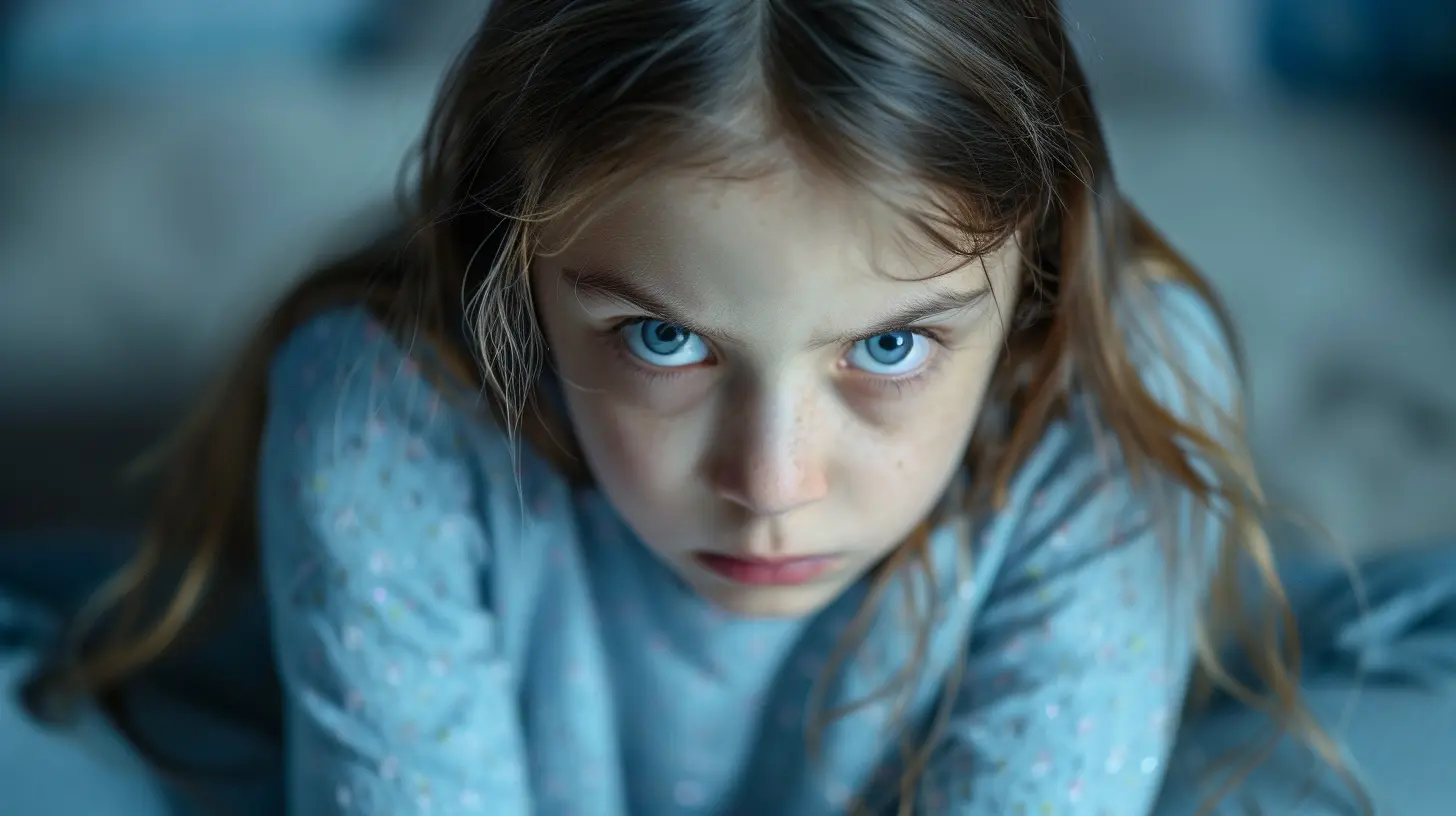
When to Seek Professional Help
While many children with social anxiety can benefit from the interventions above, some may need additional support. If your child’s anxiety is significantly impacting their ability to function—whether at school, at home, or in social settings—it might be time to seek help from a mental health professional.A therapist or counselor specializing in childhood anxiety can provide tailored interventions and support. In some cases, medication may be recommended as part of a comprehensive treatment plan.
The Importance of Early Intervention
The earlier social anxiety is identified and addressed, the better the outcome for the child. Kids who struggle with untreated social anxiety may face long-term challenges, including difficulties with academics, friendships, and self-esteem. But with the right support, they can learn to manage their anxiety and gain the confidence to navigate social situations successfully.Conclusion
Social anxiety in children is more common than many people realize, but with early identification and the right interventions, it’s entirely manageable. By recognizing the warning signs and providing supportive interventions, we can help our children build the skills and confidence they need to thrive in social settings.Remember, every child is unique. Be patient, stay supportive, and celebrate every small step they take toward overcoming their fears. Social anxiety may feel like a mountain now, but with the right approach, your child can learn to conquer it—one step at a time.
all images in this post were generated using AI tools
Category:
Social AnxietyAuthor:

Jenna Richardson
Discussion
rate this article
1 comments
Nixie Rhodes
This article offers valuable insights on recognizing early signs of social anxiety in children and effective intervention strategies. Well done!
December 2, 2025 at 4:57 PM
Jenna Richardson
Thank you for your kind words! I'm glad you found the insights valuable.