The Role of Mindfulness in Overcoming Anxiety
11 November 2026
Anxiety is a common experience that can range from mild unease to debilitating panic. Many individuals find themselves trapped in cycles of worry and fear, which can impact their daily lives. Mindfulness has emerged as a powerful tool for managing anxiety, offering practical techniques to ground individuals in the present moment, reduce stress, and foster emotional resilience. This article delves into the nuanced relationship between mindfulness and anxiety, providing insights, practical advice, and real-world applications.

Understanding Anxiety
Before delving into mindfulness, it is essential to grasp the nature of anxiety itself. Anxiety is not just feeling nervous or worried; it is a complex emotional state characterized by feelings of apprehension, tension, and fear. It can manifest in various forms, including generalized anxiety disorder, panic disorder, social anxiety, and specific phobias. Recognizing the subtleties of anxiety can help individuals approach their feelings with compassion rather than judgment.Types of Anxiety Disorders
1. Generalized Anxiety Disorder (GAD): Persistent and excessive worry about various aspects of life, such as health, work, and social interactions.2. Panic Disorder: Recurrent panic attacks that lead to significant worry about experiencing more attacks.
3. Social Anxiety Disorder: Intense fear of social situations and being judged by others.
4. Specific Phobias: Irrational fears of specific objects or situations, leading to avoidance behaviors.
The Impact of Anxiety
Anxiety can disrupt daily functioning, leading to physical symptoms like increased heart rate, sweating, and fatigue, as well as cognitive challenges such as difficulty concentrating and decision-making. This creates a cycle where anxiety breeds more anxiety, often leading individuals to seek out coping mechanisms that may not be healthy or effective. Here lies the potential for mindfulness as a transformative practice.
What is Mindfulness?
Mindfulness is the practice of bringing one's attention to the present moment without judgment. It encourages individuals to observe their thoughts, feelings, and bodily sensations as they arise, fostering a sense of awareness and acceptance. This practice can be cultivated through meditation, breathing exercises, and mindful engagement in everyday activities.Key Principles of Mindfulness
1. Awareness: Being conscious of the present moment, including thoughts, feelings, and sensations.2. Acceptance: Allowing experiences to unfold without trying to change or judge them.
3. Non-attachment: Observing thoughts and feelings without becoming overly involved or reactive.

The Science Behind Mindfulness and Anxiety
Research suggests that mindfulness can significantly reduce anxiety levels. A study published in the journal JAMA Internal Medicine found that mindfulness meditation programs can improve anxiety, depression, and pain, highlighting the effectiveness of these practices.How Mindfulness Affects the Brain
Mindfulness practices can lead to structural changes in the brain. Studies using neuroimaging techniques have shown that regular mindfulness meditation can increase the size of the prefrontal cortex, which is associated with emotional regulation and decision-making. mindfulness can decrease activity in the amygdala, the brain's fear center, leading to reduced anxiety responses.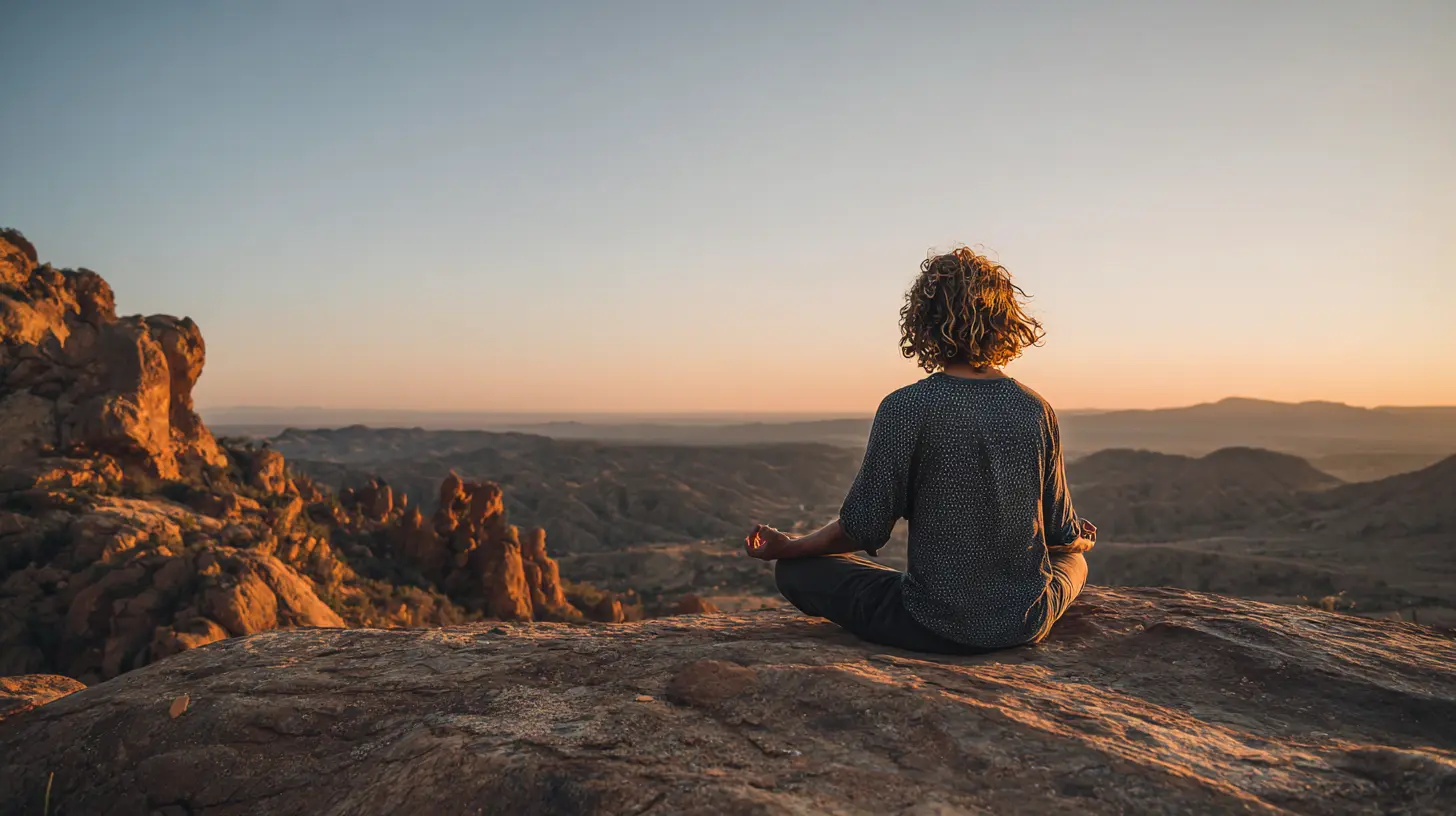
Practical Mindfulness Techniques for Anxiety Management
Incorporating mindfulness into daily life doesn't require hours of meditation. Here are some practical techniques to get started:1. Mindful Breathing
How to Do It: Sit or stand comfortably and focus on your breath. Inhale deeply through your nose, allowing your belly to rise, and exhale slowly through your mouth. If your mind wanders, gently bring your attention back to your breath.Why It Works: Mindful breathing activates the body's relaxation response, helping to reduce the physiological symptoms of anxiety. It creates a moment of pause, allowing individuals to detach from racing thoughts.
2. Body Scan Meditation
How to Do It: Lie down comfortably and close your eyes. Starting from your toes, gradually bring your attention to each part of your body, noting any sensations without judgment. Move up to your head, taking your time to fully engage with each area.Why It Works: This practice helps to cultivate awareness of bodily sensations, promoting relaxation and grounding oneself in the present. It can also reveal areas of tension that may be linked to anxiety.
3. Mindful Eating
How to Do It: During a meal, focus on the experience of eating. Notice the colors, textures, and flavors of each bite. Chew slowly and savor the food, paying attention to the act of nourishment.Why It Works: Mindful eating fosters a deeper connection with the body and can reduce feelings of anxiety related to food and body image. It allows individuals to appreciate the present rather than rushing through meals.
4. Walking Meditation
How to Do It: Find a quiet place to walk slowly. Focus on each step, feeling the ground beneath your feet and the sensations in your legs. If your mind drifts, gently return your focus to the act of walking.Why It Works: This practice combines movement with mindfulness, promoting physical awareness and reducing anxiety through rhythmic action. It can be especially helpful for individuals who find sitting still challenging.
Real-World Applications of Mindfulness
Incorporating mindfulness into daily life can yield powerful benefits. Here are some scenarios where mindfulness can be especially effective in managing anxiety:Daily Stressors
Whether it's a hectic work environment or family responsibilities, daily stressors can trigger anxiety. Practicing mindfulness during these moments can help individuals pause, reframe their thoughts, and respond more calmly. For instance, taking a few mindful breaths before entering a stressful meeting can create a sense of calm.Anticipating Challenges
Before facing a daunting task, such as public speaking or an important interview, mindfulness can provide a mental reset. Engaging in a brief mindfulness exercise can reduce pre-event jitters, allowing individuals to approach the situation with clarity and confidence.Navigating Social Situations
For those with social anxiety, mindfulness can serve as a grounding technique. Practicing mindfulness before social events can help individuals regulate their emotions and stay present, reducing the tendency to ruminate on past mistakes or future worries.
Common Misconceptions About Mindfulness
Even with its growing popularity, misunderstandings about mindfulness persist. Here are some common misconceptions:It Requires Hours of Practice
Many believe that mindfulness requires extensive time commitments. In reality, even a few minutes of focused practice each day can yield significant benefits. The key is consistency rather than duration.Mindfulness is a Cure-All
While mindfulness is a powerful tool, it is not a panacea for all anxiety-related issues. It works best as part of a broader approach that may include therapy, medication, and lifestyle changes. Understanding this can help individuals set realistic expectations.Mindfulness is Only for Meditation Enthusiasts
Mindfulness can be integrated into any activity. Whether it's washing dishes or commuting, bringing awareness to everyday tasks can enhance well-being and reduce anxiety.Best Practices for Starting Your Mindfulness Journey
1. Start Small: Begin with just a few minutes of mindfulness each day and gradually increase the duration as you become more comfortable.2. Be Consistent: Try to practice mindfulness at the same time each day to establish a routine.
3. Create a Mindful Space: Find a quiet, comfortable spot where you can practice without distractions.
4. Use Guided Resources: Consider using apps or videos that guide you through mindfulness practices, especially if you are new to the concept.
The Limitations of Mindfulness
While mindfulness can provide significant benefits, it is essential to recognize its limitations. Some individuals may struggle to connect with mindfulness practices or find them frustrating. For those with severe anxiety or trauma, mindfulness alone may insufficiently address underlying issues. In such cases, professional support from a therapist specializing in anxiety management is crucial.Conclusion: A Path Towards Empowerment
Mindfulness offers a pathway to greater emotional regulation and resilience in the face of anxiety. By cultivating awareness, acceptance, and non-attachment, individuals can learn to navigate their feelings with greater ease and clarity. It is not just about reducing anxiety; it is about empowering oneself to live more fully in the present moment.As with any practice, the journey of mindfulness requires patience and persistence. Yet, the potential for transformation lies within each moment of awareness. By embracing mindfulness, individuals can cultivate a deeper sense of peace and an enhanced ability to manage anxiety.
all images in this post were generated using AI tools
Category:
Mindfulness PracticesAuthor:

Jenna Richardson