The Importance of Emotional Intelligence for Mental Wellness
15 December 2025
Introduction
Ever had one of those days where everything seemed to be going wrong, and yet, someone around you—maybe a friend or coworker—handled it all with an almost magical sense of calm? That’s probably emotional intelligence (EI) at work. It’s not just some buzzword; it plays a crucial role in how we navigate life, handle stress, and maintain mental wellness.
In today's fast-paced world, emotions can feel like a rollercoaster ride. If we don’t know how to understand, manage, and regulate them, life can become overwhelming. But here's the good news—emotional intelligence is something we can develop over time, leading to better mental health, improved relationships, and a greater sense of well-being.
So, what exactly is emotional intelligence, and why does it matter so much for our mental wellness? Let’s dive in. 
What Is Emotional Intelligence?
At its core, emotional intelligence is the ability to understand, manage, and regulate both your own emotions and the emotions of those around you. Psychologist Daniel Goleman broke it down into five key components:1. Self-awareness – Understanding your emotions and how they affect your thoughts and behavior.
2. Self-regulation – The ability to control impulsive reactions and adapt to changing circumstances.
3. Motivation – Harnessing emotions to stay focused on personal and professional goals.
4. Empathy – Recognizing and understanding the emotions of others.
5. Social skills – Managing relationships effectively, communicating well, and resolving conflicts.
Think of EI as the emotional "operating system" that helps us navigate life's ups and downs with resilience and clarity. 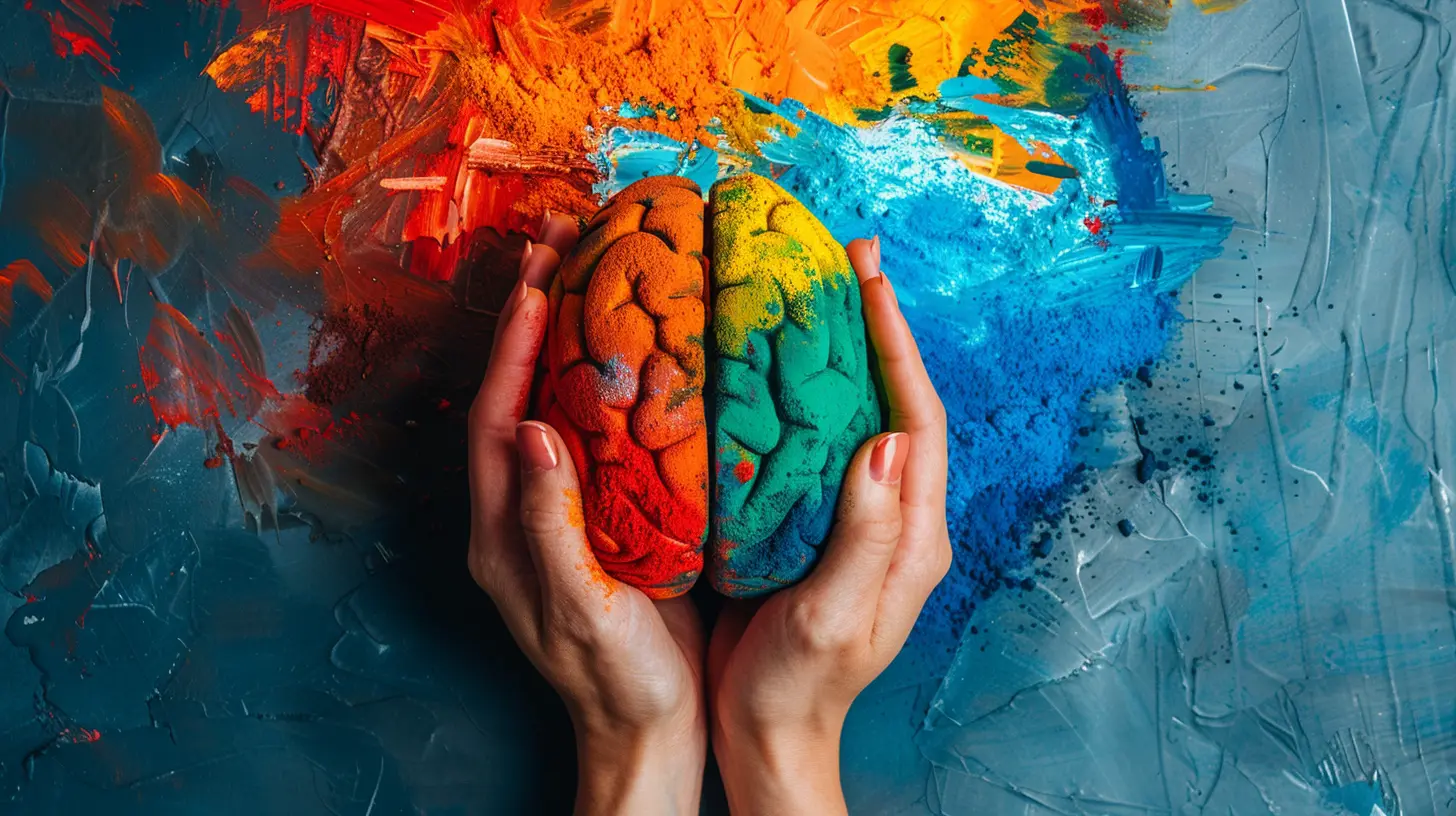
Why Emotional Intelligence Matters for Mental Wellness
1. Better Stress Management
Stress isn’t just an occasional inconvenience; it’s a silent killer of mental health. When emotions run high, and we don't have the tools to process them effectively, stress can spiral out of control, leading to anxiety, depression, and even physical health issues.People with high emotional intelligence recognize stress triggers quickly and know how to manage them—whether it’s taking a deep breath, stepping away from a heated situation, or engaging in a calming activity like journaling or meditation.
2. Improved Self-Awareness and Self-Compassion
Self-awareness is like having an internal GPS guiding you through life. Without it, you're driving blind, reacting to situations based purely on emotion rather than conscious choice. Emotional intelligence helps you become more aware of your thought patterns and reactions, giving you the power to course-correct when necessary.Better self-awareness also fosters self-compassion. Instead of beating yourself up over mistakes, you learn to be kinder to yourself. And let's be real—self-kindness is a game-changer for mental wellness.
3. Stronger Relationships and Social Connections
Ever noticed how some people can diffuse a tense situation with just the right words? That’s emotional intelligence in action. Empathy, a key component of EI, allows you to step into someone else’s shoes, strengthening relationships and fostering deeper social connections.Human beings thrive on meaningful connections. When you can navigate emotional conversations without defensiveness or misinterpretation, relationships become healthier, reducing feelings of loneliness and isolation—two major risk factors for mental health struggles.
4. Better Decision-Making
We all make decisions—big and small—daily. But when emotions cloud our judgment, we risk making choices we later regret. Emotional intelligence helps you separate impulsive emotions from rational thinking.High-EI individuals acknowledge emotions without letting them take the steering wheel. They pause, process, and then act—that’s a superpower when it comes to mental wellness!
5. Higher Resilience Against Anxiety and Depression
Anxiety and depression often stem from feeling overwhelmed, misunderstood, or unable to control life's circumstances. Emotional intelligence strengthens resilience—the ability to bounce back from adversity.When you can understand and manage emotions effectively, you’re less likely to be consumed by negative thought spirals. Instead of drowning in self-doubt or sadness, you learn coping mechanisms that help you move forward with hope and strength. 
How to Develop Emotional Intelligence for Better Mental Wellness
The best part? Emotional intelligence isn’t something you’re born with; it’s a skill you can develop. Here are some ways to strengthen your EI and, in turn, boost your mental wellness:1. Practice Self-Reflection
Take a few minutes each day to check in with yourself. What emotions are you feeling? Why? Keeping a journal can be a powerful tool for recognizing emotional patterns and triggers.2. Improve Emotional Vocabulary
Instead of saying "I feel bad," get specific. Are you frustrated? Anxious? Disappointed? The more accurately you can label your emotions, the better you can address them.3. Pause Before Reacting
Strong emotions can make us say or do things we later regret. Before reacting to a stressful situation, practice pausing. Take deep breaths, count to ten, or walk away for a moment. This simple act can prevent knee-jerk reactions and help you respond more mindfully.4. Practice Empathy
Try to understand where others are coming from. This doesn’t mean you have to agree, but it helps create emotional space for better communication and connection.5. Manage Negative Self-Talk
The way you talk to yourself matters. If your internal voice is harsh and critical, it’s time to switch the script. Reframe negative thoughts into more constructive, compassionate ones.6. Engage in Mindfulness and Meditation
Mindfulness helps us stay present and aware of our emotions without spiraling into overthinking. Simple breathing exercises or guided meditations can work wonders for emotional regulation.7. Seek Support When Needed
Developing emotional intelligence doesn’t mean you have to handle everything alone. Talking to a trusted friend, mentor, or therapist can provide valuable perspectives and guidance. Remember, seeking support is a sign of strength, not weakness.
Final Thoughts
Emotional intelligence isn’t just about controlling emotions—it’s about understanding them, using them wisely, and improving your overall mental wellness. It’s the bridge between emotional chaos and emotional clarity, helping you navigate life’s challenges with resilience and inner peace.The good news? You can start building your EI today. With practice, patience, and self-awareness, you’ll find yourself managing stress more effectively, forming deeper relationships, and making choices that align with your well-being.
So, next time life throws a curveball, ask yourself—how can I respond with emotional intelligence? The answer just might change everything.
all images in this post were generated using AI tools
Category:
Mental Health EducationAuthor:

Jenna Richardson
Discussion
rate this article
2 comments
Tilly Porter
This article succinctly highlights the critical role of emotional intelligence in promoting mental wellness. By understanding and managing emotions, individuals can enhance their relationships and overall well-being. A valuable reminder of the interconnectedness of emotional health and mental stability!
December 17, 2025 at 4:23 AM
Jenna Richardson
Thank you for your insightful comment! I'm glad you found the article highlights the essential link between emotional intelligence and mental wellness.
Kristen Middleton
Emotional intelligence is crucial for mental wellness. It enhances self-awareness and interpersonal skills, helping us manage stress, navigate relationships, and improve overall emotional health. Developing these skills can lead to a more fulfilling life.
December 16, 2025 at 4:06 PM
Jenna Richardson
Thank you for your insightful comment! I completely agree—emotional intelligence plays a vital role in fostering mental wellness and enriching our relationships.