The Role of Genetics in Bipolar Disorder
9 April 2026
Bipolar disorder is like a tempest roaring through the mind—calm one moment, wild the next. It sweeps through lives like an unpredictable storm, leaving behind confusion, pain, and the search for answers. But what if I told you that buried deep in our DNA might be the key to understanding this emotional storm?
Genetics plays a crucial role in bipolar disorder, shaping not only susceptibility but also how the condition manifests. While external triggers like stress and trauma can fan the flames, the spark often lies in our very biology. So, let’s unravel the mystery and see what science has to say about the genetic blueprint of bipolar disorder.

What Is Bipolar Disorder?
Before we dive into genetics, let's get a clear picture of what bipolar disorder actually is. Also known as manic-depressive illness, bipolar disorder is a mental health condition characterized by extreme mood swings—periods of euphoric highs (mania or hypomania) followed by devastating lows (depression).These mood shifts aren’t just simple mood changes; they can disrupt relationships, careers, and everyday life. Imagine feeling like you can conquer the world one moment, only to be trapped in a sea of despair the next. It’s more than just emotions—it’s a battle within the brain itself.
The Different Faces of Bipolar Disorder
Bipolar disorder isn’t a one-size-fits-all condition. There are different types, each with its own unique challenges:- Bipolar I Disorder: Marked by full-blown manic episodes that may require hospitalization, followed by major depressive episodes.
- Bipolar II Disorder: Involves less intense manic episodes (hypomania) and severe depressive episodes.
- Cyclothymic Disorder: A milder but persistent form of bipolar disorder, with numerous periods of hypomanic and depressive symptoms that don't meet full criteria for a major episode.
Each form has its own rhythm, like different melodies in a chaotic symphony. But what determines who will play this symphony? That’s where genetics steps in.
The Genetic Connection: Inheritance and Risk
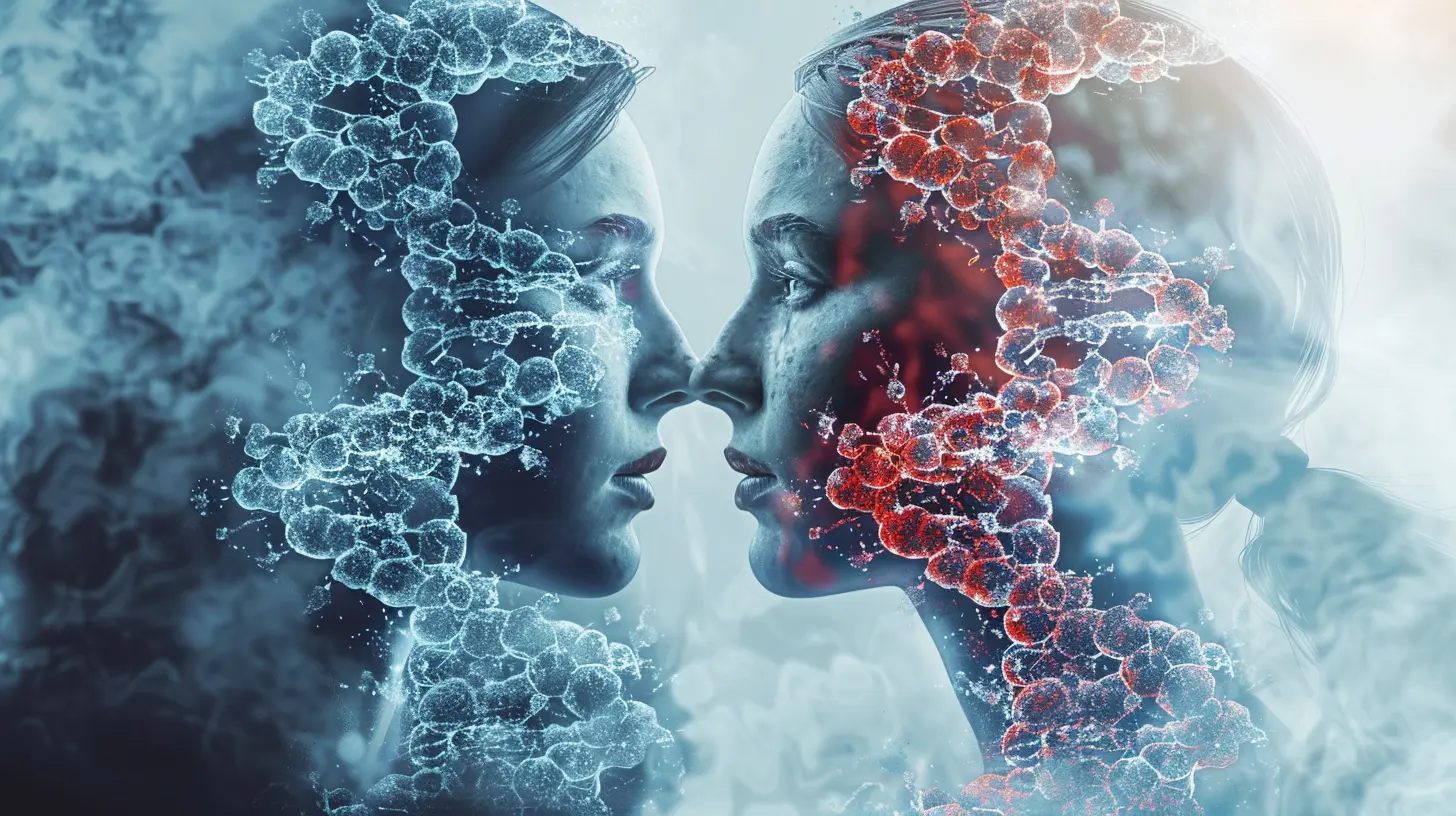
Has anyone in your family ever struggled with bipolar disorder? If so, there’s a reason why you might be wondering if it runs in your blood. Scientists have long known that bipolar disorder has a strong genetic component, but just how much of a role does heredity play?Research suggests that bipolar disorder is highly heritable—meaning it tends to run in families. Studies indicate that individuals with a first-degree relative (a parent or sibling) who has bipolar disorder are up to 10 times more likely to develop the condition themselves.
But it’s not as simple as inheriting a single “bipolar gene.” Instead, multiple genes contribute, each adding a small piece to the puzzle. Think of it like a constellation—each star (gene) alone might not mean much, but together, they shape a recognizable pattern.
Twin Studies: The Genetic Proof
One of the most compelling pieces of evidence for the genetic basis of bipolar disorder comes from twin studies.- Identical twins share 100% of their DNA, while fraternal twins share about 50%, similar to regular siblings.
- If one identical twin has bipolar disorder, the other has about a 40–70% chance of developing it.
- In fraternal twins, the risk drops to 5–10%—still higher than the general population but significantly lower than identical twins.
Clearly, genetics plays a massive role, but since identical twins don’t always both develop the disorder, this tells us something else: genes alone aren’t the only factor. Environmental influences, life experiences, and even random biological changes can all determine whether those genetic tendencies come to life.
The Hunt for Bipolar Disorder Genes
So, which genes are responsible for bipolar disorder? Scientists have been digging deep into human DNA to find the answers.The Role of Specific Genes
Although no single “bipolar gene” exists, researchers have identified several genetic variations linked to the disorder:- ANK3 & CACNA1C: These genes are involved in regulating how neurons communicate. Dysfunction in these areas may lead to instability in mood regulation.
- BDNF (Brain-Derived Neurotrophic Factor): This gene affects nerve growth and plasticity, which are crucial for brain function.
- CLOCK Gene: Responsible for regulating circadian rhythms (our internal body clock), which is often disrupted in bipolar individuals.
It’s like a game of Jenga—remove or alter one key piece, and the entire structure becomes unstable. In bipolar disorder, these genetic “pieces” influence brain chemistry, making emotional regulation more challenging.
Nature vs. Nurture: The Perfect Storm
If genetics load the gun, environment pulls the trigger. Your genetic makeup might make you vulnerable, but your life experiences determine whether bipolar disorder actually emerges.Environmental Triggers That Activate Genetic Risk
- Stress & Trauma: Childhood trauma, major life changes, or even chronic stress can spark the onset of bipolar symptoms in those with a genetic predisposition.- Sleep Disruptions: Since genes like CLOCK regulate sleep patterns, disruptions in sleep cycles can exacerbate symptoms.
- Substance Abuse: Drugs and alcohol can worsen bipolar symptoms and even trigger episodes in genetically susceptible individuals.
These triggers can act as a catalyst, turning a dormant genetic predisposition into an active disorder. It’s like having a cracked dam—if the pressure builds too much, the floodgates open.
Can Bipolar Disorder Be Prevented If It’s Genetic?
Here’s the million-dollar question: If bipolar disorder runs in your family, can you do anything to prevent it? While you can’t change your DNA, you can manage and minimize risks.Ways to Reduce Your Risk:
- Prioritize Mental Health: Therapy, mindfulness, and stress-management techniques can help prevent symptoms from escalating.- Maintain a Healthy Sleep Schedule: Since circadian rhythms are linked to bipolar disorder, keeping a consistent sleep pattern is crucial.
- Avoid Drugs & Alcohol: These substances can trigger manic or depressive episodes, especially in those with a genetic risk.
- Build a Strong Support System: Having friends, family, or a therapist to lean on can make a world of difference.
While you can’t rewrite your genetic script, you can learn to navigate it. Think of it like sailing—while you can’t control the wind, you can adjust your sails.
Final Thoughts
Bipolar disorder is a complex interplay between genetics and environment, a dance between nature and nurture. While our DNA may set the stage, it's the experiences we encounter that determine the performance.Understanding the genetic foundations of bipolar disorder isn’t just about science—it’s about hope. Hope that with the right treatment, support, and awareness, those affected can live fulfilling, balanced lives.
So, if you or someone you love is navigating this storm, know this: You are not alone. Genetic predisposition does not mean predestination. With the right tools, the waves can be tamed, and the storm can be weathered.
all images in this post were generated using AI tools
Category:
Bipolar DisorderAuthor:

Jenna Richardson
Discussion
rate this article
2 comments
Solstice Cannon
What hidden genes shape our minds? Discover the secrets behind bipolar disorder's origins.
July 11, 2026 at 3:52 AM
Jenna Richardson
Genetics play a crucial role in bipolar disorder, influencing mood regulation and susceptibility. Ongoing research is uncovering how specific genes interact with environmental factors to shape mental health. Understanding these connections could lead to better treatments and support for those affected.
Buzz Pratt
Genetics play a crucial role in bipolar disorder, emphasizing the need for personalized treatment approaches in mental health care.
April 9, 2026 at 4:29 AM
Jenna Richardson
Thanks for your insight! Genetics indeed shape our understanding of bipolar disorder, highlighting the importance of tailored treatment plans.