How Childhood Experiences Shape Adult Mental Health
4 December 2025
Childhood is like wet cement—whatever falls on it leaves an impression. From the warm embrace of a loving parent to the sting of a harsh word, the experiences we gather as children shape who we become as adults. But have you ever wondered how much of your personality, habits, and mental state are influenced by those early years?
Well, grab a cup of coffee, get cozy, and let’s take a deep dive into how childhood experiences can shape adult mental health in ways you may not even realize. 
The Power of Early Experiences
The brain is like an artist’s canvas in childhood—it absorbs every brushstroke, every color, and every splatter of paint. From infancy to adolescence, our environment, relationships, and the way we’re treated by caregivers create the blueprint for our emotional and psychological well-being.Childhood experiences don’t just vanish into thin air when we grow up. Instead, they get tucked away in our subconscious, influencing how we perceive the world, handle relationships, and regulate emotions.
The Role of Attachment
Think about the people you trust the most—your close friends, your partner, maybe even a colleague. How easy (or difficult) is it for you to form and maintain relationships? The answer might be buried in your early childhood attachments.Psychologist John Bowlby introduced attachment theory, which suggests that the bond between a child and their caregiver sets the stage for future relationships. There are four main types of attachment styles:
1. Secure Attachment – If you had caregivers who were responsive and loving, chances are you feel comfortable forming close relationships and expressing your emotions as an adult.
2. Avoidant Attachment – If caregivers were distant or emotionally unavailable, you may have learned to rely only on yourself, avoiding deep emotional connections.
3. Anxious Attachment – If your caregivers were inconsistent, you might struggle with insecurity in relationships, constantly worrying about abandonment.
4. Disorganized Attachment – If you experienced trauma or abuse, your attachment style may be chaotic, making relationships feel unpredictable or even unsafe.
Ever wonder why you keep picking emotionally unavailable partners? Or why you struggle to open up to people? Yep, you can thank (or blame) your childhood attachment style. 
How Childhood Trauma Rewires the Brain
Imagine your brain as a circuit board. Childhood trauma—whether it’s abuse, neglect, or witnessing distressing events—can literally rewire that circuitry. Studies have shown that adverse childhood experiences (ACEs) can lead to long-term changes in brain development.The Stress Response System
When a child is exposed to constant stress or trauma, their fight-or-flight response becomes overactive. This means their body is constantly flooded with stress hormones like cortisol and adrenaline, even when there’s no actual danger. Fast forward to adulthood, and this can manifest as:- Anxiety and hypervigilance – Always feeling "on edge" or waiting for the other shoe to drop.
- Depression – A result of chronic stress exhausting the brain’s ability to regulate emotions.
- Difficulty trusting others – Because past experiences have wired the brain to anticipate harm.
This is why people with traumatic childhoods sometimes overreact to minor stressors—because their nervous system is literally programmed to expect danger.
The Impact on Self-Esteem
Children who grow up in environments where they are constantly criticized, neglected, or made to feel unworthy often carry those messages into adulthood. They may struggle with imposter syndrome, perfectionism, or deep-seated feelings of inadequacy.Ever catch yourself thinking, "I’m not good enough," "I’ll probably fail," or "I don’t deserve happiness"? That inner critic may have been programmed in childhood. 
The Link Between Childhood and Mental Health Disorders
Not all childhood wounds heal with time. In many cases, unresolved trauma or negative experiences can increase the risk of developing mental health conditions such as:- Anxiety disorders – Stemming from chronic fear or unpredictability in childhood.
- Depression – Often linked to emotional neglect or a lack of validation growing up.
- Post-Traumatic Stress Disorder (PTSD) – Can occur from severe childhood trauma.
- Borderline Personality Disorder (BPD) – May develop due to unstable or abusive early relationships.
- Addiction – Many people turn to substances or unhealthy coping mechanisms to numb childhood pain.
It’s almost like carrying a heavy backpack from childhood into adulthood—filled with fears, doubts, and unresolved emotions. The weight might not always be obvious, but it affects how you walk through life. 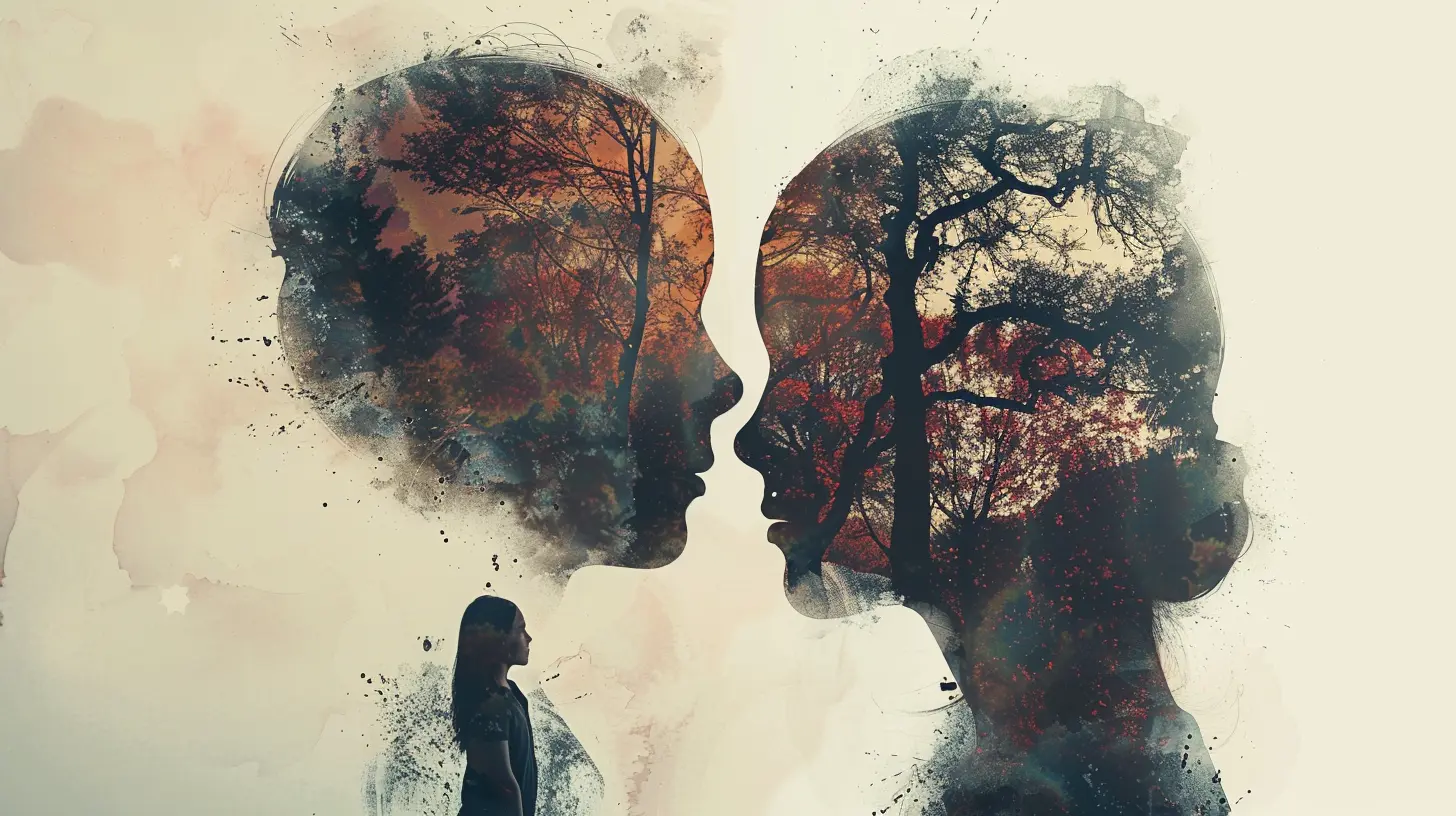
Breaking the Cycle: Healing from Childhood Wounds
Here's the good news—you’re not doomed by your past. While childhood experiences shape us, they don’t have to define us. If you’re struggling with the ghosts of your early years, here are some ways to start healing:1. Recognizing Patterns
Awareness is the first step. Take a moment to reflect on your behaviors, fears, and emotional triggers. Do you push people away the moment they get too close? Do you struggle with over-explaining yourself? Understanding these patterns can help you break them.2. Therapy is Your Friend
There’s no shame in seeking therapy—think of it as a mental gym for your brain. Therapy can help you process childhood wounds, reframe limiting beliefs, and develop healthier coping mechanisms.3. Reparenting Yourself
Sometimes, we have to give ourselves the love and validation we never received as children. This means practicing self-love, setting boundaries, and speaking to yourself with kindness instead of criticism.4. Building Healthy Relationships
Surround yourself with emotionally supportive people. Whether it’s friends, a partner, or a community, healthy relationships can be incredibly healing.5. Mindfulness and Emotional Regulation
Practicing mindfulness, meditation, or journaling can help you navigate emotions in a healthier way. It’s all about getting to know yourself without judgment.Final Thoughts
Childhood experiences are the foundation of who we become—but they don’t have to be the blueprint for the rest of our lives. Whether your childhood was full of warmth or riddled with challenges, how you move forward is what truly matters.The past may have shaped you, but it doesn’t have to define you. Healing is possible, and every step you take towards self-awareness and self-love is a step toward breaking generational cycles.
So, here’s to growing, healing, and becoming the best version of yourself—because you deserve it.
all images in this post were generated using AI tools
Category:
Mental Health EducationAuthor:

Jenna Richardson
Discussion
rate this article
1 comments
Will Campbell
Isn’t it wild how a childhood ice cream mishap can ripple through adulthood like a whimsical echo? 🍦💭 Let’s unravel these sweet (and sometimes sticky) threads of our past that shape our minds today—who knew a cone could have such depth?
December 5, 2025 at 4:49 AM
Jenna Richardson
Absolutely! Childhood experiences, even seemingly small ones like an ice cream mishap, can profoundly influence our emotions and reactions in adulthood, creating lasting patterns in our mental health. 🍦✨