The Role of Diet and Nutrition in Managing Social Anxiety Symptoms
20 May 2026
Let’s get real for a moment—social anxiety sucks. You know that heart-pounding, sweaty palms, speak-and-your-voice-shakes kind of nervousness. Yeah, that. It’s more than just “being shy.” It can seriously interfere with your daily life, making things like job interviews, social gatherings, or even ordering coffee feel like climbing Mount Everest.
Now, therapy and medication? Super helpful. No doubt. But have you ever thought about what you're feeding your brain? Yep, your diet might be doing more than just affecting your waistline. It could be fanning the flames of your social anxiety—or helping to put them out.
In this article, we’ll deep-dive into how the food you eat can impact your mood, brain chemistry, and social interactions. So grab a snack (hopefully a healthy one), and let’s talk about the role of diet and nutrition in managing social anxiety symptoms.
What Is Social Anxiety, Really?
Before we jump into nutrition talk, let’s lay the groundwork. Social anxiety disorder (SAD) isn’t just being introverted or getting butterflies when speaking in public. It’s a chronic mental health condition where people fear being judged, humiliated, or rejected in social situations.It’s that overthinking spiral of “Did I sound stupid?”, “Is everyone judging me?”, or “I should’ve said something else.”
Symptoms include:
- Excessive self-consciousness
- Blushing, sweating, or trembling
- Avoiding social settings
- Nausea or dizziness
- Difficulty speaking
Sounds familiar? You’re not alone. Over 15 million Americans deal with social anxiety—and many are turning to more holistic ways (like diet!) to feel better.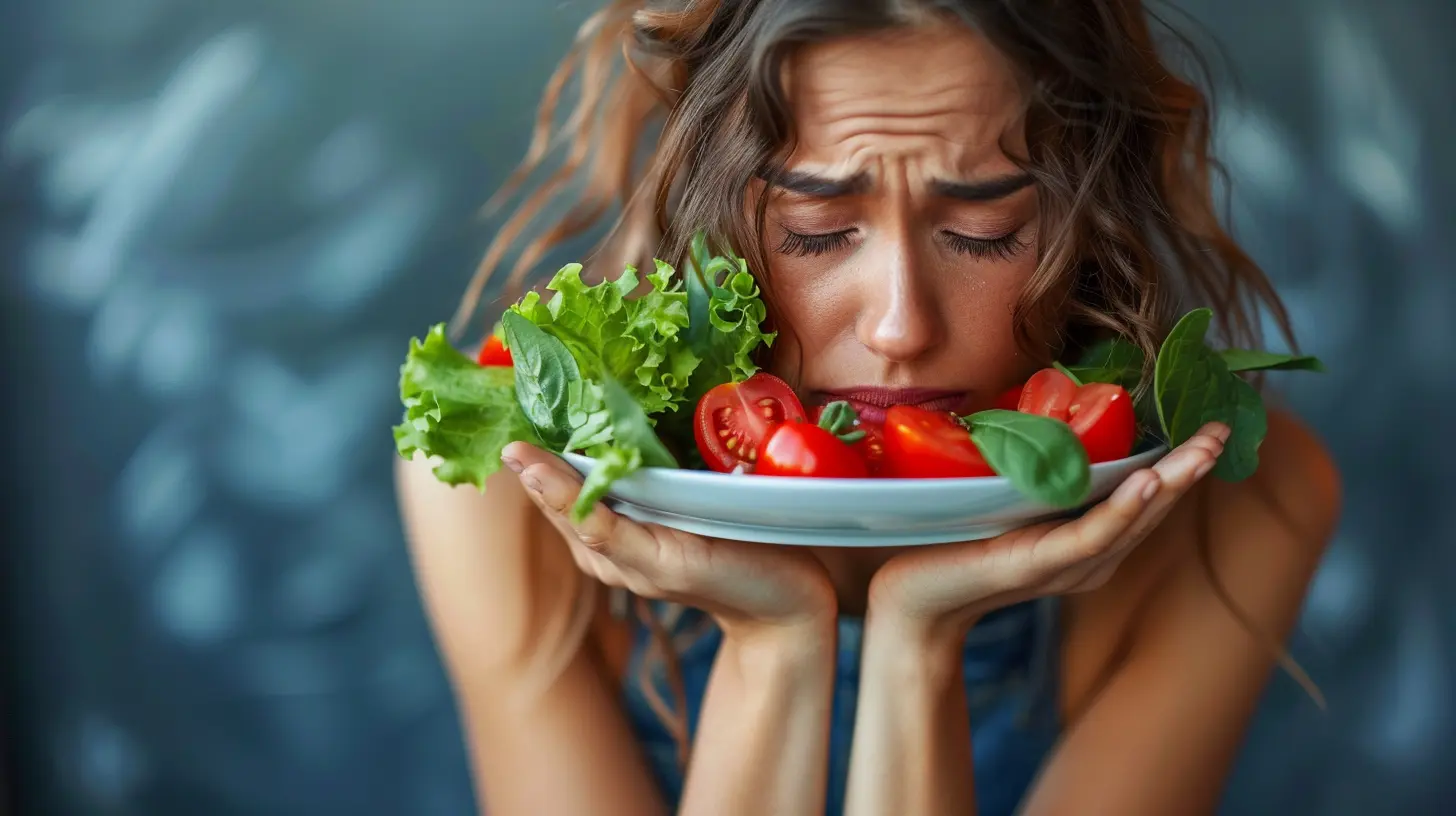
The Gut-Brain Connection: Your Second Brain Is Talking
Have you ever had a “gut feeling”? Or butterflies in your stomach before a big event? That’s not just poetic language—it’s science.Your gut and brain are in constant communication through the gut-brain axis. This includes the vagus nerve, neurotransmitters, immune signals, and gut microbiota (those friendly bacteria living in your digestive tract).
Turns out, your gut produces about 90% of your serotonin, the “feel-good” chemical that stabilizes your mood, emotions, and sleep. When your gut is healthy, your mind tends to be healthier too.
So what you put in your belly = impact on your brain.
How Diet Affects Social Anxiety
Let’s connect the dots. Here's how your daily food choices can either support or sabotage your journey in managing social anxiety:1. Blood Sugar Swings: The Mood Rollercoaster
Ever felt hangry? That’s blood sugar crashes kicking in. When you load up on sugar or refined carbs (hello, donuts and white bread), your blood sugar spikes—then crashes.These crashes can cause:
- Irritability
- Anxiety
- Fatigue
- Brain fog
Not exactly what you want when trying to stay calm and social. Eating high-sugar or high-carb foods regularly can mimic or worsen anxiety symptoms.
What to do: Balance your meals with complex carbs, healthy fats, and protein to keep your blood sugar steady.
2. Inflammation: The Silent Mood Killer
Chronic inflammation is linked to depression and anxiety. And guess what contributes to inflammation? Yep, a poor diet packed with:- Processed foods
- Added sugars
- Trans fats
- Refined oils
These cause your immune system to go into overdrive, which affects your brain chemistry and mood.
Anti-inflammatory foods to the rescue:
- Leafy greens like spinach and kale
- Berries
- Fatty fish like salmon
- Nuts and seeds
- Olive oil
Basically, if it comes from the ground or the sea and hasn’t been processed to death, it’s probably helping you—not hurting you.
3. The Power of Protein and Amino Acids
Proteins are made of amino acids—tiny building blocks that your body uses to make neurotransmitters. We’re talking about serotonin, dopamine, GABA—all the mood-regulating MVPs.If you’re not getting enough high-quality protein, your brain chemistry could be all out of whack.
Good sources include:
- Eggs (nature’s multivitamin)
- Chicken
- Lentils
- Tofu
- Greek yogurt
These foods can help your brain produce the right chemicals to keep anxiety at bay.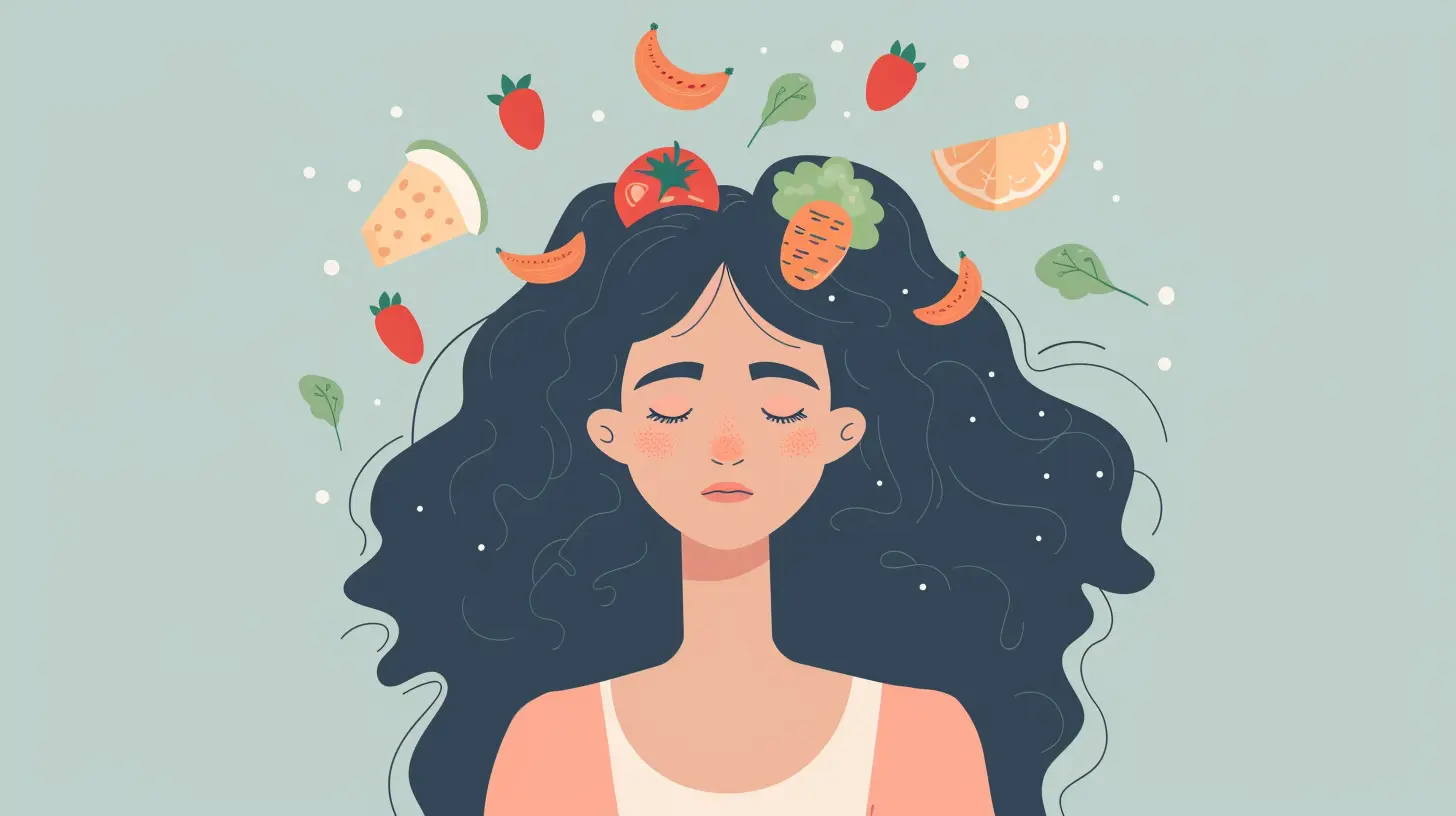
Nutrients That Help Manage Social Anxiety
Now that we’ve covered general guidelines, what about specific nutrients that can support mental wellness—especially for social anxiety?1. Magnesium: The Calm Mineral
Magnesium plays a role in over 300 biochemical reactions in your body. One of its superhero traits? Reducing anxiety.Low levels of magnesium have been linked to increased anxiety and stress. It helps regulate cortisol (your stress hormone) and relaxes the nervous system.
Magnesium-rich foods:
- Almonds
- Spinach
- Black beans
- Avocados
- Dark chocolate (yes, in moderation!)
2. Omega-3 Fatty Acids: Brain Boosters
Your brain loves fat—especially omega-3s. These essential fats reduce inflammation and help regulate neurotransmitter function.One study showed that people who took omega-3 supplements saw a significant reduction in anxiety symptoms.
Top sources:
- Salmon
- Sardines
- Walnuts
- Flaxseeds
- Chia seeds
Don’t like fish? No problem—plant-based omega-3s still help, though not as potently.
3. B Vitamins: Mood Stabilizers
B vitamins, especially B6, B12, and folate, play a huge role in creating serotonin and dopamine (a.k.a. the "confidence" and "happy" chemicals).Deficiencies in B vitamins can make you feel mentally and physically drained—exactly what you don’t need with social anxiety.
B-vitamin-rich foods:
- Eggs
- Meat
- Leafy greens
- Whole grains
- Legumes
Vegans and vegetarians might need to supplement with B12, by the way—it’s mostly found in animal products.
4. Probiotics: Friendly Bacteria for a Friendly Mind
A happy gut = a happy brain, remember? Probiotics are the good bacteria that improve gut health and, by extension, mental health.Studies suggest that probiotics can reduce symptoms of anxiety and improve mood by influencing neurotransmitters and reducing inflammation.
Probiotic foods:
- Yogurt with live cultures
- Kimchi
- Sauerkraut
- Kefir
- Tempeh
Foods to Avoid if You Have Social Anxiety
Just like some foods help, others definitely don’t. Here are the usual suspects to minimize:1. Caffeine
That morning latte might kickstart your day, but too much caffeine can amplify anxiety-like symptoms: racing heart, jitters, restlessness.If you’re sensitive, scale back or swap to green tea, which contains L-theanine—a calming compound.
2. Alcohol
Sure, it feels like a social lubricant at first. But alcohol messes with your neurotransmitters, dehydrates you, and can increase anxiety later (hello, hangxiety!).3. Sugary Snacks and Drinks
Sugar may comfort you for a minute… then comes the mood crash. High sugar intake is linked to increased anxiety and depression symptoms.4. Highly Processed Foods
We’re talking fast food, chips, microwave meals. They’re convenient, but full of unhealthy fats, additives, and chemicals that mess with brain function.How to Eat for Social Calm: A Simple Game Plan
Okay, we’ve talked theory. Now let’s get real. Here’s a simple way to start eating to support your mental health and manage social anxiety.Breakfast
- Oatmeal with chia seeds, banana, and almond butter (complex carbs + fiber + healthy fat)- Herbal tea or a matcha latte
Lunch
- Grilled chicken salad with mixed greens, avocado, walnuts, and olive oil dressing- A side of quinoa or sweet potato
Snack
- Greek yogurt with berries- Or a handful of almonds and dark chocolate (not a whole bar, folks)
Dinner
- Baked salmon with steamed broccoli and brown rice- Drizzle with lemon and herbs for flavor
Before Bed
- Chamomile tea- A small piece of turkey or a banana to help with melatonin production
Small Changes, Big Impact
Managing social anxiety isn’t a one-size-fits-all journey. But your diet? It’s one powerful piece of the puzzle.You don’t need to go full-on health guru overnight. Just start making little swaps. Add one new veggie. Drink water instead of soda. Try cooking a meal instead of grabbing takeout. Step by step.
Here’s the thing—when you feed your brain the nutrients it craves, you’re giving it the tools to handle stress, regulate mood, and show up with more confidence. Food won’t magically erase social anxiety, but it can make the hill a whole lot easier to climb.
So next time you're prepping a meal, ask yourself: Is this food feeding my fear—or fueling my freedom?
—
Final Thoughts
If you’ve been struggling with social anxiety, know that you’re not broken. You’re human. And like every human, your body and mind are deeply connected. The good news? You have more control than you think—starting with what’s on your plate.Give your brain the nourishment it truly deserves. You might be surprised how much calmer, clearer, and more confident you start to feel.
all images in this post were generated using AI tools
Category:
Social AnxietyAuthor:

Jenna Richardson
Discussion
rate this article
1 comments
Flynn Tucker
Great article! It's interesting to see how our diet can impact mental health. Small changes in what we eat could really make a difference for those struggling with social anxiety. I'll definitely be more mindful of my meals now!
May 31, 2026 at 3:53 PM
Jenna Richardson
Thank you for your thoughtful comment! I'm glad you found the article helpful. Small changes can truly have a big impact.