The Link Between Creativity and Mental Resilience
15 September 2026
Creativity and mental resilience are two interconnected attributes that can significantly enhance an individual's quality of life. Both elements play a crucial role in how we navigate challenges, express ourselves, and recover from setbacks. Understanding this link can empower individuals to cultivate both their creative abilities and their resilience, ultimately leading to a more fulfilling life.

Understanding Creativity
What is Creativity?
Creativity is often seen as the ability to generate new ideas, solutions, or artistic expressions. It is not limited to traditional artistic endeavors; rather, it encompasses thinking outside the box, problem-solving, and innovating in various aspects of life. Creativity is a multi-faceted phenomenon that can manifest in different forms, including visual arts, music, writing, and even scientific or technological advancements.The Nature of Creative Thinking
Creative thinking involves divergent thinking, which allows for the exploration of multiple solutions and perspectives. This is different from convergent thinking, where the focus is on finding a single correct answer. Encouraging divergent thinking can foster an environment where new ideas flourish, which is essential for problem-solving and innovation.The Role of Creativity in Everyday Life
Creativity is not confined to the realm of artists and innovators; it is a vital part of everyday life. For instance, coming up with a new recipe, finding a unique way to organize your workspace, or brainstorming solutions during a team meeting all require creative input. Engaging in creative activities can also provide a sense of accomplishment and boost self-esteem.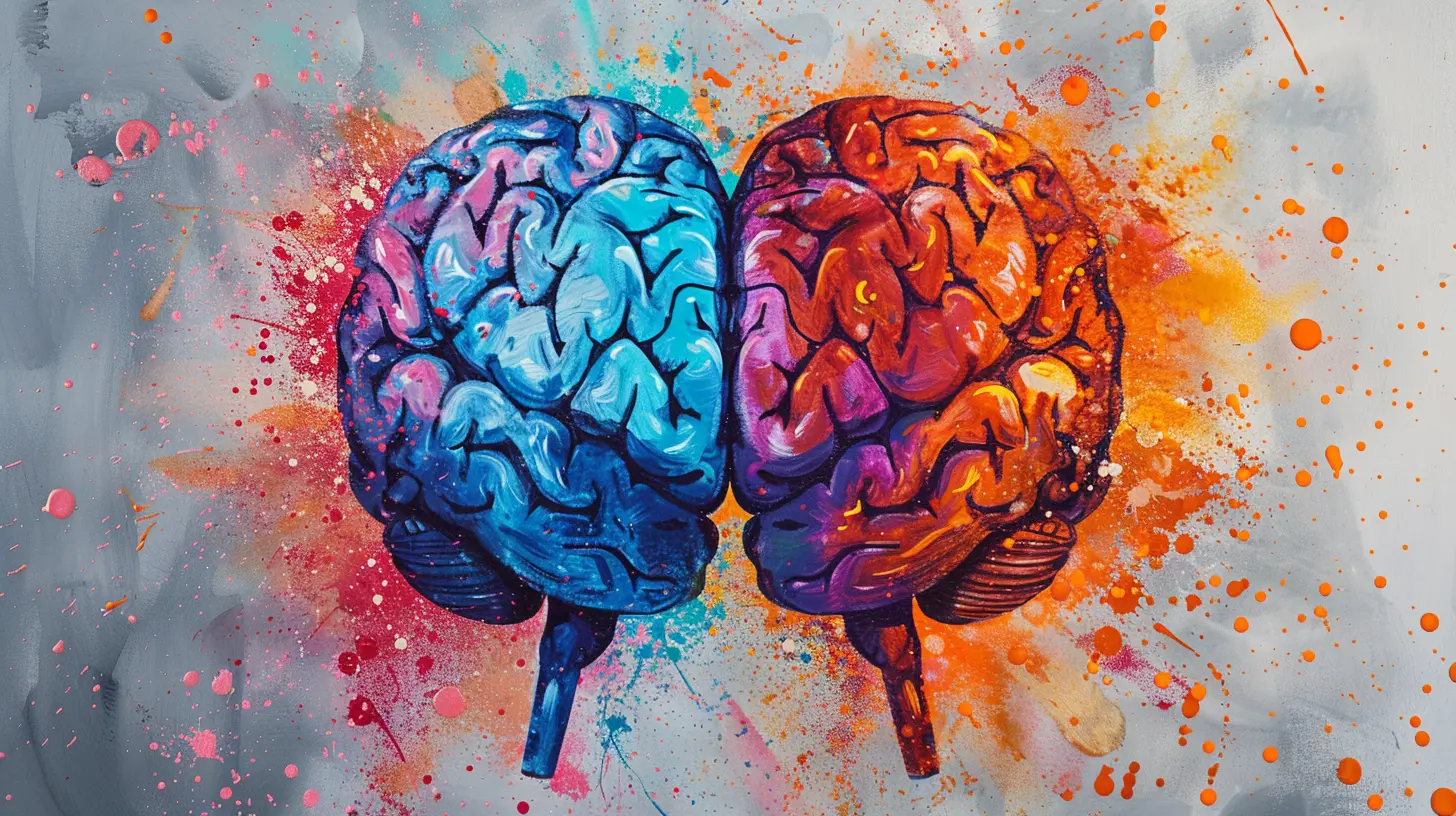
Understanding Mental Resilience
What is Mental Resilience?
Mental resilience is the capacity to adapt to stress, adversity, or trauma. It involves the ability to bounce back from difficult experiences and maintain a positive outlook despite challenges. People with high mental resilience tend to be more flexible in their thinking, allowing them to navigate life's ups and downs more effectively.The Components of Mental Resilience
Several key components contribute to mental resilience, including:1. Emotional Awareness: Understanding and managing one's emotions is crucial for resilience. This awareness helps individuals respond to challenges rather than react impulsively.
2. Optimism: A positive mindset can significantly influence how one perceives and reacts to adversity. Optimistic individuals are more likely to view challenges as opportunities for growth.
3. Social Support: Building and maintaining strong relationships can provide emotional and practical support during tough times. Connecting with others can enhance feelings of belonging and reduce stress.
4. Problem-Solving Skills: The ability to analyze situations and devise effective solutions is fundamental for resilience. This skill helps individuals feel more in control and less overwhelmed by challenges.
5. Self-Care: Practicing self-care through healthy habits, such as regular exercise, a balanced diet, and adequate sleep, can bolster mental resilience.
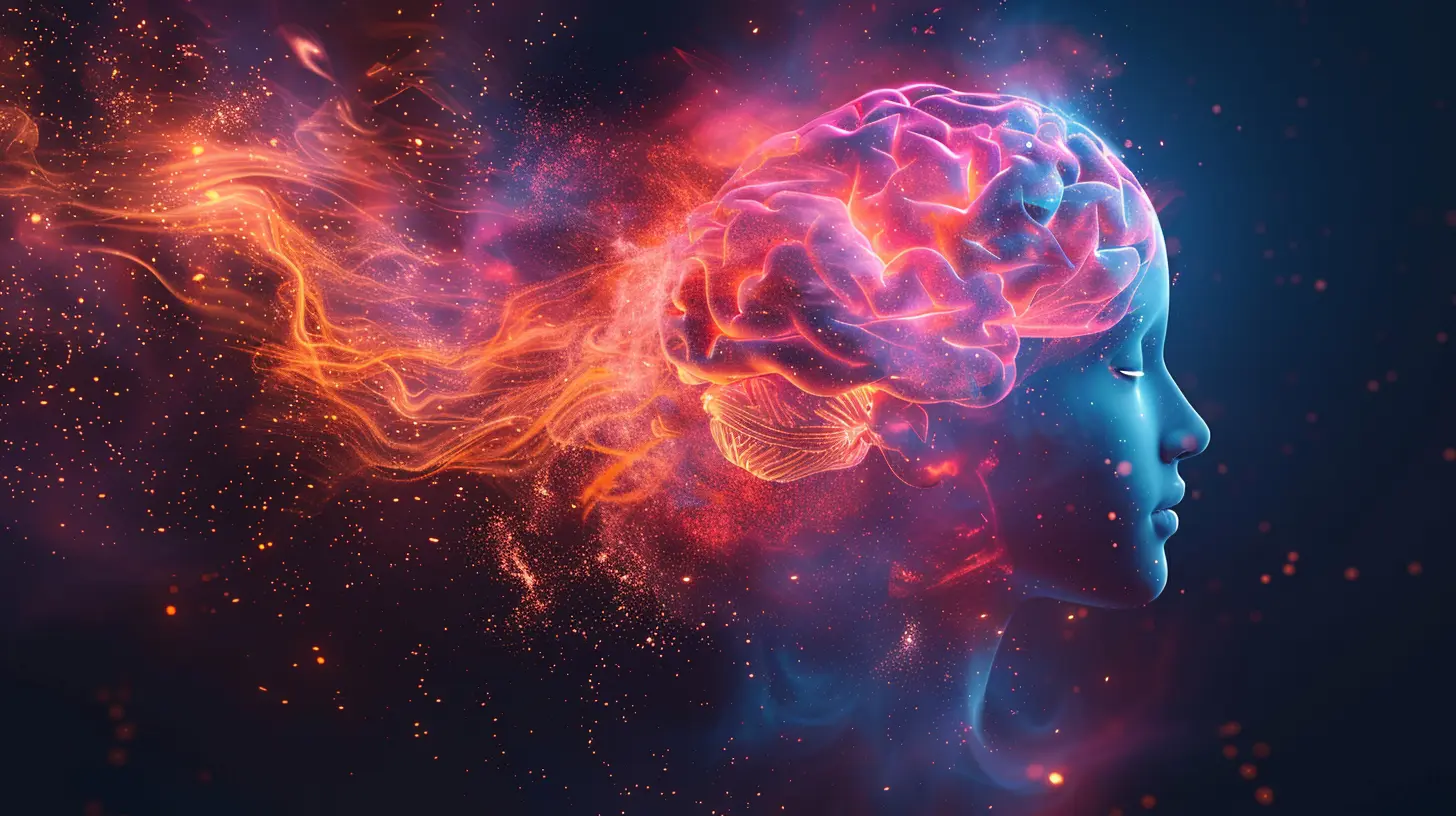
The Interplay Between Creativity and Mental Resilience
How Creativity Enhances Resilience
1. Problem-Solving: Engaging in creative activities encourages individuals to think critically and explore various solutions to problems. This enhanced problem-solving ability can lead to greater resilience when faced with stressors or challenges.2. Emotional Expression: Creativity provides a healthy outlet for emotions, allowing individuals to process feelings and experiences. This emotional release can be particularly beneficial during tough times, contributing to mental well-being.
3. Flexibility in Thinking: Creativity cultivates an open mindset, helping individuals become more adaptable in the face of adversity. This flexibility allows for better coping strategies and a more positive outlook.
4. Building Self-Esteem: Achieving creative goals, whether big or small, can boost self-confidence. A strong sense of self-worth can contribute to resilience, as individuals feel more capable of handling life's challenges.
5. Promoting Social Connections: Collaborative creative endeavors, such as group projects or workshops, can strengthen social bonds. These connections provide valuable support during difficult times and enhance resilience.
When Resilience Fuels Creativity
1. Risk-Taking: Resilience encourages individuals to take risks and step outside their comfort zones. This willingness to embrace uncertainty can lead to innovative ideas and creative breakthroughs.2. Overcoming Fear of Failure: A resilient mindset helps individuals view failure as a learning opportunity rather than a setback. This perspective is essential for creative exploration, as it allows individuals to experiment without the fear of negative outcomes.
3. Sustaining Motivation: Resilience can help individuals maintain their motivation in the face of creative blocks or challenges. This persistence is crucial for seeing a project through to completion.
4. Learning from Experience: Resilient individuals often reflect on their experiences to extract valuable lessons. This reflective practice can inform and inspire future creative endeavors.

Real-World Examples
Creative Arts and Mental Resilience
Numerous artists and creatives have demonstrated the connection between creativity and resilience. For example, Vincent van Gogh, known for his emotional and evocative paintings, battled mental health issues throughout his life. His art served as both a means of expression and a way to cope with his struggles. Similarly, many contemporary artists use their work to address personal and societal challenges, fostering both creativity and resilience.Creative Problem-Solving in the Workplace
In the business world, companies that encourage creative thinking often exhibit greater resilience during economic downturns. For instance, organizations that prioritize innovation are more likely to adapt successfully to changing market conditions. Employees who feel empowered to propose creative solutions can help their companies navigate challenges more effectively.Crafting a Resilient Mindset through Creative Hobbies
Engaging in creative hobbies such as painting, writing, or playing a musical instrument can help individuals build resilience in their personal lives. These activities provide a distraction from stressors and foster a sense of accomplishment. For example, a person who takes up painting as a hobby may not only develop their artistic skills but also gain coping mechanisms that help them manage stress.Common Misconceptions
Creativity is Only for Artists
One common misconception is that creativity is exclusive to artists or those in creative professions. In reality, creativity is a skill that can be developed and applied in various contexts. Everyone can harness their creativity, whether in problem-solving at work or finding innovative ways to manage personal challenges.Resilience is Inherent and Cannot Be Developed
Some people believe that resilience is an innate quality that cannot be cultivated. While certain individuals may naturally exhibit higher levels of resilience, it is indeed a skill that can be nurtured through practice and experience. Engaging in creative activities can serve as one of many pathways to enhancing resilience.Creativity Must Be Innate to Be Valid
Another misconception is that creativity must be a natural talent to be valid or worthwhile. In truth, creativity can be cultivated through practice, exploration, and experimentation. The value of creativity lies in the process, not just the final product.
Best Practices for Enhancing Creativity and Resilience
1. Set Aside Time for Creative Activities: Regularly schedule time for creative pursuits, whether it's writing, painting, or brainstorming new ideas. Treat this time as a valuable investment in your well-being.2. Embrace a Growth Mindset: Adopt a mindset that values learning and growth. View challenges as opportunities to develop your skills and abilities, both in creativity and resilience.
3. Practice Mindfulness: Mindfulness techniques can enhance both creativity and resilience by encouraging present-moment awareness. Practices such as meditation or deep breathing can help clear mental clutter and promote creative thinking.
4. Seek Feedback and Collaboration: Share your creative work with others and seek constructive feedback. Collaborative efforts can stimulate new ideas and enhance your resilience through social support.
5. Reflect on Experiences: Take time to reflect on your creative endeavors and the challenges you face. Journaling or discussing your experiences with others can help you process emotions and identify valuable lessons.
6. Balance Risk and Comfort: While it is essential to step outside your comfort zone, it is equally important to balance risk-taking with self-care. Find a level of challenge that feels manageable to avoid burnout while still promoting growth.
Conclusion
The link between creativity and mental resilience is profound and multifaceted. By understanding and cultivating both attributes, individuals can enhance their ability to navigate life's challenges while fostering a richer and more fulfilling creative life. Embracing creativity not only serves as a pathway for self-expression but also builds the mental fortitude needed to thrive in an ever-changing world.As we nurture our creative abilities, we simultaneously fortify our resilience, creating a powerful synergy that can lead to personal growth and a deeper connection to ourselves and others.
all images in this post were generated using AI tools
Category:
Creativity And The MindAuthor:

Jenna Richardson