The Impact of Burnout on Mental Health: A Deep Dive
6 August 2026
Let’s face it—burnout isn’t just a workplace buzzword anymore. It’s a full-blown mental health crisis brewing quietly in the background of our lives. Whether you're hustling through a 9-to-5, juggling kids and deadlines, or simply trying to keep your head above the never-ending to-do list, burnout might be lurking somewhere closer than you think.
In this deep dive, we’ll unravel what burnout really is, how it creeps into our mental health, and what we can do to stop it before it takes over. So grab a cup of coffee (or herbal tea if you’re already feeling the burn) and let’s chat.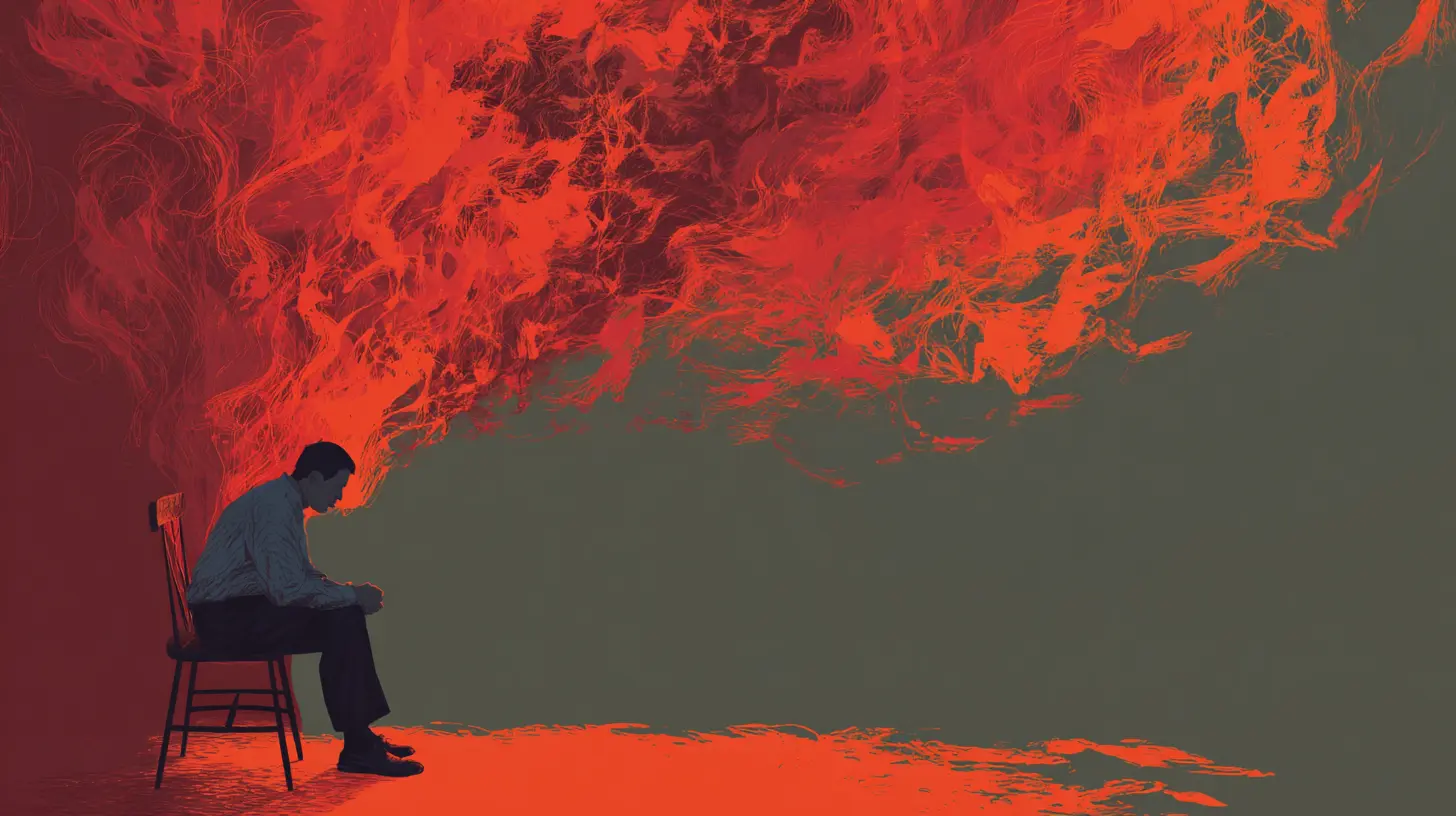
What is Burnout, Anyway?
Burnout isn’t just “being tired.” We all get tired. Burnout is chronic, persistent exhaustion—physically, emotionally, and mentally. It leaves you feeling drained, cynical, and detached.According to the World Health Organization (WHO), burnout is classified as an “occupational phenomenon,” meaning it often stems from your job. But let’s be real: you can get burnt out from parenting, caregiving, studying, or even just existing in a stressful environment.
Think of it like a candle burning at both ends. Eventually, there’s no wax left. That’s burnout in a nutshell.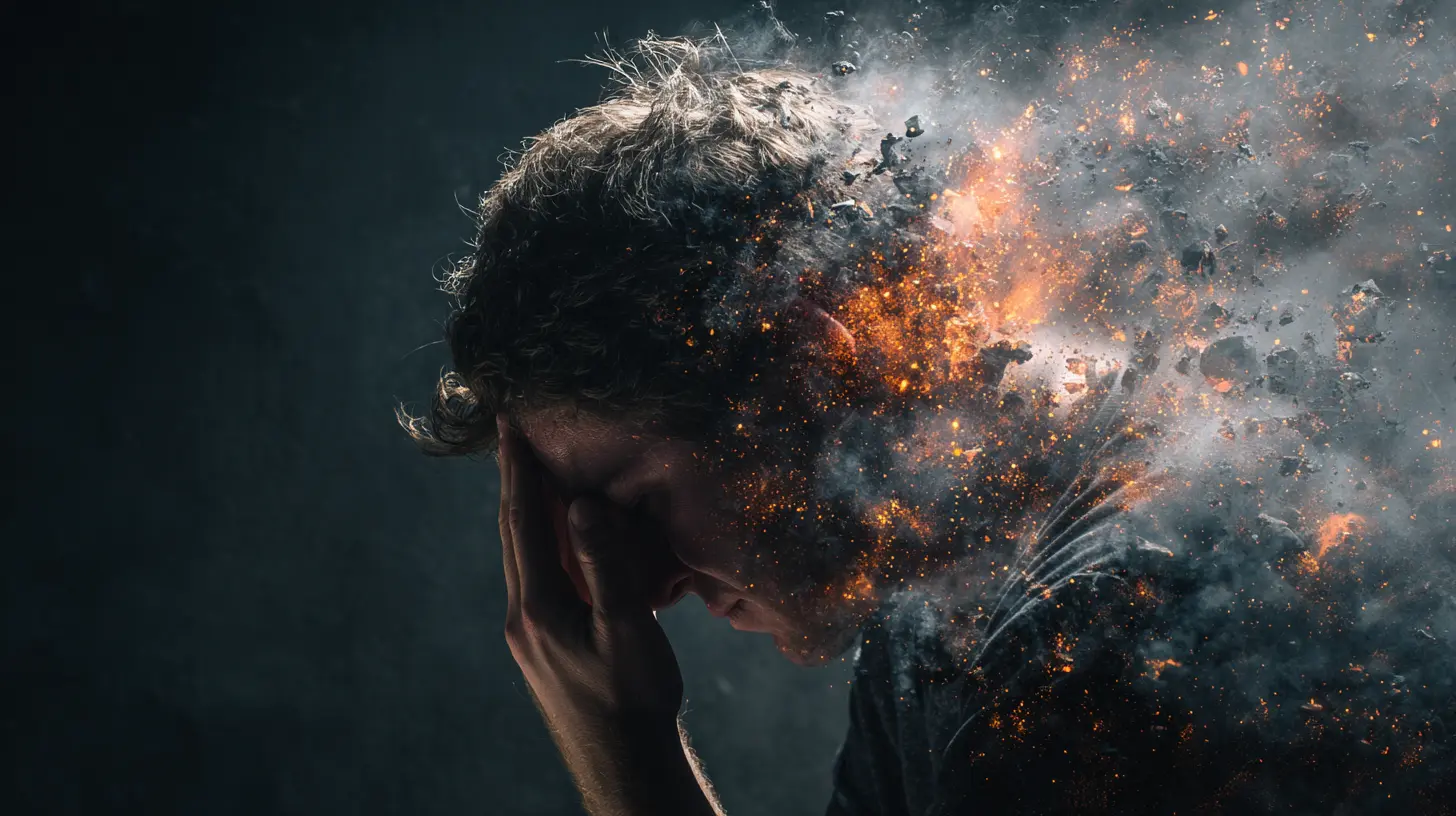
The Three Core Components of Burnout
Burnout usually shows up in three not-so-fun flavors:1. Emotional Exhaustion
You’re running on emotional empty. You might feel like crying over spilled milk—literally. Or you find yourself snapping at people for no reason.2. Depersonalization (a.k.a. Cynicism)
You start caring less—not because you want to, but because you just can’t. You feel detached from your work, your relationships, and maybe even yourself.3. Reduced Personal Accomplishment
You feel like you’re not achieving much, even when you’re putting in the effort. That constant sense of “I’m not good enough” creeps in.Sound familiar?
How Burnout Messes With Your Mental Health
Burnout doesn’t just make you tired. It messes with your head—and not in a good way. Let’s look at how burnout and mental health are deeply connected.1. Burnout and Depression: A Blurry Line
Burnout and depression often look like twins. Both can leave you feeling hopeless, lost, and unmotivated. But here’s the kicker—burnout is usually tied to specific roles or environments, while depression can exist without a clear external cause.The problem? If burnout goes unchecked, it can trigger full-blown clinical depression. That’s why paying attention early is key.
2. Anxiety Levels Through the Roof
Ever feel like your brain is on a hamster wheel, spinning with endless thoughts at 3 a.m.? That’s anxiety tagging along with burnout. Chronic stress from burnout can flood your body with cortisol (the stress hormone), which messes with your sleep, mood, and focus.It’s like trying to read a book with a rock concert in the background. No wonder you’re overwhelmed.
3. Self-Esteem Takes a Hit
When you’re burnt out, tasks that once felt easy suddenly feel impossible. Over time, this chips away at your confidence. You start questioning your abilities, your worth, and even your purpose.This isn't just about feeling unmotivated—it’s about watching your sense of self slowly erode.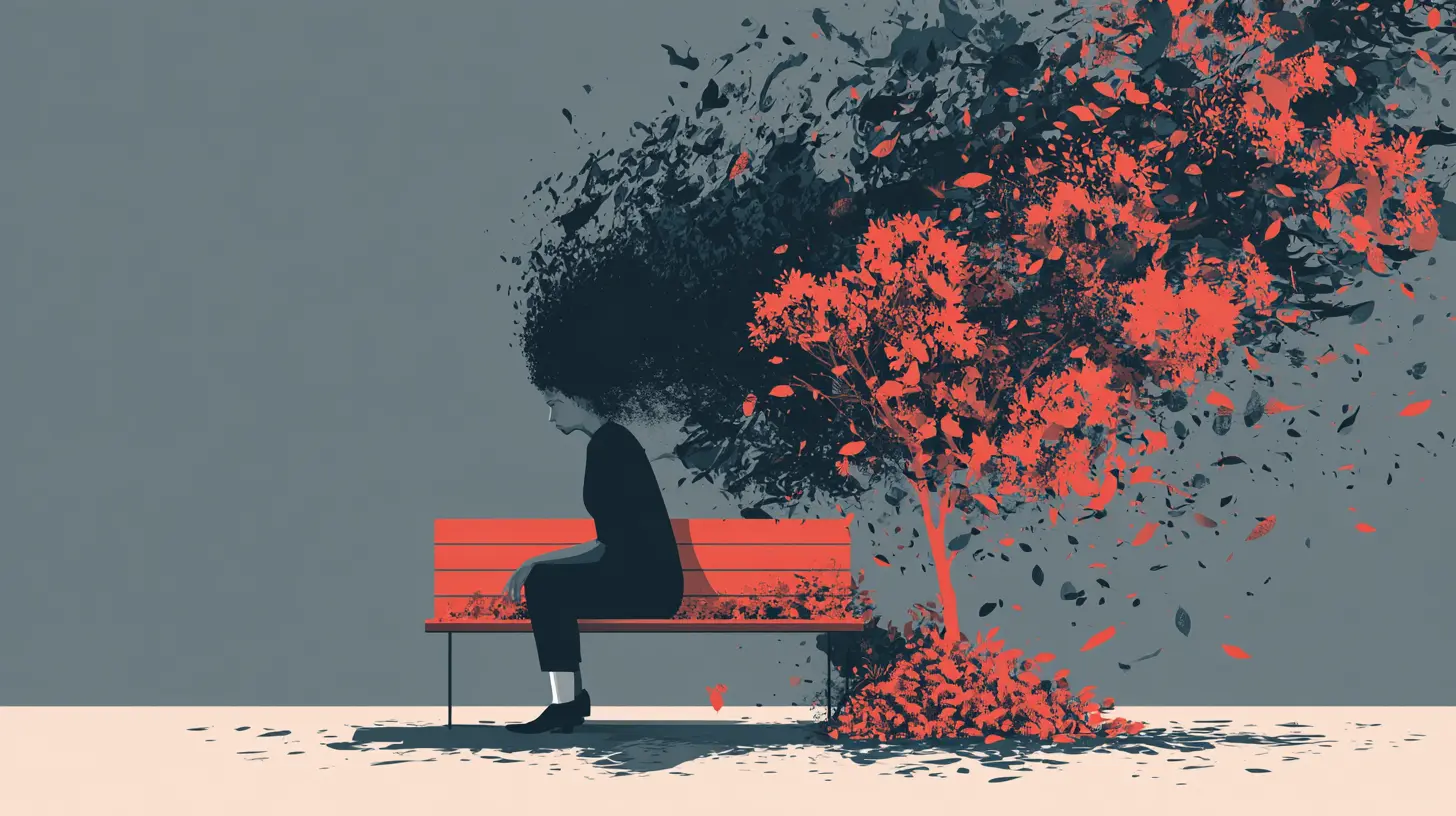
Physical Symptoms You Shouldn’t Ignore
Burnout isn’t just in your head. Your body takes a beating too. Don’t ignore these physical red flags:- Constant fatigue, even after sleep
- Frequent headaches or migraines
- Stomach issues (hello, stress-induced IBS)
- Muscle tension and body aches
- Weakened immune system (you’re catching every cold out there)
Our minds and bodies are a team. When the mental side is drowning, the physical side throws up a big red flag.
The Vicious Cycle: Burnout Feeding Mental Health Issues
Here’s where things get tricky. Burnout feeds into mental health problems, which then makes it harder to break out of burnout. It’s a vicious cycle that looks something like this:1. You push yourself too hard.
2. You start feeling emotionally and physically drained.
3. Your performance drops, and your motivation tanks.
4. You internalize the struggle—cue anxiety, depression, and low self-worth.
5. You keep pushing out of guilt or fear, which feeds more burnout.
Round and round it goes.
Who’s Most at Risk of Burnout?
Spoiler alert: burnout doesn’t play favorites. But some people are more vulnerable than others.High-Stress Professions
Doctors, teachers, social workers, first responders—people in care-driven or high-demand jobs are often on the front lines of burnout.Perfectionists
If you set impossibly high standards for yourself and beat yourself up for falling short, you’re an ideal candidate for burnout. Ouch, we know.People-Pleasers
Always saying “yes” even when you want to scream “NO”? Overextending yourself constantly can deplete your emotional reserves real quick.Remote Workers
Funny enough, working from home doesn’t always reduce burnout. The blurred lines between home and work can mean you're never really off the clock.Why We Ignore Burnout (Until It’s Too Late)
We live in a culture that rewards hustle, “grind mentality,” and being constantly busy. Taking a break? That’s for the weak—at least that’s what we’re told.But glorifying overwork is dangerous. It teaches us to ignore the signs until we’re completely fried.
You wouldn’t drive a car with the check engine light on for weeks, would you? So why do we do that with our minds?
How to Recover From Burnout and Protect Your Mental Health
The good news? Burnout isn’t a death sentence. With intention and some lifestyle shifts, healing is absolutely possible. Here are some steps to kickstart your recovery:1. Recognize the Signs Early
Awareness is half the battle. If something feels “off,” don’t shove it under the rug. Check in with yourself regularly.Ask:
- Am I always tired?
- Am I dreading work or daily tasks?
- Have I lost interest in things I once loved?
Be honest with your answers.
2. Set Boundaries Like a Boss
Boundaries aren’t rude—they’re healthy. Say no without over-explaining. Create work-life separation, especially if you work from home. Block out “you” time and protect it fiercely.3. Prioritize Rest and Recovery
You’re not a robot—sleep, rest, and leisure aren’t luxuries; they’re necessities. Schedule time to recharge. Take breaks. Unplug from screens. Do something that fills your cup, not drains it.4. Talk it Out
Whether it’s a therapist, a coach, or just a trusted friend—talking can help lighten the mental load. Therapy especially can provide tools to cope and recover.5. Adjust Your Environment
Sometimes, burnout is a symptom of a toxic environment. If your job, relationship, or lifestyle is consistently draining, consider if something needs to shift. Change is scary, but staying stuck is worse.6. Embrace Imperfection
Perfection is a moving target. Embrace “good enough.” Let yourself off the hook once in a while. Life isn’t a performance—it’s a journey.Long-Term Strategies to Prevent Burnout
Healing from burnout is great—but what about preventing it from coming back? Here’s how to build burnout-resistance into your everyday life:- Practice Mindfulness
Even just 5 minutes of deep breathing or meditation can help center your mind and calm the chaos.- Move Your Body
Exercise isn’t just for physical health—it’s a stress reliever and mood booster.- Stay Connected
Isolation fuels burnout. Maintain connections with people who lift you up—not the ones who drain you.- Find Purpose
Engage in activities that align with your values. Purpose is the antidote to emotional numbness.- Make Joy a Priority
Joy isn’t frivolous—it’s fuel. Do things just because they make you smile. No justification needed.Final Thoughts: Give Yourself Permission to Slow Down
Burnout doesn’t happen overnight, and recovery won't either. But here’s the truth: you’re allowed to rest. You’re allowed to not have it all figured out. You’re allowed to protect your mental health like it’s the most precious thing you own—because it is.No title, paycheck, or milestone is worth sacrificing your wellbeing. So, take care of yourself. Set boundaries. Say no when you need to. And remember, you’re not lazy—you’re healing.
Let’s normalize rest. Let’s normalize asking for help. Let’s stop glorifying the grind.
Because at the end of the day, your peace of mind? That’s priceless.
all images in this post were generated using AI tools
Category:
BurnoutAuthor:

Jenna Richardson
Discussion
rate this article
1 comments
Colt Fields
This article really highlights how burnout sneaks up on us. Important topic for everyone to consider!
August 7, 2026 at 4:39 AM