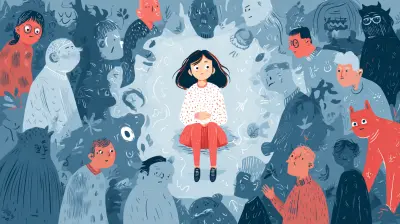
How Group Therapy Supports Emotional Regulation
4 July 2026
Emotions can be overwhelming, right? One moment, you're calm, and the next, you're caught up in a whirlwind of frustration, sadness, or anxiety. If you've ever struggled to manage your emotions effectively, you're not alone. Emotional regulation—the ability to control and navigate emotions in a healthy way—is something many people find challenging.
That's where group therapy comes in. It's not just about sitting in a circle and talking. It's a powerful tool that helps individuals understand, express, and regulate emotions in a supportive environment. But how exactly does group therapy support emotional regulation? Let’s dive in! 
What Is Emotional Regulation?
Before we get into the benefits of group therapy, let’s break down emotional regulation. Simply put, it’s how we manage our feelings so they don’t control us.Some people find it easy to stay calm under stress, while others might snap, shut down, or feel emotionally overwhelmed. Emotional regulation skills help:
- Reduce impulsive reactions
- Improve relationships
- Enhance mental well-being
- Boost problem-solving abilities
But let’s be real—regulating emotions is tough, especially when stress is high. That's why having a supportive environment, like group therapy, can be a game-changer. 
Group Therapy: A Safe Space for Emotional Growth
Group therapy creates a judgment-free zone where people with similar struggles come together to heal. It’s led by a trained therapist who guides discussions, activities, and sharing experiences in a structured way.Unlike one-on-one therapy, a group setting introduces you to multiple perspectives and real-time emotional feedback, which accelerates growth.
Here are some specific ways group therapy helps with emotional regulation: 
1. Learning from Shared Experiences
Ever felt like you’re the only one struggling? Group therapy shatters that illusion.When you hear others share similar emotional battles, it helps you realize you’re not alone. Let’s say you struggle with intense anxiety. Listening to someone describe how they manage their anxious thoughts can give you new strategies to try.
By witnessing real-life coping mechanisms, you learn practical ways to regulate your own emotions in a healthier way. 
2. Practicing Emotional Expression in a Safe Environment
Bottling up emotions? Not a great idea. But expressing them can be scary, especially if you're not used to it.Group therapy provides a safe, structured space to practice opening up. Unlike day-to-day interactions where emotions might be dismissed, group members validate each other’s feelings, making it easier to express emotions healthily.
When people listen without judgment and respond with empathy, it builds confidence in emotional expression, making it easier to communicate feelings outside the group as well.
3. Receiving Constructive Feedback
One of the most powerful aspects of group therapy is real-time feedback. When you react emotionally in the group, peers and therapists can help you see patterns in your behavior.For example, if you tend to shut down when discussing personal struggles, others might gently point it out. This awareness allows you to recognize emotional habits and work on healthier reactions.
Over time, you learn to self-regulate before emotions escalate, making everyday interactions more manageable.
4. Developing Coping Skills Through Group Exercises
Group therapy isn’t just about talking—it’s also about practicing new skills.Therapists guide members through various exercises, such as:
- Role-playing conflict resolution
- Mindfulness techniques for stress management
- Cognitive-behavioral strategies to challenge negative thoughts
These hands-on activities help reinforce emotional regulation skills in a practical, interactive way.
Imagine learning deep-breathing exercises for managing anxiety in a supportive, encouraging space. The more you practice within the group, the easier it becomes to apply these techniques in real life.
5. Building Emotional Resilience Through Connection
Humans are social beings. When we feel connected and supported, it boosts our emotional resilience.Group therapy fosters a sense of belonging, which enhances emotional regulation because you don’t feel like you’re fighting battles alone. The group becomes a support system, cheering on your progress and offering reassurance during setbacks.
This connection reduces emotional distress and helps regulate challenging feelings more effectively.
6. Accountability Encourages Growth
Ever tried to start a new habit, only to give up within days? Having a group to hold you accountable makes a huge difference.Each session provides an opportunity to reflect on progress, set goals, and stay committed to improving emotional regulation. When you know others are rooting for you (and checking in), it boosts motivation to keep practicing healthy emotional habits.
7. Cultivating Self-Awareness and Emotional Intelligence
Emotional regulation starts with self-awareness. How can you manage emotions if you don’t understand them?Through discussions and guided reflections, group therapy increases emotional intelligence by helping you:
- Recognize emotional triggers
- Understand emotional patterns
- Develop healthier responses
The more aware you are of your emotions, the easier it is to manage them effectively.
Who Can Benefit from Group Therapy for Emotional Regulation?
Group therapy is beneficial for anyone struggling to manage emotions in a healthy way, including those dealing with:- Anxiety and stress
- Depression
- Anger management issues
- Trauma or PTSD
- Relationship struggles
- Emotional outbursts or emotional numbness
Regardless of your background, if you want to improve how you process and express emotions, group therapy is worth considering.
Final Thoughts: Healing Happens Together
Emotional regulation isn’t something you master overnight. It takes time, practice, and the right support system—which is exactly what group therapy provides.By offering shared experiences, constructive feedback, coping tools, and emotional support, group therapy creates a powerful space for growth and healing.
If you’ve been struggling to manage emotions, know that you don’t have to do it alone. Sometimes, healing happens best when we heal together.
all images in this post were generated using AI tools
Category:
Group TherapyAuthor:

Jenna Richardson
Discussion
rate this article
1 comments
Emmett McMillen
Group therapy feels like a warm hug for the heart. Sharing struggles and hearing others' stories creates a real sense of connection, making it easier to navigate our emotions together. It's truly powerful.
July 9, 2026 at 4:06 AM
Jenna Richardson
Absolutely, the connection in group therapy can be incredibly healing. Sharing experiences truly helps us feel less alone in our struggles.