The Future of Depression Treatment in 2027
18 April 2026
Let’s be honest for a second. Talking about depression treatment can feel… well, a bit stuck. For decades, the conversation has orbited around therapy couches and pill bottles. And while those tools are lifesaving for millions—and absolutely will remain cornerstones—there’s a quiet revolution brewing in labs and clinics worldwide. By 2027, the very landscape of how we understand and treat depression is poised for a transformation that’s less about incremental steps and more about a fundamental shift in perspective.
Think of it like this: if we’ve been trying to fix a complex software bug by just repeatedly pressing the same two keys (therapy and medication), 2027 is about getting our hands on the actual source code. We’re moving from treating generic symptoms to decoding individual biological and psychological signatures. The future isn't a one-size-fits-all miracle cure; it's a precision toolkit, tailored uniquely to you.
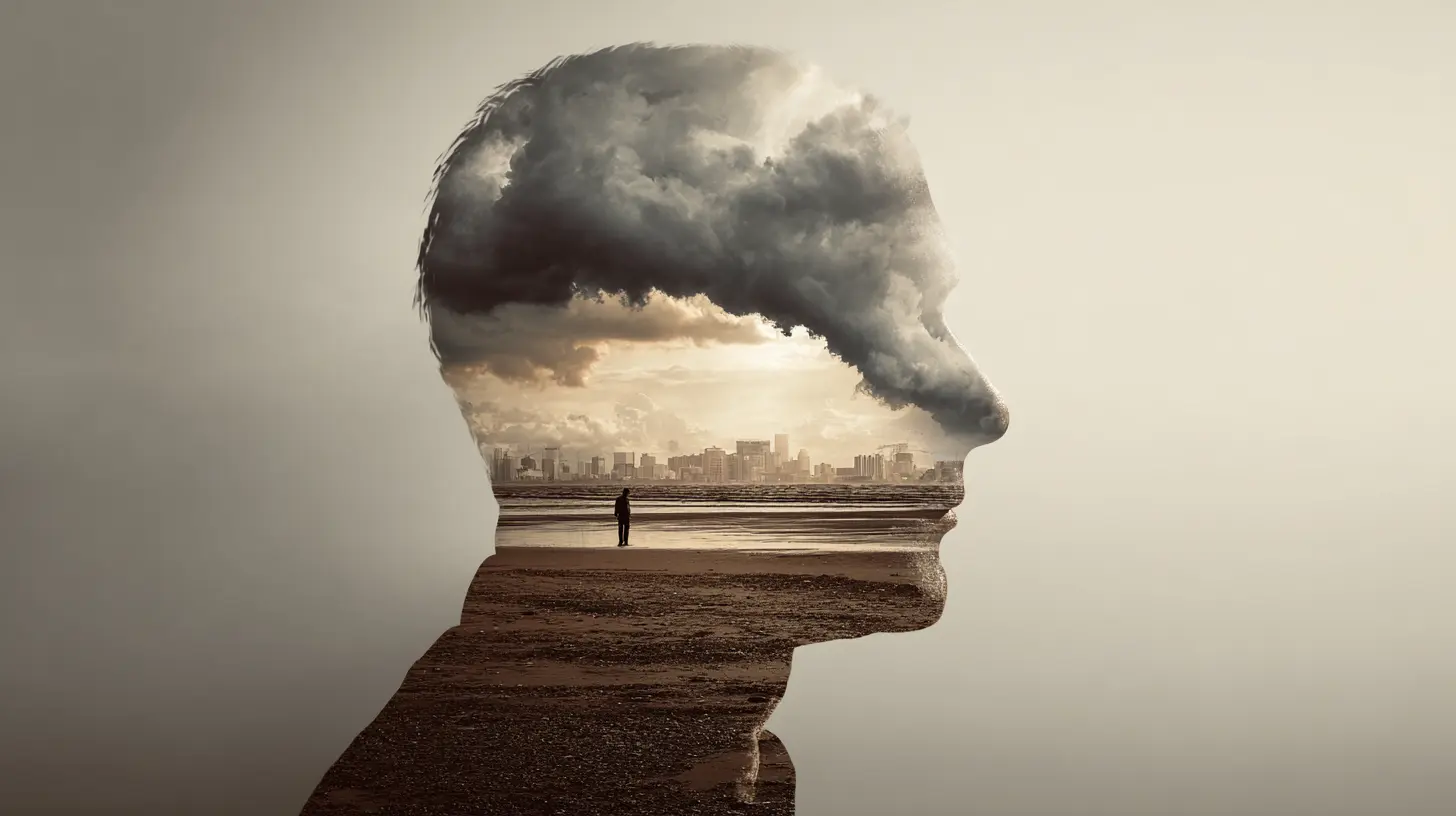
Beyond the Chemical Imbalance: The Era of Precision Psychiatry
For years, the "chemical imbalance" narrative, while useful in reducing stigma, has been a drastic oversimplification. It’s like saying a symphony orchestra is just about volume. By 2027, psychiatry is shedding this blunt instrument model. The focus is shifting to biomarkers—measurable biological indicators—that can tell us not just that you have depression, but what kind of depression you have.Your Blood, Your Blueprint
Imagine walking into a clinic in 2027 not just for a conversation, but for a detailed biological audit. Blood tests are moving beyond thyroid checks to analyze specific inflammatory markers, levels of brain-derived neurotrophic factor (BDNF—a key protein for brain health), and even genetic profiles that predict how you’ll metabolize certain medications. This isn't science fiction; the foundations are being laid today. By 2027, these panels could be routine, allowing your doctor to say, "Your profile shows high inflammation-linked depression, so let's start with an anti-inflammatory approach alongside a specific SSRI that your genetics show you'll tolerate well." Treatment stops being a guessing game.The Brain as a Map: Neuroimaging Takes Center Stage
What if we could see depression? Advanced neuroimaging techniques like fMRI and PET scans are becoming more accessible and refined. By 2027, we might commonly use these tools to identify dysfunctional neural circuits. Is your depression rooted in an overactive fear center (the amygdala)? Or is it a connectivity issue between the decision-making prefrontal cortex and the emotion-regulating hippocampus? Pinpointing the problem area allows for stunningly targeted treatments, like directing neuromodulation therapies (which we'll get to) with GPS-like accuracy. It’s the difference between broadcasting a radio signal to an entire city and sending a text directly to one person's phone.
The Treatment Toolkit Gets a High-Tech Upgrade
This new, precise understanding of depression demands equally sophisticated tools. The toolbox of 2027 looks less like a basic hammer and nails and more like a sleek, interactive tech workshop.Neuromodulation: Resetting the Brain's Hardware
If depression is, in part, a brain circuit problem, what if we could gently "reset" those circuits? Enter the next generation of neuromodulation.* Transcranial Magnetic Stimulation (TMS) 2.0: Already here, TMS will become faster, more precise, and personalized. Think "theta-burst" protocols that deliver treatment in 3 minutes instead of 40, guided in real-time by your individual MRI scan.
* Deep Brain Stimulation (DBS) with a Brain-Computer Interface (BCI): For severe, treatment-resistant cases, DBS implants will get smarter. Instead of delivering constant stimulation, a 2027-era DBS device might act like a pacemaker for the brain, using its own AI to detect the onset of a depressive spiral and deliver a precisely timed pulse to halt it. It’s a closed-loop system: your brain’s activity dictates the treatment, in real time.
The Digital Therapist in Your Pocket
Teletherapy broke down geographical barriers. The apps of 2027 will break down temporal and psychological ones. We’re talking about FDA-approved digital therapeutics that are prescribed like medication. These won’t be simple mood trackers. They’ll be immersive, AI-driven platforms that deliver personalized cognitive behavioral therapy (CBT) modules, use voice analysis to detect subtle vocal cues of declining mood, and offer real-time crisis coping skills through augmented reality (AR) interfaces. Your phone won't just schedule your therapy; it will become an extension of it, offering support in the exact moment you need it—during a stressful commute, in a tense meeting, or in the isolating quiet of 3 AM.Psychedelics: The Guided Journey Goes Mainstream
This is perhaps the most paradigm-shifting frontier. By 2027, psilocybin-assisted therapy (for treatment-resistant depression) and MDMA-assisted therapy (often for PTSD, which heavily overlaps with depression) are likely to be fully FDA-approved and rolling out in specialized clinics. The key word is assisted. This isn’t about recreational use. It’s about using these compounds as powerful catalysts within a strict therapeutic container. Under the guidance of trained therapists, these substances can seemingly "defragment" the brain, allowing for profound breakthroughs and perspective shifts that might take years in traditional therapy. They open a window of neuroplasticity—the brain’s ability to rewire itself—and therapy in 2027 will be expertly designed to build new, healthier pathways during that open window.
The Human Element in a High-Tech World
With all this talk of biomarkers and brain chips, you might wonder: where does the human connection go? It becomes more vital than ever. Technology in 2027 won't replace the therapist; it will empower them and democratize care.The Therapist as a Precision Engineer
The role of the therapist evolves from a generalist to a specialist conductor of your personalized treatment orchestra. They’ll interpret your biomarker data, integrate insights from your digital therapeutic app into live sessions, and provide the essential human container for psychedelic journeys. Their expertise will be in synthesizing all this information into a coherent, compassionate healing strategy. The relationship remains the bedrock; the tools just become more powerful.Accessibility and the Breaking Down of Walls
Here’s the hopeful part: many of these advances have the potential to increase access. Digital therapeutics can reach rural areas. Faster TMS protocols mean clinics can treat more people. While cutting-edge treatments will face cost and insurance hurdles initially, the long-term goal is to move from costly, repetitive treatments (like years of weekly therapy or medication management) to shorter, more definitive interventions. The economic argument, alongside the human one, will be a major driver for adoption.
The Challenges on the Road to 2027
This future isn’t without its shadows. We must navigate these waters carefully.* The Equity Problem: Will these advanced treatments only be for the wealthy? Ensuring equitable access is the paramount ethical challenge.
* Data Privacy: Your brain data and biomarker profile are the most intimate information possible. Robust, unbreakable privacy frameworks must be built.
* The Over-Medicalization Risk: In our quest for biomarkers, we must not pathologize normal human sadness. The goal is clarity, not turning every emotional dip into a clinical condition.
* Integration: A pill or a psychedelic journey isn’t a cure. The real work is integrating insights into daily life. Future treatment will emphasize integration therapy as a core component.
Conclusion: A Future of Hope, Tailored to You
So, what does the future of depression treatment in 2027 truly hold? It holds precision. It holds choice. It holds the promise of moving from a model of lifelong management to one of targeted recovery and profound healing.You won’t just be a patient with "major depressive disorder." You’ll be an individual with a specific neuro-inflammatory profile, a unique pattern of brain circuit dysfunction, and a personal life story that intersects with your biology. Your treatment plan will reflect that magnificent complexity. It might combine a short course of a targeted anti-inflammatory, a month of precision TMS, a series of psilocybin-assisted therapy sessions to break core traumas, and a prescribed digital therapeutic for daily maintenance—all coordinated by a therapist who has a deep map of your inner world.
The horizon of 2027 is bright not because of a single magic bullet, but because we are finally learning to listen—to the whispers in our blood, the signals in our neurons, and the stories in our hearts—and to craft answers that are as unique as the people asking for help. The future of depression treatment is, ultimately, personalized hope.
all images in this post were generated using AI tools
Category:
Depression AwarenessAuthor:

Jenna Richardson
Discussion
rate this article
2 comments
Thornefield McClain
This article offers a thoughtful look at potential advancements in treating depression by 2027. Combining technology with personalized care could revolutionize mental health treatment and improve countless lives. Exciting possibilities ahead!
September 11, 2026 at 2:45 AM
Kevin Warren
Loved this glimpse into the future! It’s comforting to think we’re moving beyond a one-size-fits-all approach. Here’s hoping 2027 offers more understanding for the messy, human reality of healing.
April 29, 2026 at 4:26 PM
Jenna Richardson
I'm glad you enjoyed it! Here's to a future that embraces our complexities and offers hope.