Mindfulness Techniques for Managing Social Anxiety in Social Settings
21 June 2026
Let’s talk about something that feels like a sweaty handshake you weren’t expecting—social anxiety. You know, that heart-thumping, stomach-twisting unease that kicks in when you're surrounded by people, trying to say the right thing, or just walking into a crowded room. If you’ve ever wished you could shrink into the floor during a social gathering, trust me—you’re not alone.
But here's the good news: there are ways to navigate this. Not by avoiding social situations entirely (though we’ve all been tempted), but by using mindfulness techniques that help you feel grounded, calm, and, dare I say, confident. In this article, we’ll walk through some manageable, real-life mindfulness practices that can help you ease your social anxiety and feel more present when the pressure’s on.
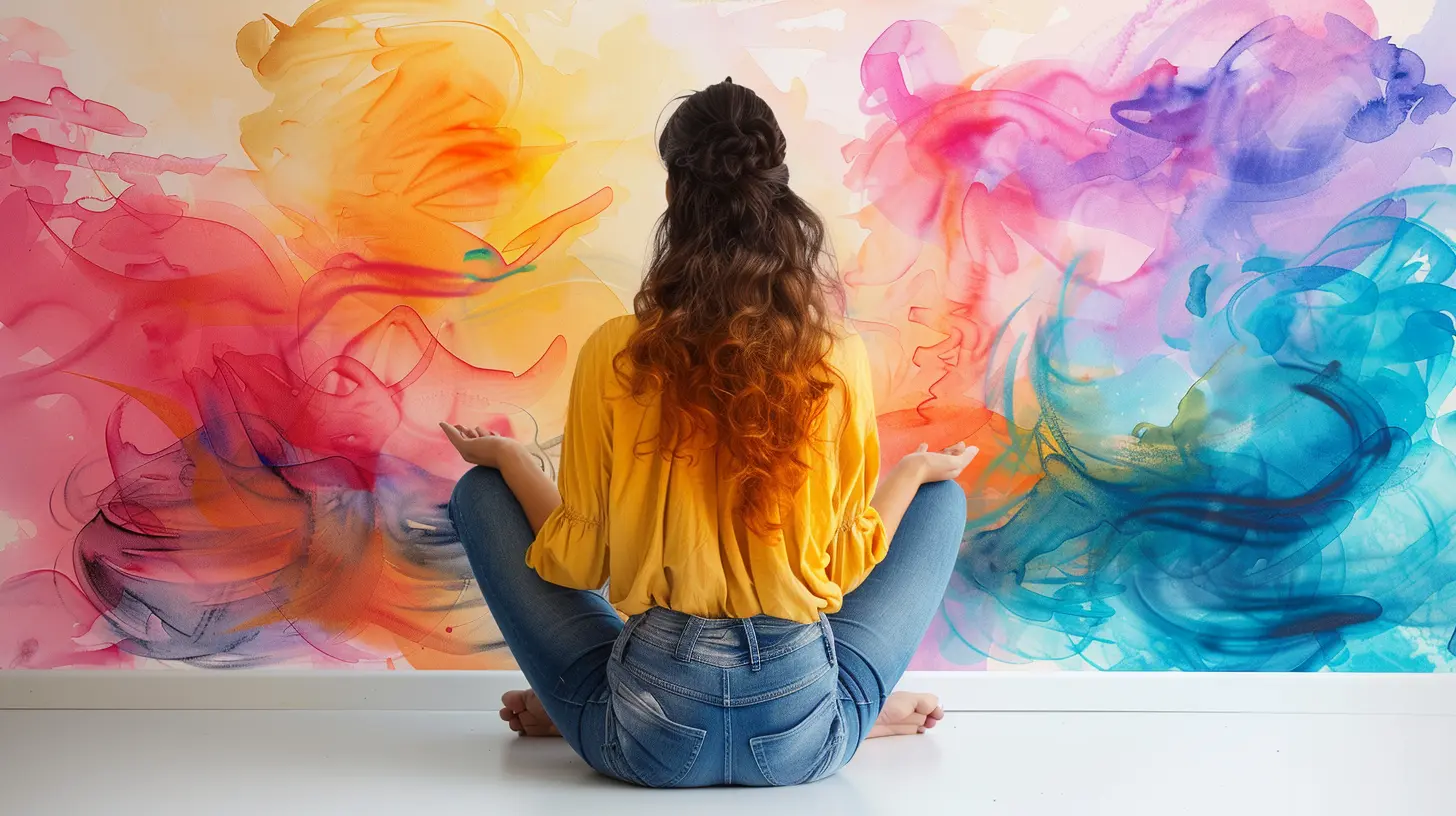
What Is Social Anxiety Anyway?
Before we jump into the good stuff, let’s get clear on what we’re dealing with. Social anxiety isn’t just being shy or introverted. It's a persistent fear of being judged, embarrassed, or rejected in social settings. Whether it’s a one-on-one chat, a group meeting, or a party, social anxiety can creep in and hijack your peace of mind.It might sound like:
- “What if I say something stupid?”
- “They’ll think I’m awkward.”
- “I’m probably being too quiet.”
Mindfulness can’t magically delete these thoughts—but it can help you respond to them differently. Instead of spiraling, you start observing. Instead of reacting, you pause. That’s the power of mindfulness.

What Is Mindfulness, Really?
Mindfulness is being present. Sounds simple, right? But when we’re socially anxious, our minds are everywhere but the present. We’re either obsessing over what we just said or panicking about what to say next. Mindfulness brings us back to now. It helps you become an observer of your thoughts—not a prisoner to them.Think of your mind like a snow globe. When social anxiety shakes it up, everything feels cloudy. Mindfulness is letting everything settle so you can see clearly.

Why Mindfulness Works Wonders for Social Anxiety
Let’s get nerdy for a second. Mindfulness helps calm the amygdala—the part of your brain that freaks out when it senses danger (like talking to someone new). It also activates the prefrontal cortex, which handles reasoning and decision-making. Translation? Less fight-or-flight, more chill and clarity.And when you’re more in tune with your body and breath, you’re better equipped to ride the wave of anxiety instead of wiping out.

Mindfulness Techniques That Actually Work in Social Settings
Alright, let’s dive into the good stuff. These techniques are simple, portable, and—most importantly—they work. You can use them whether you're gearing up for a party, stuck in a conversation that’s draining your soul, or decompressing after a stressful day.1. The 5-4-3-2-1 Grounding Technique
This one's a classic. It's a great way to anchor yourself when your thoughts are running wild.Here’s how it works:
- Look for 5 things you can see.
- Notice 4 things you can feel.
- Listen for 3 things you can hear.
- Identify 2 things you can smell.
- Taste 1 thing (even if it’s just the coffee you’re sipping).
It sounds basic, but it's a game-changer. You're essentially telling your brain, “Hey, we’re safe. Let’s focus on the now.”
2. Breath Awareness: The Secret Weapon
When your heart’s racing and your palms are sweaty, your breath can be your best friend. You don’t have to sit in lotus pose and hum—just breathe.Try this:
- Inhale for 4 counts.
- Hold for 4.
- Exhale for 4.
- Hold for 4 again.
This is called box breathing, and it’s used by Navy SEALs. If it works for people in actual combat, it’ll definitely help you at your cousin’s wedding.
3. Body Scan Meditation
Ever get so anxious you forget you have a body? Same. A body scan helps you reconnect.Do this either before the event or in the bathroom during it:
- Close your eyes.
- Start from the top of your head and mentally check in with each part of your body.
- Notice tension, relax it, and move on.
It’s like giving your nervous system a warm hug.
4. Labeling Thoughts and Feelings
Instead of getting tangled in your thoughts, try labeling them: “That’s a worry,” or “That’s self-criticism.”You don’t have to believe every thought that pops into your head. Thoughts are just clouds passing by. Let them float. You’re the sky, not the weather.
5. Mindful Listening
People love a good listener. And when you're mindfully listening, you're not obsessing over what to say next—you’re fully engaged.The trick? Focus on their words, tone, and even their facial expressions. It takes the pressure off you to perform and makes the other person feel seen. Win-win.
6. Pre-Social Event Visualization
Before stepping into a social setting, close your eyes and visualize the event going well. Imagine yourself smiling, connecting, and handling conversations with ease. This isn’t woo-woo—it’s part of what athletes do before a big game. You're training your brain for a positive experience.7. Set an Intention
Before a social setting, set a simple intention. Not a goal like “I'm going to make five friends tonight” (too much pressure), but something gentle like:- “I’ll stay present.”
- “I’ll be kind to myself.”
- “I’ll enjoy the moment.”
Your intention is your anchor when things feel overwhelming.
8. Move Mindfully
Feeling twitchy or restless? Excuse yourself and take a short walk. Even moving to refill your drink or stepping outside for a deep breath can help reset your nervous system. Focus on the sensation of your feet touching the ground or the rhythm of your steps. You're not avoiding—you're regulating.9. Use Touch as a Tether
Bring a small object that grounds you—a ring, a pendant, a coin. When you feel anxious, gently touch it. It’s like a mini grounding tool you can use without anyone noticing.10. Be Curious, Not Critical
Instead of beating yourself up for feeling anxious, get curious. Ask yourself:- “What’s this anxiety trying to tell me?”
- “Is there really a threat, or is it just discomfort?”
Curiosity opens the door for mindfulness. Criticism slams it shut.
After the Social Event: Mindful Reflection
Once it’s over, don’t replay every awkward moment like a blooper reel. Instead, reflect mindfully:- What went well?
- When did you feel most present?
- What did you learn?
Treat yourself like a friend who tried their best, not a punching bag for self-doubt. Growth comes from reflection, not rumination.
Bonus Tips for Long-Term Mindfulness
These consistent practices can help strengthen your mindfulness muscle over time:Daily Meditation
Even just 5 minutes a day can make a big difference. You don’t need to clear your mind—just notice what’s there without judgment. Use apps like Insight Timer or Headspace if you need a guide.Journaling
Write about your social experiences, triggers, and victories (big or small). Journaling helps you spot patterns and celebrate progress.Regular Movement
Yoga, walking, or stretching can keep anxiety from building up in your body. Mindful movement is like giving your mind a deep breath.Limit Stimulants
Caffeine and alcohol can spike anxiety. Try to go easy if you know you’ll be in a triggering situation. Hydration and balanced meals help too—turns out, hangry + anxious is not a good combo.Final Thoughts
Social anxiety can make you feel like the odd one out in every room—but you're not broken, and you're definitely not alone. Mindfulness isn't a cure-all, but it's damn close to a secret weapon. It helps you reconnect with your body, your breath, and the reality that you're okay—even if your brain tries to argue otherwise.Start small. Practice daily. And show yourself grace—because managing social anxiety is not about being perfect in social settings. It's about showing up, being real, and slowly learning that you belong.
Remember: your presence matters, even if your voice shakes sometimes.
all images in this post were generated using AI tools
Category:
Social AnxietyAuthor:

Jenna Richardson
Discussion
rate this article
1 comments
Samantha O'Brien
This article offers valuable insights for anyone struggling with social anxiety. The mindfulness techniques shared are practical and easy to implement, making them a great tool for navigating social situations. Remember, it's okay to take small steps. You've got this, and every effort counts toward feeling more at ease.
June 26, 2026 at 4:49 PM
Jenna Richardson
Thank you for your kind words! I'm glad you found the techniques helpful. Small steps can make a big difference.