Why You’ll Still Procrastinate in 2026 — Unless You Do This
22 April 2026
Ah, procrastination. It’s a word that brings a shiver down the spine of many. Remember that time you planned to tackle the laundry, only to find yourself binge-watching an entire series instead? Yeah, we’ve all been there. As we inch closer to 2026, here’s the hard truth: if you don’t address it now, procrastination will still be lurking around the corner, waiting to sabotage your plans. But worry not! Let’s dive into why this happens and what you can do about it.
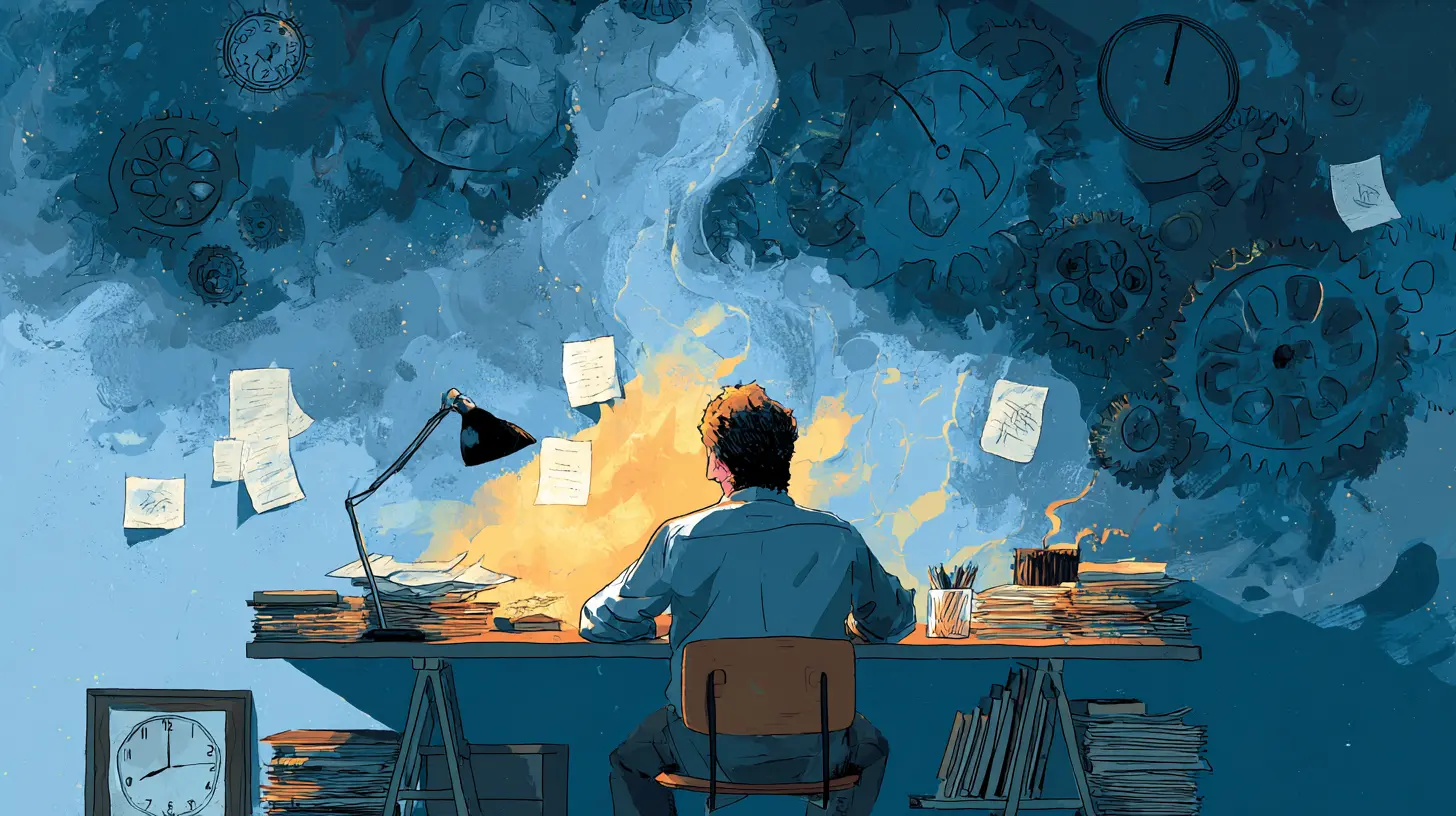
The Procrastination Puzzle: What Makes Us Delay?
The Science Behind Procrastination
Procrastination isn’t just about being lazy. It’s a complex psychological behavior influenced by various factors. According to research, procrastination can stem from fear of failure, perfectionism, and even low self-esteem. When faced with overwhelming tasks, our brains often choose the easier path, which, unfortunately, is usually the path of least resistance—or Netflix.Emotional Regulation and Its Role
Procrastination can also be a way for us to cope with our emotions. Let’s say you’re staring at a daunting project. Instead of tackling it, you might scroll through social media to avoid feelings of anxiety or inadequacy. This emotional regulation might seem helpful in the short term, but it’s a slippery slope. Before you know it, you're scrambling to meet deadlines.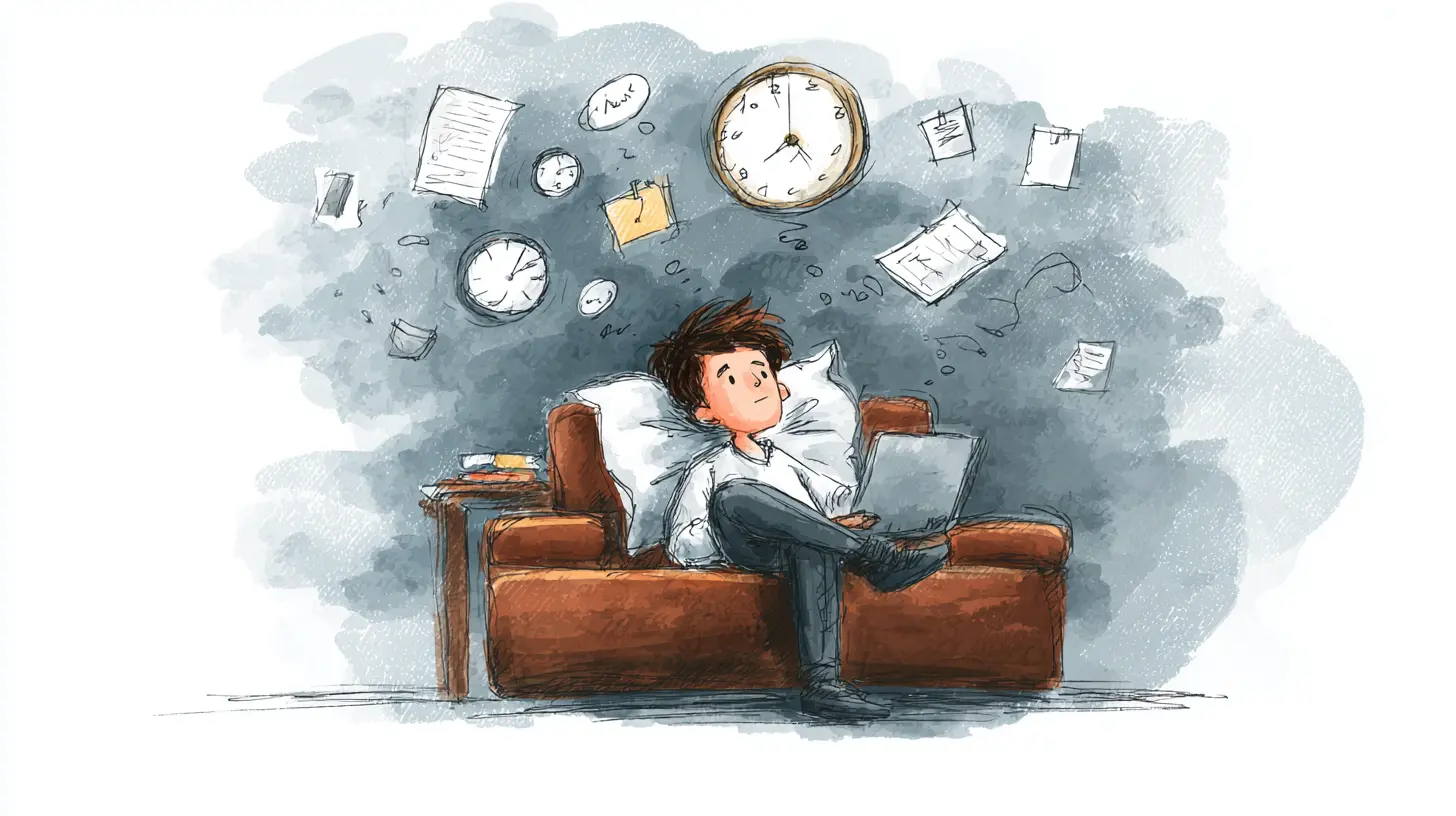
Why Procrastination Will Stick Around
The Familiarity of Habits
As we approach 2026, it’s crucial to recognize that habits are hard to break. If you’ve been putting things off for years, why would 2026 be any different? Our brains are wired to prefer patterns, and procrastination can easily become a default mode. If you want to change this, you need to consciously work against your brain’s preferences.Technological Temptations
Let’s face it: technology isn’t doing us any favors. With countless distractions at our fingertips, it’s all too easy to lose track of time. Social media, games, and streaming services are designed to keep us engaged, making it harder to focus on the tasks we actually need to complete. If you think that by 2026, we’ll have figured out how to manage our time better with technology, think again. The distractions will only get more enticing.
Breaking the Cycle: What Can You Do Now?
Acknowledge Your Procrastination
The first step to overcoming procrastination is acknowledging it. Denying you have a problem won’t help anyone. Take a moment to reflect on your habits. Are there specific tasks that you consistently put off? Recognizing your triggers can help you formulate a plan to tackle them head-on.Set Clear Goals
Ever tried to aim for something vague like “I want to be healthier”? How did that work out for you? Probably not great, right? Setting specific, measurable goals is crucial. Instead of saying, “I’ll work on my project,” try “I’ll write 500 words every day until it’s finished.” This clarity gives you a roadmap, making the journey feel more achievable.Break Tasks into Manageable Chunks
Large tasks can feel overwhelming, leading to procrastination. Instead of looking at a massive project as one daunting task, break it into smaller, manageable chunks. For instance, if you have a report due, split it into sections. Tackle one section at a time, rewarding yourself with a small treat after completing each part. You’ll be amazed at how much easier it feels.Create a Schedule
A schedule can be your best friend when it comes to fighting procrastination. Write down when you plan to work on specific tasks, and stick to it. Treat your schedule like an important meeting—because it is! Block out time in your calendar, and don’t let distractions derail you.Identify Your Peak Productivity Times
Are you a morning person or a night owl? Understanding when you’re most productive can make a world of difference. If you’re at your peak in the morning, tackle the toughest tasks then. If you find your creative juices flowing late at night, save your most challenging work for that time. Adjusting your schedule according to your natural rhythms can help you get more done.Limit Distractions
Let’s face it, distractions are everywhere. To be more productive, create a workspace that minimizes interruptions. This might mean turning off notifications on your phone, using apps that block distracting websites, or even setting boundaries with housemates or family members during work hours. When your environment supports focus, you’ll be less likely to procrastinate.Use the Pomodoro Technique
Have you heard of the Pomodoro Technique? It’s a game-changer for those who struggle with procrastination. The idea is simple: work for 25 minutes, then take a 5-minute break. After four sessions, take a longer break. This technique helps maintain focus while preventing burnout. Plus, knowing you only have to work for a short burst can make it easier to get started.Find an Accountability Partner
Sometimes, all you need is a little push from someone else. Find a friend, colleague, or family member who can hold you accountable for your goals. Share what you’re working on and check in with each other regularly. Knowing someone else is rooting for you can be a powerful motivator to stay on track.Embrace Imperfection
Perfectionism is a sneaky trap that can lead to procrastination. If you’re waiting for the perfect moment or for everything to be just right, you’ll be waiting forever. Accept that it’s okay to produce work that isn’t perfect. The important thing is to get started and make progress. You can always refine your work later.
The Power of Mindfulness
Practice Mindfulness Techniques
Incorporating mindfulness into your daily routine can help combat procrastination. When you’re mindful, you become more aware of your thoughts and feelings, enabling you to recognize when you’re about to procrastinate. Techniques like meditation or deep breathing can help you stay grounded.Visualization
Visualization can be a powerful tool to overcome procrastination. Picture yourself completing a task and how great it will feel. This mental imagery can create a sense of motivation and excitement, pushing you to take action.Staying Motivated in 2026 and Beyond
Celebrate Small Wins
Every little victory counts. When you complete a task or reach a milestone, take a moment to celebrate. This could be as simple as treating yourself to a favorite snack or taking a stroll outside. Acknowledging your progress can help you stay motivated.Stay Flexible
Life is unpredictable, and sometimes plans change. If you find yourself slipping back into procrastination, don’t beat yourself up. Instead, reassess your goals and strategies. Flexibility is key to long-term success.Continuous Learning
As we approach 2026, remember that every day is a new opportunity to learn and grow. Continuously seek out new strategies and techniques to improve your productivity. There are countless resources available, from books to online courses, that can provide fresh perspectives on combating procrastination.Reflect and Adjust
Regularly take time to reflect on your habits and progress. What’s working for you? What isn’t? Adjust your strategies as needed. This ongoing reflection can help you stay on top of your game and prevent old habits from creeping back in.
Conclusion
Procrastination is a challenge that many of us will likely face as we move toward 2026 and beyond. But it doesn’t have to be your constant companion. By understanding the roots of your procrastination and implementing practical strategies, you can build a more productive future. Remember, it’s all about making small changes that lead to big results. So, why wait? Start today and take control of your time!all images in this post were generated using AI tools
Category:
Procrastination SolutionsAuthor:

Jenna Richardson
Discussion
rate this article
2 comments
Eva McKeever
This article offers great insights into procrastination. Implementing the suggested strategies could truly help shift your mindset and improve productivity in 2026.
September 21, 2026 at 3:01 AM
Jenna Richardson
Thanks for your thoughts! I'm glad you found the insights useful. Taking action on those strategies can really make a difference.
Diesel Taylor
Procrastination often stems from fear and perfectionism; understanding these roots can empower lasting change and foster a more productive future.
April 28, 2026 at 3:50 AM
Jenna Richardson
Absolutely, recognizing the underlying fears and perfectionism is key. Only then can we truly move forward and break the cycle of procrastination.