How to Cultivate a Growth Mindset for Better Mental Health
23 June 2026
Ever feel like your mind is stuck in a loop of self-doubt, negativity, or helplessness? You’re not alone. We’ve all been there — second-guessing every move, fearing failure, and feeling like we’re just... not good enough. But what if I told you there’s a way to rewire your brain to think differently? A way that not only improves your confidence but your mental health too?
Welcome to the world of the growth mindset.
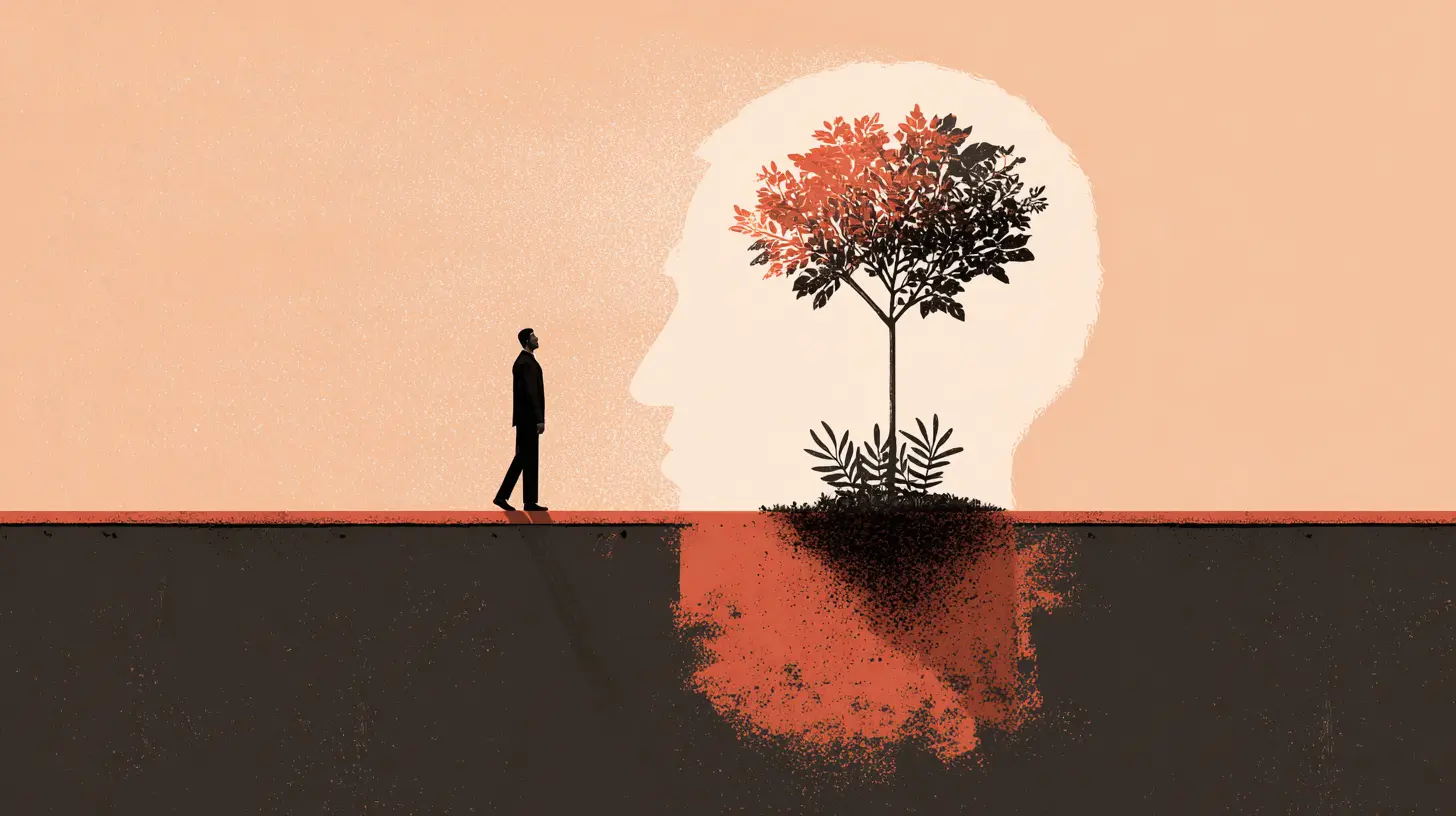
What Is a Growth Mindset, Really?
Let’s break it down.A growth mindset is the belief that your abilities, intelligence, and personality traits can be developed through effort, learning, and persistence. It’s the opposite of a fixed mindset, where you believe things like “I’m just not good at math” or “I’m not a people person” are permanent traits.
Think about it: If you believe you can grow, you’re more likely to take on challenges, bounce back from setbacks, and keep going even when things get tough.
That kind of mentality? It’s rocket fuel for your mental health.

Why Your Mindset Matters for Mental Health
Your mindset is like the lens through which you see the world. If the lens is cracked or foggy, everything looks bleak. But if it’s clear and focused, you’ll see possibilities even in tough times.A growth mindset helps you:
- Cope better with stress
- Improve self-esteem
- Enhance motivation
- Bounce back from failure
- Build stronger relationships
Sound like a superpower? It kinda is.
But here’s the good news: You don’t have to be born with it — you can cultivate it.
Let’s dive into how.
1. Start by Noticing Your Internal Dialogue
We all have that voice in our head. Sometimes it cheers us on, and other times… well, it can be brutal.You know the one:
- “I’ll never be good at this.”
- “Why even try?”
- “Everyone else is better than me.”
That’s your fixed mindset talking. The first step to cultivating a growth mindset is becoming aware of those thoughts.
Try This:
Next time you catch yourself thinking in absolutes — like “always,” “never,” or “can’t” — pause and reframe that thought.Instead of: “I can’t do this.”
Say: “I can’t do this yet.”
That tiny word, yet, carries a world of possibility.
2. Embrace Challenges Like a Workout for Your Brain
Picture this: When you're at the gym, and your muscles start burning, that’s actually a sign you’re getting stronger.The same goes for your brain.
When you face something difficult, your brain is growing — literally. Neuroplasticity is the brain's ability to form new neural connections. So every time you push through something hard, you’re laying down new pathways.
Ask Yourself:
- What can I learn from this challenge?- How has a past struggle helped me grow?
Don’t shy away from hard things. They’re the training grounds of growth.
3. Redefine Failure as Feedback
Let’s be real: Failure hurts.Whether it’s bombing a job interview or having a relationship fall apart, failure can feel like a punch to the gut. But here’s the twist — failure isn’t the end. It’s feedback.
A growth mindset sees setbacks as stepping stones.
Think About It:
Every successful person you admire? They’ve all failed — probably more times than you know.What sets them apart is that they didn’t stop. They learned, adjusted, and tried again.
So instead of asking, “Why did this happen to me?” try asking, “What is this trying to teach me?”
4. Celebrate Progress — Not Just Perfection
We live in a culture obsessed with perfection. But here’s the thing — perfection is a moving target. You never quite get there.That’s why it’s so important to celebrate progress.
Every small step you take toward change matters. Whether you finally made that therapy appointment, journaled for five minutes, or got out of bed on a tough day — that counts.
Try This:
At the end of each week, write down three things you did that showed growth — no matter how small. You’ll be surprised at how much you’re actually evolving.5. Surround Yourself with Growth-Minded People
You’ve probably heard the saying, “You’re the average of the five people you spend the most time with.” There’s truth to that.If the people around you are constantly complaining, stuck in negativity, or not working on themselves, that energy will rub off on you.
But when you’re around people who are learning, growing, and pushing themselves — it’s contagious.
Ask Yourself:
- Who lifts me up?- Who challenges me to be better?
- Who supports my growth?
If your current circle isn’t cutting it, it might be time to expand your tribe.
6. Practice Self-Compassion (Yes, It’s a Skill)
Cultivating a growth mindset isn’t about being hard on yourself or pushing through at all costs. It’s about being kind to yourself as you grow.That means giving yourself grace when you mess up. Talking to yourself like you would a friend. Letting go of guilt and shame that hold you back.
Quick Reminder:
Growth isn't linear. Some days will be three steps forward, two steps back. That’s okay. You’re still moving.7. Use Affirmations to Rewire Your Brain
Affirmations sometimes get a bad rap. But done right, they’re powerful tools to help shift your inner dialogue.You can't control your first thought, but you can shape your second.
By repeating uplifting, growth-oriented affirmations, you start to create new neural pathways that support a healthier mindset.
A Few to Get You Started:
- “I grow stronger with every challenge I face.”- “I have the power to change my story.”
- “I choose progress over perfection.”
Say them. Write them. Live them.
8. Take Action — Even When You're Not Ready
Let’s bust a myth: You don’t need to feel 100% confident before you start something.Often, action comes before confidence — not the other way around.
A growth mindset thrives on doing. When you act even while scared, uncertain, or unsure, you build resilience. And over time, that courage compounds.
Pro Tip:
Pick one tiny action daily that stretches you. It could be speaking up in a meeting, posting your art online, or asking someone for support.Small steps lead to massive shifts.
9. Reflect Regularly on Your Journey
One of the most satisfying parts of growth is looking back and realizing how far you’ve come.But if you never pause to reflect, you miss that magic.
Regular reflection helps you:
- Notice patterns
- Celebrate wins
- Identify areas for growth
- Stay grounded in your “why”
Try This:
Keep a journal (physical or digital — whatever works for you). At the end of each month, write:- What did I learn?
- What challenged me?
- Where did I grow?
Reflection turns experience into wisdom.
10. Feed Your Mind with Growth-Oriented Content
Whatever you feed your mind, it will absorb.So be intentional.
Read books that expand your mindset. Follow social media accounts that inspire growth. Watch TED Talks that challenge your thinking. Listen to podcasts that empower you.
You’re the gatekeeper of your mind. Choose your inputs wisely.
Book Suggestions:
- Mindset by Carol Dweck- Atomic Habits by James Clear
- The Gifts of Imperfection by Brené Brown
How Growth Mindset and Mental Health Work Together
Here’s the beautiful part: When you start developing a growth mindset, your mental health naturally improves.Why?
Because you start seeing tough emotions as temporary.
Because you start feeling more in control of your life.
Because you stop defining yourself by your worst day.
You begin to live from possibility — not limitation.
Final Thoughts: Your Mind is Like a Garden
Let’s end with a metaphor (I love a good metaphor).Your mind is a garden. A fixed mindset lets the weeds grow unchecked — thoughts of doubt, fear, unworthiness.
But when you cultivate a growth mindset, you plant seeds of hope, curiosity, and resilience. And with daily care, those seeds bloom into something beautiful.
So water your garden.
One thought at a time.
One action at a time.
One day at a time.
Your mental health — and your future self — will thank you for it.
all images in this post were generated using AI tools
Category:
Mental Health EducationAuthor:

Jenna Richardson
Discussion
rate this article
1 comments
Onyx Pratt
This article offers valuable insights into developing a growth mindset, emphasizing the importance of self-compassion and resilience. By embracing challenges and viewing failures as learning opportunities, we can enhance our mental health. Practical tips make it easy to apply these concepts in everyday life. A must-read for personal growth!
June 26, 2026 at 4:43 AM
Jenna Richardson
Thanks for your thoughtful comment! I'm glad you found the insights helpful. Embracing challenges really does make a difference in our growth journey.