Living with Bipolar Disorder: Real Stories from Survivors
17 February 2026
Bipolar disorder isn't just a mood swing. It's more like riding a rollercoaster—without knowing when the next drop or climb is coming. But here's the thing: millions of people around the world are living with it, surviving it, and even thriving despite it.
In this article, we’ll walk through the lived experiences of real people with bipolar disorder. We’ll explore how it affects daily life, relationships, and mental health—and most importantly, how survivors find resilience in the chaos.
Let’s shine a light on what life with bipolar really looks like, from the inside out.
What Is Bipolar Disorder, Really?
Most people know bipolar disorder as a condition involving mood swings. True, but there’s more to it. Think of it like a seesaw of emotional extremes—high highs (mania or hypomania) and low lows (depression). And they’re not just “good mood” or “bad mood” days.There are two main types:
- Bipolar I: Includes full manic episodes that may require hospitalization and often deep depression.
- Bipolar II: Involves hypomania (a milder form of mania) and severe depressive episodes.
Each person’s journey is different. Some have rapid cycling (switching moods quickly), while others experience long periods of stability in between episodes.
The Struggle is Real: A Peek into Daily Life
Life with bipolar disorder isn’t predictable. One minute, you’re full of energy, starting a dozen projects, sleeping less, maybe speaking a mile a minute. The next? You're in bed, struggling to brush your teeth, feeling like the world is crashing down.This unpredictability can mess with your job, your relationships, and even your sense of identity.
But how does this actually feel for someone who lives it?
Let’s hear directly from the people who’ve lived through it.
Emily’s Story: “I Thought My Joy Was Just Who I Was”
Emily was always the life of the party. Energetic, creative, spontaneous. In college, she would stay up for days painting, writing poetry, and reorganizing her entire apartment. Her friends thought it was just a quirky part of her personality.But then came the crash.
> “I couldn’t get out of bed. Everything I made during my highs looked like nonsense in the light of day. I felt ashamed. Like I had tricked people into thinking I was someone I wasn’t.”
She was diagnosed with bipolar II disorder at age 25. At first, she felt broken, afraid that the label meant she’d never be “herself” again. But over time, therapy and medication helped her find some balance.
> “I still have highs and lows. But I now know how to manage them. I’ve learned to love the full version of me—not just the happy parts.”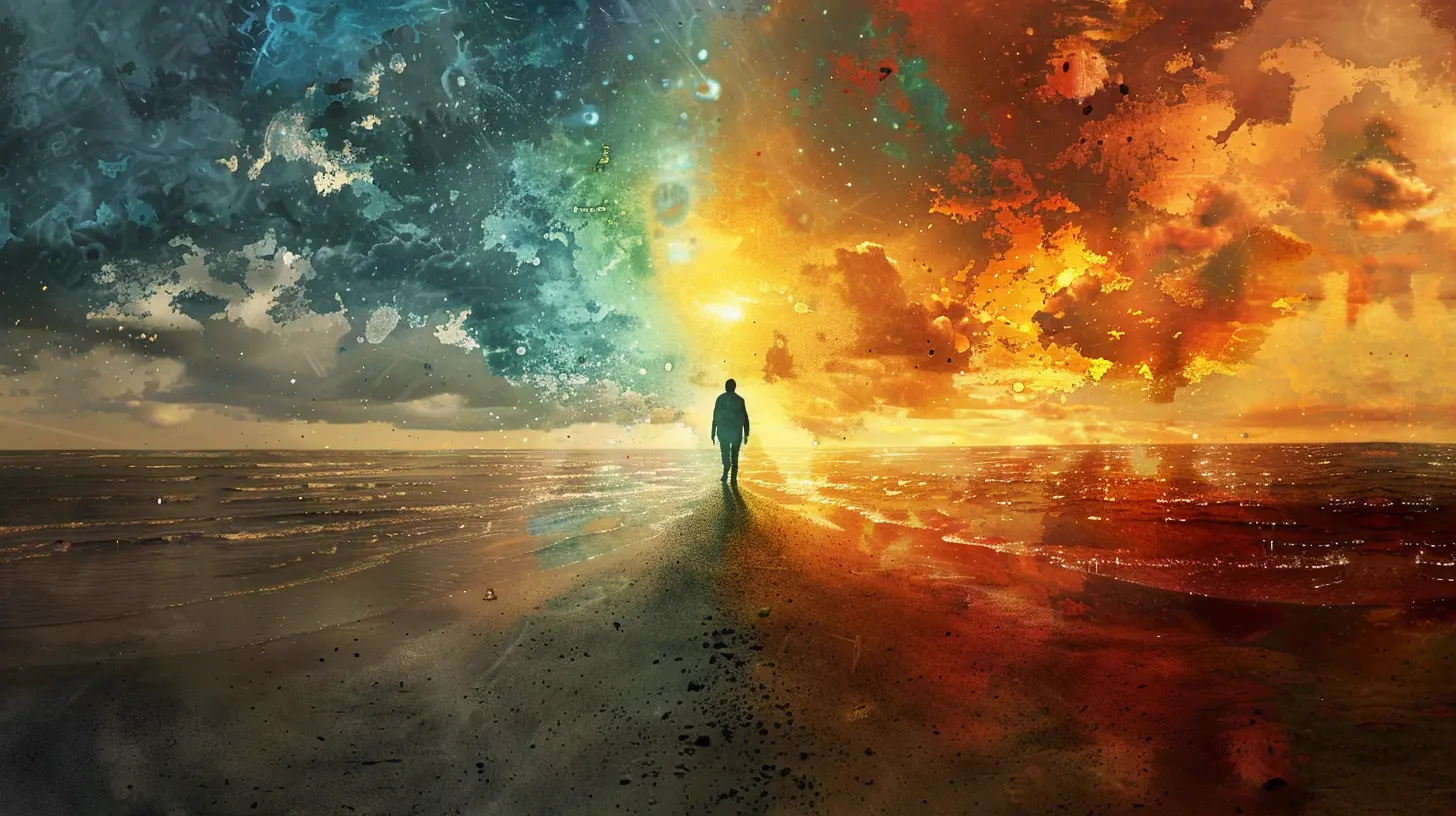
Jake’s Journey: “From Mania to Mayhem and Back Again”
Jake’s manic episodes were intense. He’d spend thousands on things he didn’t need, convinced he was on the verge of becoming a millionaire entrepreneur. He once flew across the country on a whim to start a new "business idea"—one he couldn’t recall three days later.> “It felt like I was on fire. Like I could do anything. But inevitably, it always ended with a crash. I’d be left broke, confused, and deeply depressed.”
After multiple hospitalizations, Jake finally got the right diagnosis: bipolar I disorder.
> “Getting stable wasn’t easy. It’s still not. But man, getting the right help saved my life.”
Now, Jake works as a peer counselor, helping others walk the path he once stumbled through.
Mental Health Misconceptions: More Than the Stereotypes
Let’s be real for a second—bipolar disorder is one of the most misunderstood mental illnesses out there.Ever heard someone say: “Ugh, she’s so bipolar!” after someone changes their mind or mood?
Yeah, we’ve all heard that. But this kind of casual talk just feeds the stigma.
People with bipolar aren’t unpredictable monsters or ticking time bombs. They’re friends, parents, co-workers, neighbors—living real, complex lives while managing a very real brain disorder.
Finding Hope in Healing: How Survivors Cope
So, how do people live with something as intense and unpredictable as bipolar disorder? There's no one-size-fits-all answer, but here are some tools that real survivors swear by:1. Medication (But It’s Not Magic)
For many, mood stabilizers, antipsychotics, and antidepressants help bring balance. But medication is tricky—what works for one person might make another feel worse.> “It took me years to find the right meds,” says Jake. “It’s like tuning a guitar. You have to keep adjusting.”
2. Therapy: A Mirror to the Mind
Cognitive Behavioral Therapy (CBT), Dialectical Behavior Therapy (DBT), and even group therapy can help people identify triggers and build coping skills. Therapy offers a safe space—like a mental gym—where people can process experiences and build resilience.3. Support Systems
Family, friends, support groups—they matter more than we realize. Having folks who understand (or at least try to) can make the difference between isolation and healing.4. Routine and Self-Care
For survivors, routine isn’t just helpful—it's vital. Regular sleep, consistent meals, and daily habits act as anchors in the storm.> “My morning coffee, meditation, and journaling keep me grounded,” Emily shares. “I treat it like mental maintenance.”
The Social Side of Bipolar: Relationships, Work, and Identity
Romantic Relationships: When Love Meets Mood Swings
Dating with bipolar? Not easy. It often requires honesty, communication, and lots of patience on both sides.> “I used to hide my diagnosis from partners,” says Emily. “But it always hurt me in the long run. Now, I’m upfront. If someone can’t handle it, they’re probably not my person.”
Workplace Woes and Wins
Holding down a job comes with its challenges. Mood shifts can affect concentration, energy, and interactions. But many survivors say disclosure (when done carefully) can lead to real understanding and accommodations.> “I’ve had bosses who didn’t get it—and ones who fully supported me. That made all the difference,” Jake shares.
Identity: More Than a Diagnosis
Living with bipolar doesn’t mean you are bipolar. That’s a key distinction.It’s part of you, sure—but it doesn’t define you.
Real Talk: Life Doesn’t Have to Be Perfect to Be Good
The truth? Bipolar disorder isn’t something you "cure." It’s something you manage. It’s a lifelong balancing act—but that doesn’t mean life can’t be rich, joyful, and meaningful.Survivors of bipolar disorder aren’t just “hanging on.” They're laughing, creating, achieving, connecting. They’re living. Fully. Honestly. Bravely.
> “I don’t want to be seen only for my diagnosis,” Jake adds. “I want to be seen for my comeback story.”
And that’s what makes these stories so powerful. They’re not about suffering—they’re about strength.
For Those Struggling Right Now...
If you’ve been diagnosed with bipolar disorder—or think you might be struggling with it—know this: You’re not alone. You’re not broken. And help is out there.Reach out. Talk to a therapist. Call a helpline. Open up to someone you trust.
Living with bipolar isn’t easy—but it is possible. And the first step? It starts with believing that your story matters.
Final Thoughts: Bravery in the Everyday
Living with bipolar disorder is like walking through life with a thunderstorm in your mind—one that can clear just as quickly as it rolls in. But amid the chaos, there’s courage. In every medication taken, every therapy session attended, every honest conversation had—there’s incredible bravery.So here’s to the survivors. The warriors. The ones who ride the waves and still find the strength to smile.
Your story, your survival—it matters. And it’s worth telling.
all images in this post were generated using AI tools
Category:
Bipolar DisorderAuthor:

Jenna Richardson
Discussion
rate this article
2 comments
Parisa McRae
This article offers invaluable insights and hope, showcasing the resilience of those living with bipolar disorder. Powerful stories that inspire understanding!
February 26, 2026 at 6:00 PM
Jenna Richardson
Thank you for your kind words! I'm glad the stories resonated with you and shed light on resilience.
Nadine Sanchez
Within the shadows of bipolar disorder, tales of resilience hide profound truths. What unseen battles shape the narratives of these brave survivors?
February 18, 2026 at 5:56 PM
Jenna Richardson
Thank you for your insightful comment! The unseen battles of resilience often reveal the strength and hope that define these survivors' journeys, showcasing their incredible ability to navigate life's challenges.