How Procrastination Will Evolve by 2026 and What You Can Do About It
19 April 2026
Let’s be honest, we’ve all been there. That report is due Friday, but here you are on Wednesday, suddenly fascinated by the history of paperclips or reorganizing your spice rack by color. Procrastination isn’t new—it’s as old as the first caveman who said, “I’ll paint the mammoth on the wall tomorrow.” But just like everything else in our whirlwind world, the art of putting things off is getting a major, tech-driven upgrade. By 2026, procrastination won’t just be about avoiding tasks; it will be a complex dance with our digital environments, our brain chemistry, and new forms of pressure we’re only just beginning to understand.
So, grab a cup of coffee (maybe you’re procrastinating right now?), and let’s take a joyful, curious look into the future. What will procrastination look like in just a couple of years, and more importantly, how can we not just cope, but thrive?
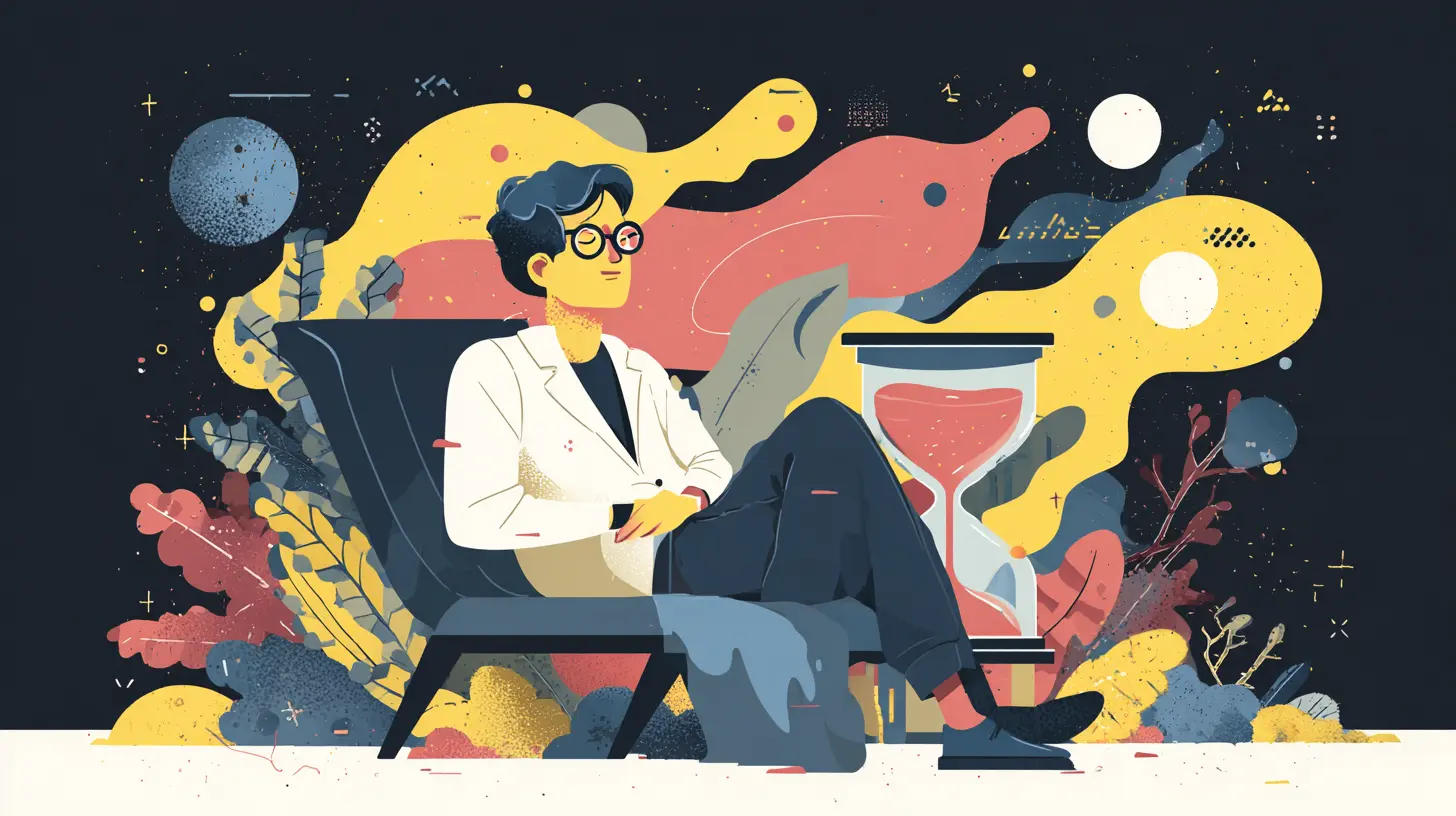
The Perfect Storm: Why Procrastination is Morphing
Think of procrastination like a weed. It’s always existed, but now we’re pouring high-tech fertilizer on it. Our brains haven’t evolved much since we were on the savannah, but our world has become a hyper-connected, algorithm-driven playground. This mismatch is the engine of modern procrastination.Our ancient brains are wired for immediate rewards and threat avoidance. That “ding” from a social media like? Immediate reward. That complex, long-term project that causes a twinge of anxiety? The brain sees it as a vague threat and says, “Let’s avoid that and get another ‘ding’ instead.” It’s not you being lazy; it’s your primal software running on 21st-century hardware.
By 2026, this clash will only intensify. But to navigate it, we first need to see the new shapes procrastination is taking.

The New Faces of Delay: Procrastination 2.0
Gone are the days when procrastination meant simply watching TV instead of doing homework. The digital age has birthed sophisticated, sneaky new variants. Let’s meet the culprits.1. The Algorithmic Rabbit Hole
This is perhaps the most potent form. You open your laptop to work, but a news alert pops up. You click, and the platform’s algorithm, designed to maximize engagement, serves you another tantalizing piece of content. Then another. And another. Before you know it, you’ve spent 45 minutes watching videos about urban beekeeping instead of drafting your proposal. By 2026, these algorithms will be even more personalized, more persuasive, and more invisible. They won’t feel like distractions; they’ll feel like a natural flow of “productive” or “educational” browsing. The line between research and procrastination will blur into oblivion.2. Productive Procrastination (The Sneaky One)
This is the master of disguise. You’re not not working—you’re just doing different work. Cleaning your entire desk, color-coding your digital files, planning a detailed workout schedule for the next month… all while the most important, mentally taxing task sits untouched. It feels good because you’re being productive! But it’s a trap. By 2026, with more tools for self-organization and productivity porn at our fingertips, this form will explode. We’ll be busy optimizing the process of work to avoid the heart of the work.3. The Comparison Paralysis Loop
Social media and professional networks like LinkedIn are breeding grounds for this. You log on for a “quick break” and are immediately bombarded with highlights of everyone else’s success: finished projects, promotions, flawless lives. This triggers a sense of inadequacy and anxiety. “My work will never be that good,” your brain whispers. So, you shut down and avoid starting, trapped in a loop of comparison and inaction. As these platforms evolve toward more immersive, realistic content (think VR meetings and 3D portfolios), this paralysis could deepen, making our own efforts feel insignificant before we even begin.4. Digital Overwhelm & Decision Fatigue
We have more tools, more information, and more communication channels than ever. Simply deciding where to start a project—Which app? Which document? Should I message my colleague first?—can be so exhausting that we choose to do nothing instead. By 2026, with the integration of AI assistants and even more platforms, the initial cognitive load to begin will be a significant procrastination trigger. It’s like standing in front of a wall of 100 identical doors; the pressure to choose the “right” one first can be paralyzing.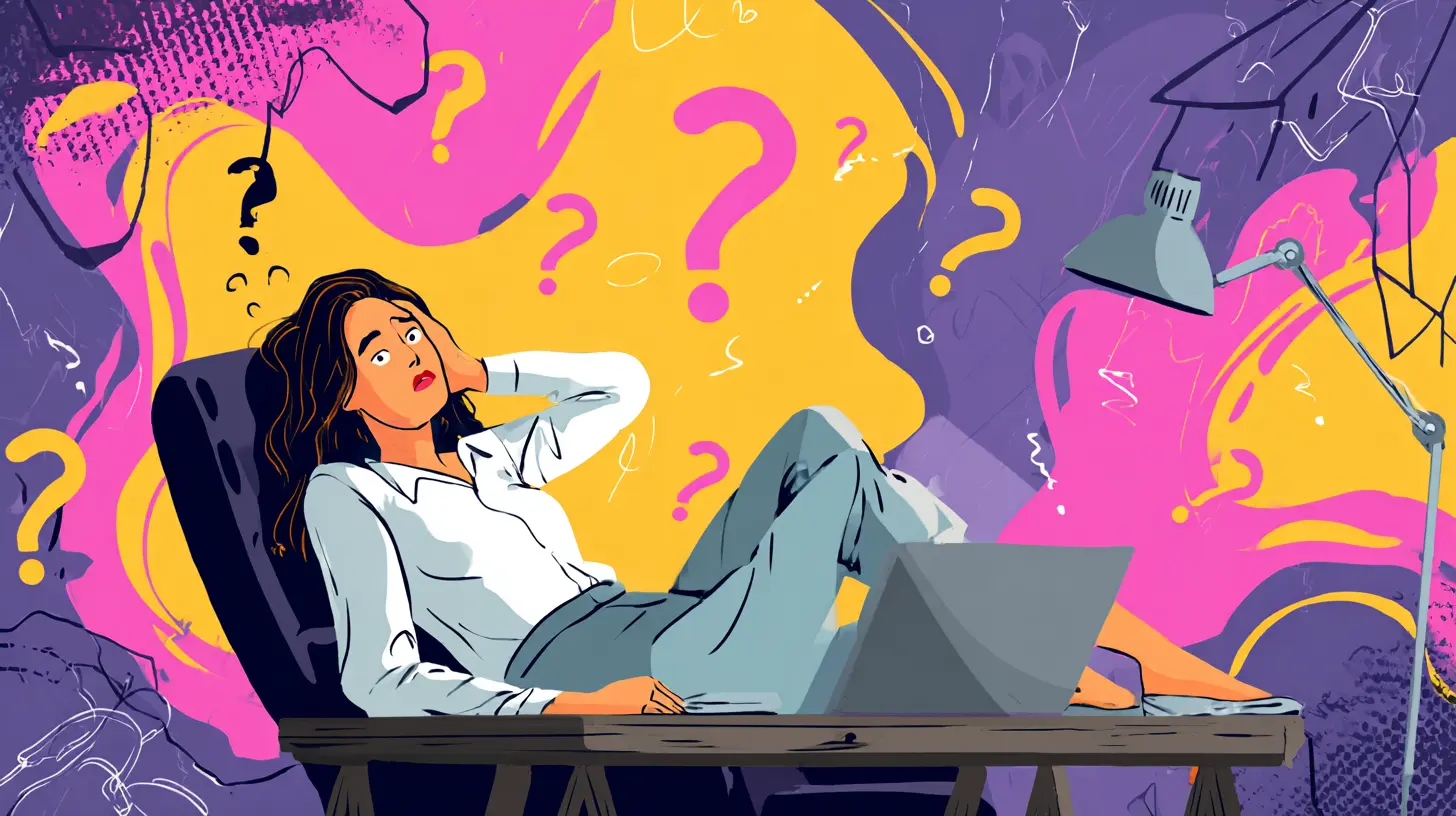
The 2026 Procrastination Landscape: A Glimpse Ahead
So, pulling these threads together, what’s the forecast? Imagine a world where your smartwatch nags you to meditate while your smart fridge suggests recipes, your work Slack pings, and a holographic to-do list floats in your peripheral vision. The noise is constant.Procrastination will become less about not doing and more about context-switching at a pathological rate. Our focus will be so fragmented that sustained effort on a single challenging task will feel like trying to hold water in your hands. Furthermore, AI tools, while promising efficiency, might become enablers. Why write the first draft when an AI can? But then you procrastinate on editing the AI’s draft because it feels less creative, less yours.
The emotional flavor will shift too. It won’t just be guilt or laziness; it will be a deep-seated sense of cognitive exhaustion and digital resignation. “The world is too fast, the tools too smart, so why even try to keep up?” This is the mindset we must proactively combat.
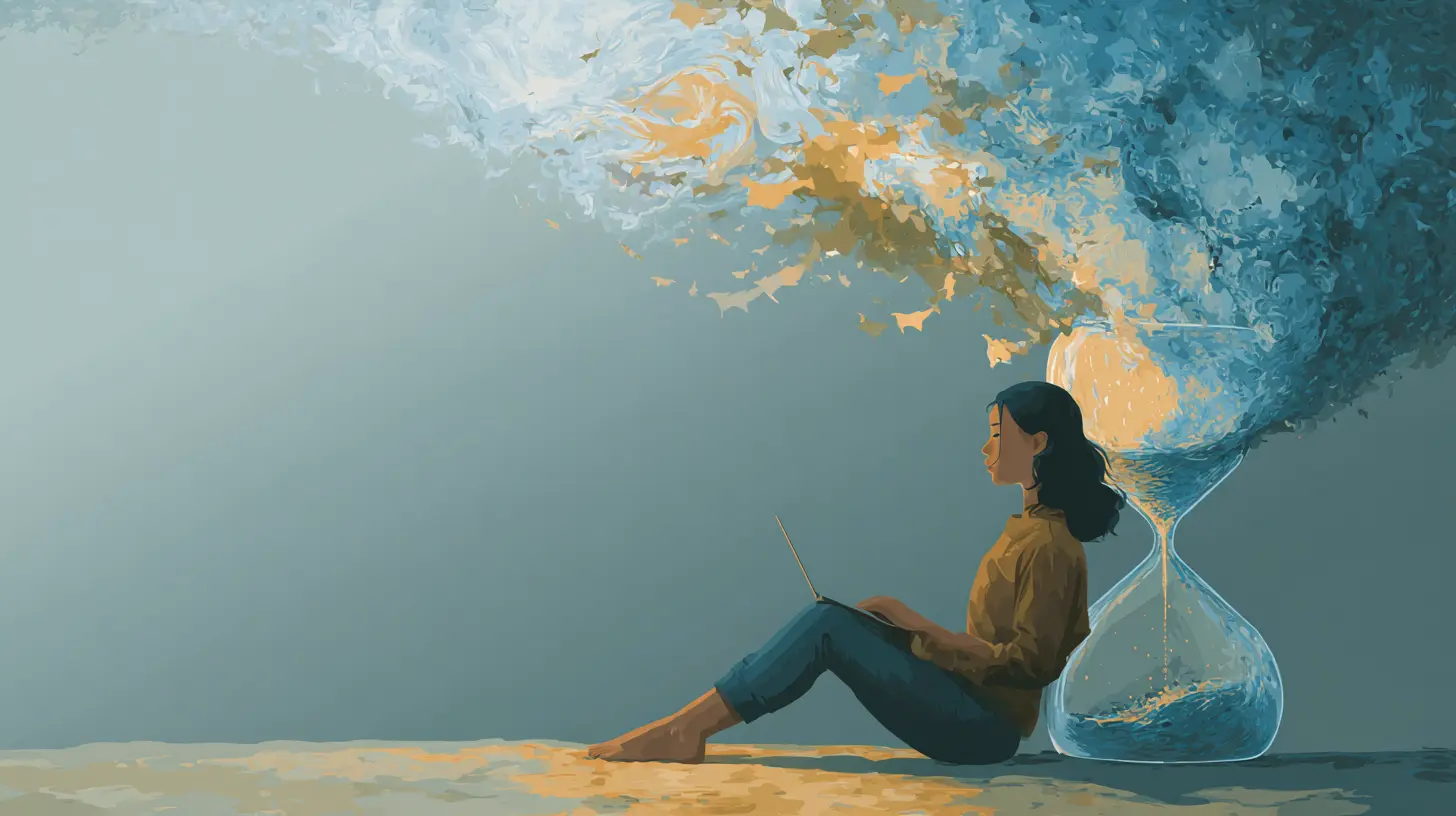
Your Anti-Procrastination Toolkit for 2026 (Start Building It Today!)
Now for the good part! The future isn’t set in stone. We can build psychological and practical shields now to thrive in 2026. Think of this as future-proofing your focus.1. Master Your Digital Environment (Be the Architect)
You wouldn’t let a stranger rearrange your physical desk, so why let algorithms control your digital one? By 2026, taking control will be a superpower.Aggressively Curate: Turn off all non-essential notifications. Use website blockers during deep work sessions. Make your devices work for you*, not for the attention economy.
* Embrace Single-Tasking Modes: Use features like “Focus Mode” on steroids. Schedule specific, sacred times for specific types of work. During this time, only one application is allowed. It’s like building a quiet room in a noisy mansion.
2. Redefine "Productivity" and Embrace "Deep Play"
We must break the association of busyness with worth. Productive procrastination thrives on this lie.* Time-Block for Priorities: Schedule your most important task (MIT) first thing in the day, in a protected block. Treat this appointment with yourself as immovable.
* Schedule Guilt-Free Breaks: Paradoxically, scheduling procrastination disarms it. Give yourself 20 minutes of intentional, joyful scrolling or rabbit-hole diving. When the timer goes off, you transition back without the guilt, because it was planned. This satisfies the brain’s craving for novelty without letting it hijack your day.
3. Hack the Start: The 5-Minute Miracle
The biggest hurdle is often starting. The future will try to make that hurdle look like a mountain.* Use the 5-Minute Rule: Commit to working on the dreaded task for just five minutes. Anyone can do five minutes. Often, the act of starting breaks the initial resistance, and you’ll find yourself continuing. It’s like pushing a boulder; the initial push takes immense energy, but once it’s rolling, momentum takes over.
4. Cultivate Analog Anchors
In a digital world, analog activities become grounding rituals.* Handwrite Your To-Do List: The physical act of writing engages the brain differently and provides a tangible, focused starting point.
* Use a Physical Timer: Instead of your phone, use a kitchen timer for your work blocks. It removes the temptation of the very device that distracts you.
* Embrace Boredom: Allow yourself moments with no stimulation—no phone, no podcast, just you and your thoughts. This is where creativity sparks and your brain resets its reward pathways.
5. Foster Self-Compassion, Not Self-Flagellation
The old model of beating ourselves up for procrastinating only creates more anxiety, which fuels more procrastination. It’s a vicious cycle.* Talk to Yourself Like a Friend: When you catch yourself procrastinating, gently ask, “What’s going on? Is this task too vague? Am I afraid of failing?” This curious, compassionate approach addresses the root cause, not just the symptom.
* Celebrate Micro-Wins: Finished that five-minute start? Celebrate it! Wrote one paragraph? That’s a win. By 2026, training our brain to recognize progress, not just perfection, will be essential for mental well-being.
The Joyful Conclusion: Procrastination as a Messenger
By 2026, procrastination will be less of a character flaw and more of a sophisticated system alert. It’s your brain’s way of flashing a check-engine light. It might be saying, “This task is too ambiguous,” “You’re overwhelmed,” “You’re afraid of the outcome,” or “You need a genuine break.”The goal isn’t to eradicate procrastination—that’s likely impossible. The goal is to become a savvy interpreter of its signals. We can build lives and systems that make meaningful work more inviting than the digital rabbit hole. We can design our days so that starting is easy and focus is protected.
So, look ahead to 2026 not with dread, but with excitement. You have the power to understand these evolving challenges and equip yourself with timeless psychological tools. The future of focus is yours to write. And you can start… well, maybe after you finish this article. See? The journey begins with a single, aware, and joyful step.
all images in this post were generated using AI tools
Category:
Procrastination SolutionsAuthor:

Jenna Richardson
Discussion
rate this article
2 comments
Phoenix Nelson
Interesting insights on procrastination. Practical strategies for overcoming it could be really valuable. Thanks!
September 20, 2026 at 2:47 AM
Bear Heath
This article sheds light on a crucial topic we all face. Understanding procrastination's evolution helps us tackle it more effectively. Thank you for sharing these insights and practical strategies-much needed!
May 5, 2026 at 3:54 AM
Jenna Richardson
I'm glad you found it insightful! Procrastination is a challenge for many, and understanding its evolution can really make a difference. Thanks for your feedback!