Depression and Creativity: A Complex Link
13 November 2026
Depression and creativity share a complicated relationship that has fascinated researchers, artists, and psychologists for decades. While many people associate creativity with joy and inspiration, it can also arise from deep emotional struggles, including depression. This article delves into the intricate connection between these two phenomena, examining how they influence each other, the potential benefits and pitfalls, and practical advice for those navigating this complex terrain.
Understanding Depression and Its Impact on Creativity
What is Depression?
Depression is a mental health condition marked by persistent sadness, loss of interest in activities, and a range of emotional and physical symptoms. It can manifest in various forms, including major depressive disorder, dysthymia, and seasonal affective disorder. Each of these types presents unique challenges, but they often share common features like feelings of hopelessness and difficulty concentrating.The Emotional Landscape of Creativity
Creativity is often defined as the ability to produce original ideas or artifacts. It encompasses various forms, including visual arts, writing, music, and problem-solving. Creativity involves accessing different cognitive processes, such as divergent thinking, which allows individuals to make connections that may not be immediately obvious.How Depression Influences Creativity
For some, depression can serve as a catalyst for creative expression. The intensity of emotional pain can lead individuals to explore their feelings through artistic outlets. Many artists find that their struggles provide depth and authenticity to their work, allowing them to connect with audiences on a profound level.The Duality of Pain and Expression
Consider the work of Vincent van Gogh. His paintings, vibrant and full of emotion, were inspired by his tumultuous mental state. The swirling skies of "Starry Night" resonate with his internal chaos, showcasing how personal suffering can lead to profound artistic expression. This duality suggests that while depression can inhibit creativity for some, it can also fuel it for others.
The Science Behind the Connection
Neurobiology of Creativity and Depression
Research has shown that certain brain areas are activated during creative thinking. The default mode network, responsible for daydreaming and self-referential thought, may be particularly active in individuals experiencing depression. This increased activation can lead to heightened introspection, which sometimes translates into creative output.The Role of Emotional Depth
Emotional depth is a significant factor in creativity. Individuals who experience a wide range of emotions may have a richer pool of experiences to draw from. This emotional complexity can result in more nuanced artistic expressions. For instance, writers often find that their best work emerges during periods of emotional turmoil, as they channel their struggles into their narratives.
The Benefits of Channeling Depression into Creativity
Finding Purpose and Meaning
Engaging in creative activities can provide a sense of purpose, especially during difficult times. Creating art, music, or literature allows individuals to externalize their feelings and experiences. This process can lead to self-discovery and healing, transforming pain into something meaningful.Building Resilience Through Expression
Creativity can also foster resilience. When individuals use art as a coping mechanism, they develop a healthier relationship with their emotions. This practice can serve as a form of therapy, helping to process feelings and reduce the severity of depressive symptoms.Real-World Examples
Consider the case of Sylvia Plath, whose poetry often reflected her struggles with depression. Plath's work resonated deeply with many readers, as she articulated the complexities of mental illness in a raw and honest manner. Her ability to channel her pain into art not only provided her with a creative outlet but also created a lasting impact on literature and mental health awareness.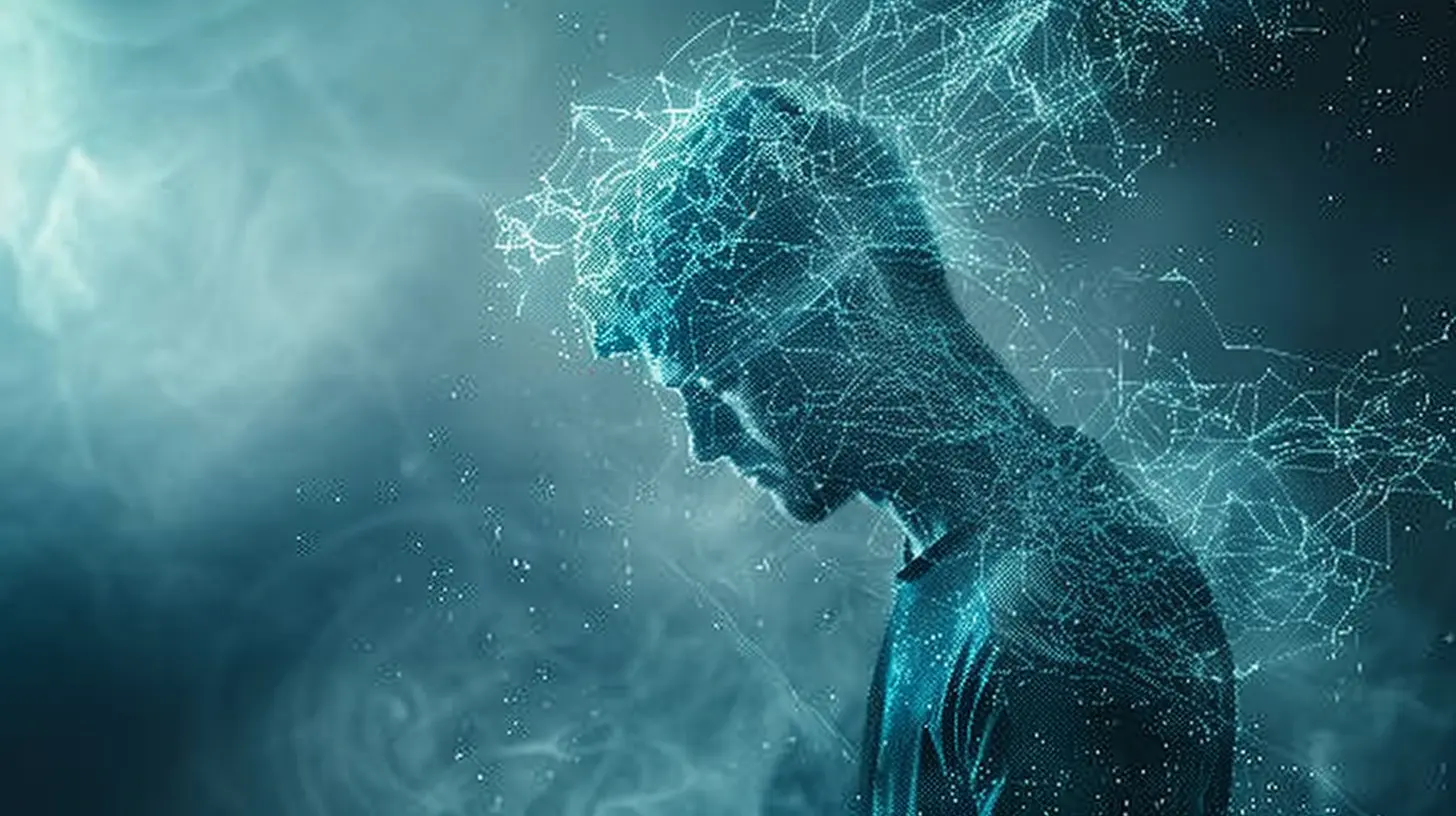
The Risks of Depression on Creativity
Creative Blocks and Inhibition
While depression can fuel creativity, it can also lead to significant creative blocks. Feelings of worthlessness and self-doubt can hinder an individual's ability to produce work. The pressure to create, especially in a society that often glorifies artistic output, can exacerbate these feelings, leading to a cycle of despair.Misconceptions About the "Tortured Artist"
There is a pervasive myth that all artists must suffer for their art. This stereotype can create unrealistic expectations for those facing mental health challenges. Believing that one must be deeply unhappy to produce great work can lead to a harmful mindset, preventing individuals from seeking help or pursuing other fulfilling paths.Practical Advice for Navigating the Link Between Depression and Creativity
Cultivating a Healthy Creative Practice
1. Set Realistic Goals: Instead of aiming for perfection, focus on small, achievable tasks. This approach can help alleviate pressure and encourage a more enjoyable creative process.2. Establish a Routine: Regular practice can help create a sense of stability. Consider setting aside specific times for creative work, even if it is just for a few minutes each day.
3. Use Creativity as a Tool for Self-Expression: Allow yourself to explore your emotions through your work. Journaling, painting, or composing music can serve as powerful outlets for processing feelings.
Seeking Support and Professional Help
1. Therapy and Counseling: Engaging with a mental health professional can provide valuable insights and coping strategies. Cognitive-behavioral therapy, in particular, can help address negative thought patterns that hinder creativity.2. Creative Communities: Connecting with others who share similar interests can foster inspiration and motivation. Consider joining a local art group, writing workshop, or online community.
3. Mindfulness and Self-Care: Incorporating mindfulness practices, such as meditation or yoga, can help manage stress and improve overall mental health. Prioritizing self-care is essential for maintaining a balanced life.
Balancing Creativity and Mental Health
Recognizing When to Step Back
It is crucial to recognize when creative endeavors may be negatively impacting mental health. If creating art becomes a source of stress or exacerbates depressive symptoms, it may be time to take a break. Prioritizing mental well-being is essential for long-term creativity.Embracing Different Creative Outlets
Sometimes, exploring new forms of creativity can reignite passion and inspiration. If writing feels heavy, try painting or playing an instrument. Each medium offers a unique way to express feelings and can help break through creative blocks.The Power of Collaboration
Collaborating with others can provide fresh perspectives and reduce feelings of isolation. Consider partnering with fellow artists or participating in group projects to share the creative process and support one another.Conclusion
The relationship between depression and creativity is complex and multifaceted. For some, depression can fuel artistic expression, while for others, it can stifle creativity. Understanding this dynamic allows individuals to navigate their emotional landscape more effectively and find ways to channel their experiences into meaningful creative work. By prioritizing mental health, seeking support, and cultivating a balanced creative practice, individuals can harness the power of both depression and creativity to enrich their lives and the lives of others.
all images in this post were generated using AI tools
Category:
Depression AwarenessAuthor:

Jenna Richardson