How Emotional Support Animals Improve Mental Health
26 July 2026
Let’s be honest—we all need a little help sometimes. Life gets messy, stress piles up, and our mental health can take a serious hit. But here’s some good news: emotional support animals (also known as ESAs) are becoming more recognized for the incredible impact they can have on our emotional well-being. And no, it’s not just about having a fluffy friend to snuggle with—though that definitely doesn’t hurt.
In this post, we’re diving deep into how emotional support animals improve mental health in real, meaningful ways. If you’ve ever felt calmer after petting a dog or noticed your anxiety dropping just by sitting next to a cat, you’re already halfway there in understanding the power of these incredible companions.

What Exactly Is an Emotional Support Animal?
First things first, let’s clear up a common misconception. Emotional support animals are not service animals. Service animals are trained to perform specific tasks for people with disabilities—like guiding the visually impaired or helping someone with mobility challenges. ESAs, on the other hand, don’t need specialized training.Their purpose? To simply be there for you.
An emotional support animal provides comfort, companionship, and emotional stability. Whether it's a dog, cat, bird, rabbit, or even a miniature horse (yep, that’s a thing), the key is the emotional bond they share with their human.
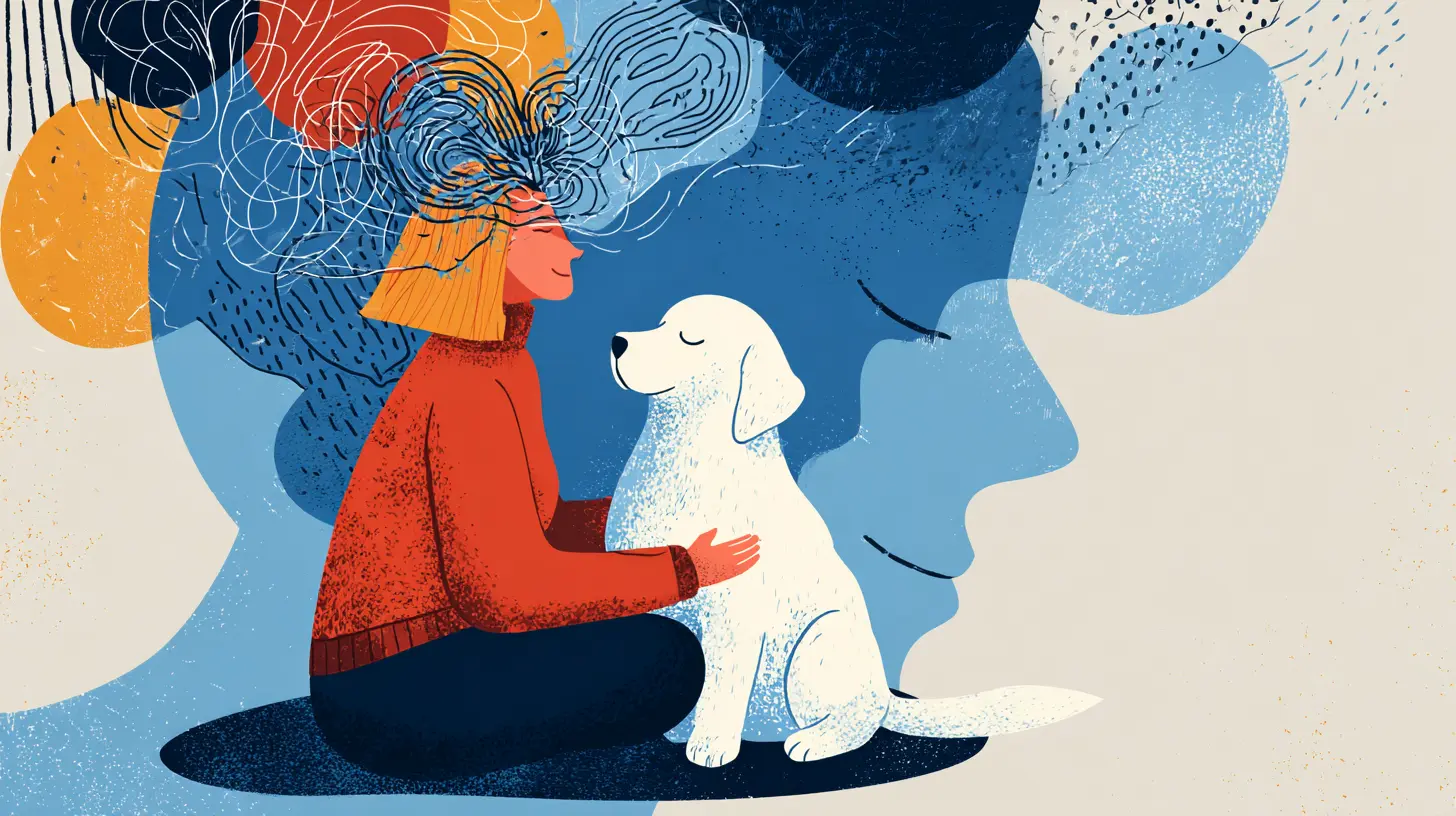
Why Are Emotional Support Animals So Effective?
Think about your favorite pet for a second. Now think about how they make you feel. Warm? Loved? Like everything might actually be okay for a moment? That’s exactly what ESAs are all about.So, why are they so effective in improving mental health? Let’s break it down.
1. They Reduce Stress and Anxiety
Ever notice how your heart rate slows when you’re petting your dog or stroking your cat’s fur? That’s not just in your head—it’s backed by science. Interacting with animals releases feel-good hormones like oxytocin and dopamine while reducing levels of cortisol, the stress hormone.Simply put: pets are furry stress relievers.
For people with anxiety disorders, PTSD, or chronic stress, having an ESA can provide a calming presence that grounds them during tough moments.
2. They Combat Loneliness
Loneliness can feel like a heavy weight sitting on your chest. It’s one of the most silent, but damaging, struggles when it comes to mental health. Emotional support animals can fill that gap with genuine companionship.They listen (without judgment), stay close when you’re feeling low, and offer affection when you need it the most. Being responsible for another living being also gives you purpose and structure—a beautiful (and often much-needed) mental health boost.
3. They Encourage Routine and Responsibility
When you’re in the middle of a depressive episode, even getting out of bed can feel like climbing a mountain. Enter: your ESA. They need to be fed, walked, cared for—and that means you’ve got to show up, too.This isn’t about pressure; it’s about motivation. Emotional support animals gently nudge you into a daily routine, which is especially helpful in managing conditions like depression, bipolar disorder, and anxiety.
They keep you accountable—but in the softest, cutest way imaginable.
4. They Provide Unconditional Love
You know what’s amazing? Your emotional support animal doesn’t care how messy your hair is, how anxious you feel, or whether or not you made it to therapy today. They just love you. Period.That kind of unconditional love is rare—and powerful. It can chip away at feelings of worthlessness and self-doubt that often accompany mental health struggles.
Your ESA doesn’t see your diagnosis; they see you.
5. They Help You Be Present
Anxiety loves to pull us into the future, while depression often drags us into the past. But animals? They live in the moment—and they help bring us there too.Whether you’re watching your dog chase a squirrel or laughing at your cat’s zoomies, those moments snap you into the present. And sometimes, that’s exactly what your mind needs.

Who Can Benefit from an Emotional Support Animal?
So, who are ESAs for? The truth is, just about anyone struggling with their mental health can benefit, especially people dealing with:- Anxiety disorders
- Depression
- PTSD
- Autism spectrum disorders
- Bipolar disorder
- Panic attacks
- Social phobias
It’s not about the severity of your condition but how much an animal’s companionship can support your emotional and psychological balance.
That said, you do need a licensed mental health professional to determine if an ESA is appropriate for your situation. They’ll provide you with an ESA letter, which is necessary to have your animal legally recognized as an emotional support animal.

Real-Life Stories: The Power of Paws
Let’s pause for a sec and talk about real people who have experienced real change with their emotional support animals.Meet Sarah. She has been battling panic attacks for years and started isolating herself from friends and family. When she adopted her rescue dog, Luna, everything began to shift. Luna could sense Sarah’s anxiety before even she could. A gentle paw on the knee, a nudge—little reminders that she wasn’t alone. Her panic attacks didn’t vanish overnight, but with Luna by her side, they were no longer as overwhelming.
Then there’s James. After returning from active duty, he felt detached and emotionally numb. Flashbacks and hypervigilance ruled his days. His ESA, a calm golden retriever named Max, gave him a sense of safety he hadn’t felt in years. Max’s presence helped ground him; walks turned into therapy sessions; and silence turned into moments of peace.
These aren’t just warm-fuzzy stories. They’re powerful testimonials of how ESAs create real, tangible change.
Choosing the Right Emotional Support Animal for You
Now, you might be wondering—what kind of animal makes the best ESA? The answer is: it depends on you.Here are a few things to consider:
- Lifestyle: If you live in a small apartment with strict pet policies, a cat or even a smaller animal like a rabbit might be a better fit.
- Energy Level: Are you active? A dog might be ideal. Prefer quiet bonding? Consider a calmer pet like a bird or even a guinea pig.
- Allergies: Some people do better with hypoallergenic pets, or even animals like reptiles that don’t shed.
- Time Commitment: Dogs often require more interaction and care than cats or other low-maintenance pets.
It’s important to choose an animal that resonates with your personality and emotional needs. After all, your ESA will be your emotional partner-in-crime.
Legal Rights and Responsibilities of ESA Owners
Let’s get a tiny bit technical—because if you’re serious about getting an ESA, you’ll want to know your rights.In the U.S., emotional support animals are protected under the Fair Housing Act (FHA), which means landlords must make reasonable accommodations for ESAs, even in no-pet housing units. However, they’re not granted the same public access rights as service animals—so don’t expect to bring them into restaurants or stores.
Also, to qualify for these rights, you’ll need a legitimate ESA letter from a licensed mental health professional (LMHP). Be wary of online scams offering instant certification—if it sounds too good to be true, it probably is.
As an ESA owner, you also carry responsibilities. Your animal should be well-behaved, not pose a threat to others, and be cared for adequately. It’s a relationship of mutual respect—just as it should be.
Emotional Support Animals vs. Therapy Animals vs. Service Animals
This gets confusing, so let's clarify:- Service Animals are trained to do specific tasks for people with disabilities (e.g., guide dogs for the blind). They have full access to public spaces.
- Therapy Animals are trained to provide comfort in hospitals, nursing homes, or schools—but they don’t live with the person receiving emotional support.
- Emotional Support Animals offer therapeutic benefits just by being there. They don’t need specialized training, but they help their owners manage emotional or mental health issues.
Each plays a different role, but they all have one thing in common: the power to heal, comfort, and connect.
Things to Keep in Mind Before Getting an ESA
Before you start browsing rescue centers or calling breeders, ask yourself a few honest questions:- Do I have the time and energy to care for an animal?
- Am I financially prepared for pet-related costs (food, vet bills, grooming)?
- Can I be patient and consistent in building a bond with my ESA?
- Do I have a support system if things get too overwhelming?
An ESA is not a quick fix. It’s a companion that requires love, attention, and responsibility. But if you’re ready, the rewards are immeasurable.
Final Thoughts: A Paw-sitive Path to Better Mental Health
There’s something truly magical about the connection between humans and animals. It’s ancient, instinctual, and healing. Emotional support animals don’t fix all your problems—but they do make life more bearable, more joyful, and a little less lonely.So whether you’re battling anxiety, sinking into depression, or just feeling emotionally worn down, maybe what you need isn’t another prescription or therapy session (although those can be awesome, too). Maybe what you need is a pair of loving eyes, a wagging tail, or the purring warmth of a creature who just gets you.
Because sometimes, healing begins with a paw on your hand and a heart that beats in sync with yours.
all images in this post were generated using AI tools
Category:
Emotional SupportAuthor:

Jenna Richardson
Discussion
rate this article
1 comments
James O'Neal
Pets truly brightens our days!
August 3, 2026 at 2:44 PM
Jenna Richardson
Absolutely! Pets have a unique way of bringing joy and comfort to our lives.