Behavioral Insights into Consumer Choices and Marketing
3 January 2026
Ever wondered why you suddenly crave a snack just because you saw an ad? Or why you end up buying something you didn’t plan for? That’s not just a coincidence—it’s psychology at work. Understanding human behavior can help businesses craft smarter marketing strategies that persuade, influence, and drive consumer decisions.
In this article, we’ll dive deep into the fascinating world of behavioral insights, exploring how psychology shapes consumer choices and what marketers can do to leverage that knowledge effectively.
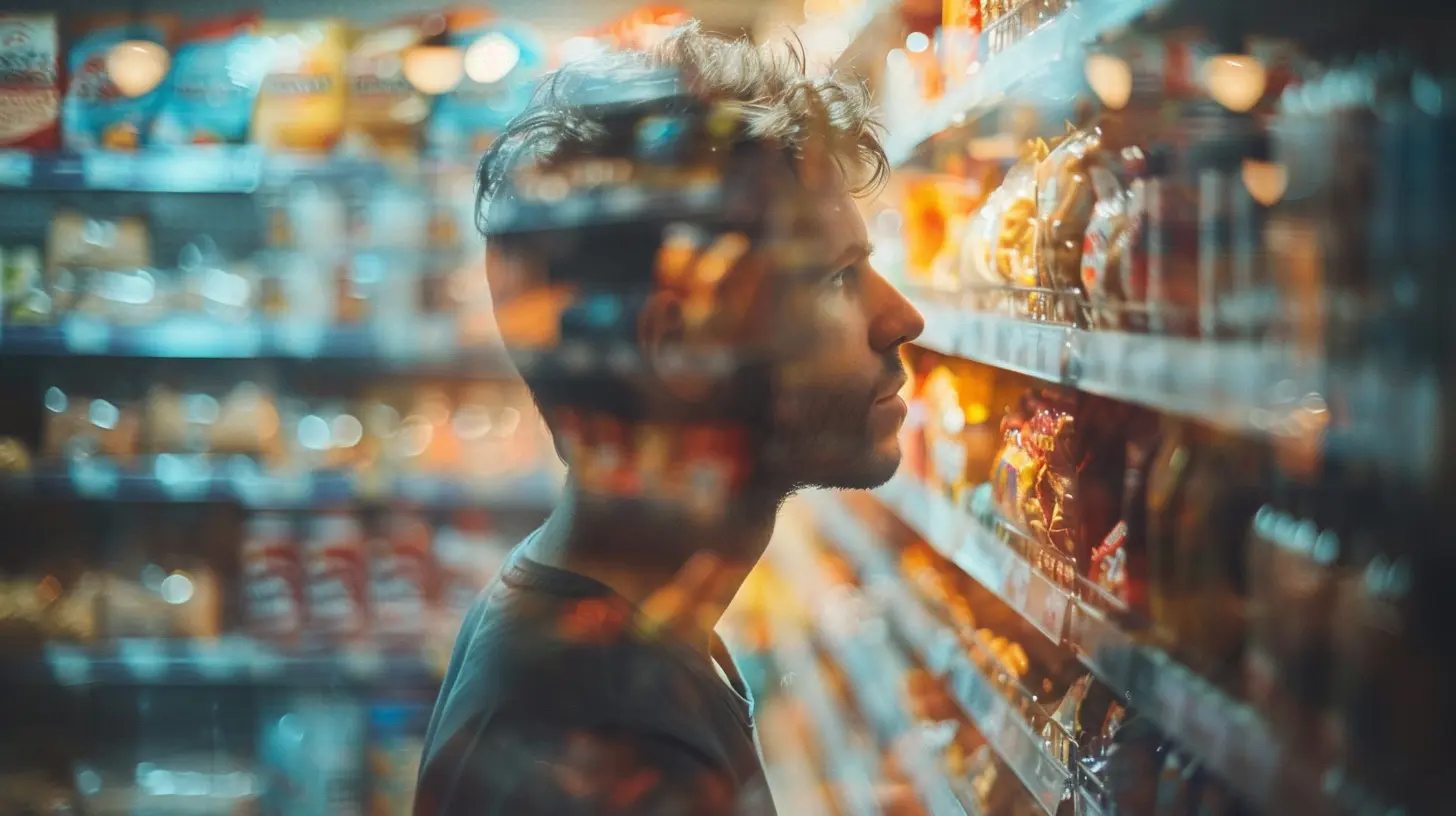
Understanding Consumer Behavior
Consumer behavior isn’t just about what people buy—it’s about why they buy. Every decision we make, from choosing a brand of toothpaste to investing in a high-end gadget, is influenced by a mix of psychological, social, and emotional factors.Companies that understand these triggers can create better marketing strategies that speak to consumers on a deeper level. This is why behavioral insights are a goldmine for marketers—they reveal not just what consumers do, but why they do it.
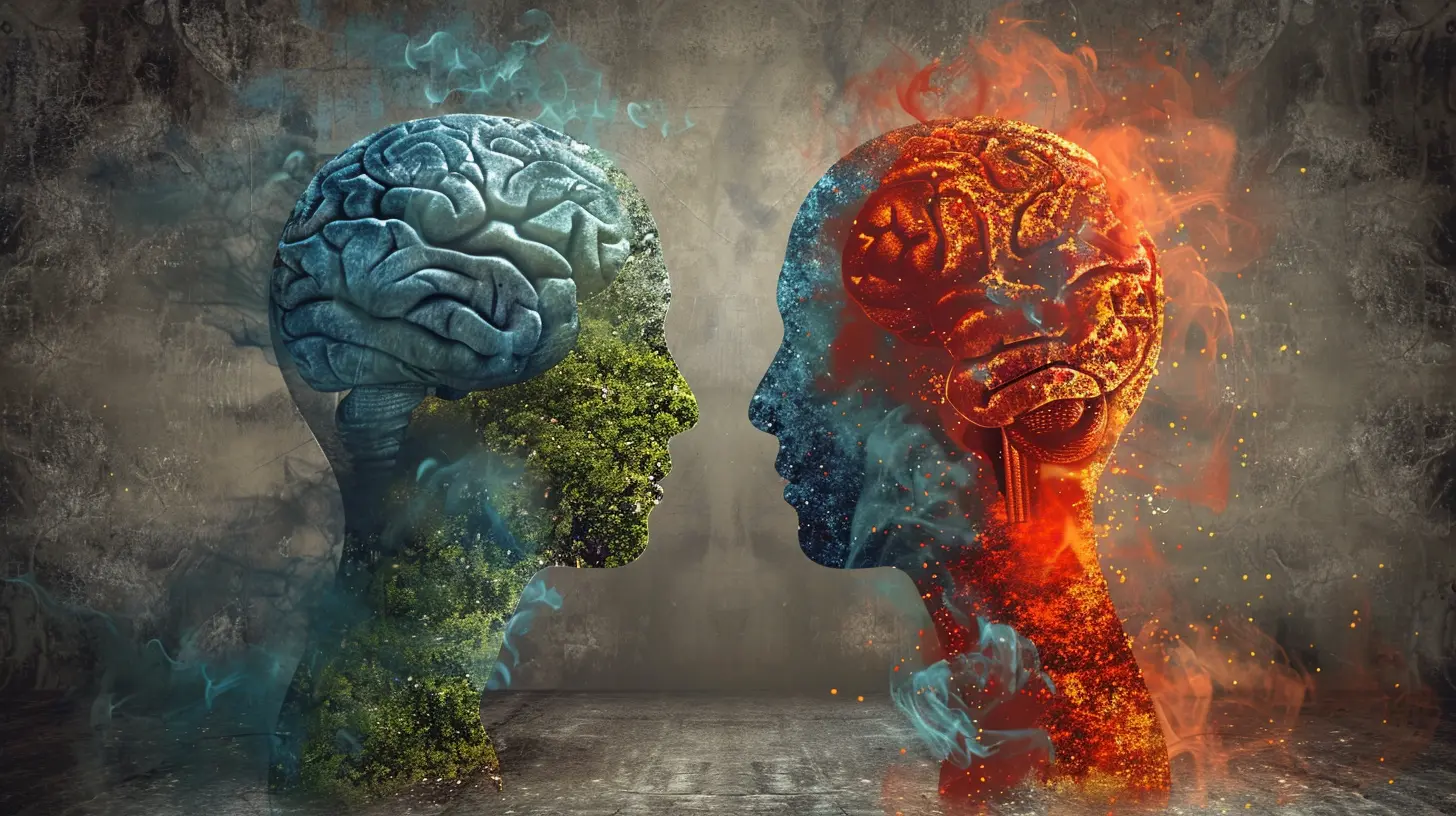
The Psychology Behind Consumer Choices
1. Cognitive Biases: The Hidden Decision-Makers
Our brains take mental shortcuts all the time. These are called cognitive biases, and they play a massive role in how we make purchasing decisions. Here are a few key ones:- Anchoring Bias – Ever noticed how stores display the original price next to the discounted price? That’s anchoring at work. The original price sets an expectation, making the discounted price feel like a steal.
- Scarcity Effect – "Only 2 left in stock!" This plays on FOMO (fear of missing out), making consumers act quickly before they lose the opportunity.
- Social Proof – People trust products with high ratings and positive reviews because they assume others' experiences reflect their own potential experience.
2. Emotional Influence: The Power of Feelings
Most purchases aren’t made based on logic alone. Emotions heavily influence decision-making. Take luxury brands, for instance—they don’t just sell handbags or watches; they sell status, confidence, and a sense of exclusivity.- Happiness – Ads featuring smiling people, uplifting music, or feel-good stories create an emotional connection, making consumers more likely to purchase.
- Fear & Urgency – Limited-time offers or "Act Now!" messages tap into the fear of missing out (FOMO), pushing consumers to make faster decisions.
- Nostalgia – Brands like Coca-Cola use nostalgia-based marketing by evoking memories of childhood, family, and tradition, making their products more emotionally appealing.
3. Decision Fatigue: Why Fewer Choices Can Mean More Sales
Too many choices can overwhelm consumers, leading to decision fatigue. When bombarded with options, people may avoid making any decision at all.Smart marketers simplify choices by:
- Offering curated selections (e.g., "best sellers" or "staff picks")
- Using recommendation algorithms (like Netflix or Amazon)
- Creating bundles to minimize individual decisions
By streamlining choices, brands make it easier for consumers to commit without feeling mentally exhausted.

Marketing Strategies Using Behavioral Insights
1. The Power of Storytelling
Rather than bombarding consumers with facts and figures, brands that tell stories create emotional engagement. A compelling story puts the audience in the shoes of the protagonist, making them more invested in the product’s outcome.For example, Nike doesn’t just sell athletic shoes—it sells perseverance, success, and the idea that "you can do it too." Through emotionally charged ads featuring real-life struggles and triumphs, Nike connects deeply with consumers.
2. Personalization and Targeted Marketing
Consumers today expect personalized experiences. Thanks to AI and data analytics, marketers can track browsing habits, previous purchases, and preferences to tailor content that speaks directly to individuals.Ever wondered why you keep seeing ads for a product you just searched for? That’s retargeting in action. It keeps the brand top-of-mind, increasing the chances of a purchase.
3. The Reciprocity Principle: Give to Get
People feel an obligation to return favors. This is why brands often provide free samples, guides, or trials—it creates a psychological pull to reciprocate, often in the form of a purchase.Think about when you try a free sample at a grocery store. That small taste subconsciously makes you feel inclined to buy the full product. This technique works wonders in building customer loyalty.
4. Leveraging Fear of Missing Out (FOMO)
Scarcity marketing is one of the most effective psychological strategies. When something feels exclusive or limited, it becomes more desirable.- Limited-time offers create urgency
- Exclusive memberships make customers feel special
- Flash sales or countdowns push quick purchasing decisions
Amazon's Prime Day is a perfect example—limited-time deals cause a buying frenzy because consumers fear missing out on major discounts.
5. Social Proof: The Influence of Others
Humans are social creatures. We look to others for validation, which is why testimonials, user reviews, and influencer endorsements are so powerful.- A product with thousands of positive reviews feels more trustworthy than one with none.
- "Best-seller" labels and "as seen on" features add credibility.
- Celebrity and influencer endorsements leverage aspirational marketing—people want to imitate those they admire.

The Future of Consumer Behavior in Marketing
As technology evolves, so do marketing strategies. Brands will continue to refine their approaches based on deeper psychological insights. Some emerging trends include:- AI-Powered Personalization – More refined recommendations based on behavior analysis.
- Neuromarketing – Studying brain activity to understand consumer reactions to ads.
- Ethical Persuasion – Consumers are becoming savvier and demanding more transparency from brands.
While behavioral insights give marketers a powerful advantage, the key is ethical application. Manipulative tactics can backfire, leading to mistrust. Building genuine connections, providing value, and respecting consumer choices will always win in the long run.
Conclusion
Understanding behavioral insights isn’t just for marketers—it’s valuable for anyone who wants to grasp how human psychology influences decisions. Whether you’re a business owner, entrepreneur, or just a curious consumer, knowing these psychological principles can help you navigate the marketing landscape wisely.The next time you make a purchase, ask yourself: Was this my decision, or was psychology at play? Chances are, a mix of both. But now, at least, you’ll recognize the signs.
all images in this post were generated using AI tools
Category:
Behavioral PsychologyAuthor:

Jenna Richardson
Discussion
rate this article
2 comments
Thornewood Mahoney
Consumer choices are like dating—sometimes we go for the shiny package, ignoring the ‘what’s inside’ warnings. Thanks, marketing! Now, if only my shopping cart could remember my past bad decisions!
February 2, 2026 at 6:08 PM
Jenna Richardson
Thank you for your insightful comment! It's true that marketing can often overshadow substance, and recognizing past choices could help consumers make better decisions in the future.
Lana Butler
Understanding consumer behavior unlocks new opportunities for meaningful connections. Let's harness these insights to create impactful, positive marketing experiences!
January 8, 2026 at 3:52 AM
Jenna Richardson
Absolutely! Leveraging behavioral insights is key to fostering deeper connections and crafting marketing that truly resonates with consumers. Let's make it happen!