When Journalists Pick Stories Without Knowing the Outcome: A Bias Check
June 22, 2026 - 04:55

A recent study suggests journalists may be less prone to confirmation bias when they select studies to cover before the results are known. The idea is simple: if a reporter commits to writing about a piece of research without knowing whether the findings support a popular narrative or challenge it, the final story is more likely to be balanced and fair.
Confirmation bias is a well-documented problem in news reporting. It happens when journalists, often without realizing it, favor information that confirms their existing beliefs or the expected angle of a story. They might highlight data that fits a certain worldview while downplaying or ignoring contradictory evidence. This can distort public understanding of complex issues, from health studies to economic forecasts.
The new research suggests that the timing of a journalist's decision to cover a study matters a lot. When reporters choose a topic after seeing the results, they may unconsciously gravitate toward findings that make for a cleaner or more dramatic story. But when they commit to covering a study before the results are in, they are forced to approach it with more openness. They cannot cherry-pick details to fit a preconceived narrative because the narrative has not yet been written.
This approach is not always practical. Breaking news and ongoing events do not allow for such pre-commitment. But for science reporting, academic research, and long-form investigations, it could be a useful tool. Some newsrooms have experimented with "registered reports," where journalists outline their story plan before the research is published. The goal is to shift the focus from what the study found to how it was conducted and what the results actually mean, regardless of whether they are surprising or mundane.
The study itself is a reminder that the way journalists choose their stories can shape the stories themselves. Being aware of when and why a story gets picked may be just as important as how it is written.
MORE NEWS

September 19, 2026 - 17:49
Rethinking the Baby Bag: A New Look at Maternal AmbivalenceA candid conversation has brought fresh attention to the complicated emotional world of motherhood, using a simple metaphor to capture what many parents feel but rarely say out loud. The idea,...
September 19, 2026 - 06:38
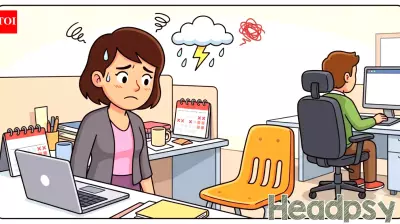
Someone took your usual office chair? Psychology explains why it can feel strangely unsettlingYou walk into the office, glance across the room and stop. Someone is sitting in your chair. It is a small thing, objectively. It is just a piece of furniture. Yet the feeling that washes over you...

September 18, 2026 - 22:03
Why Spirituality Survives When Organized Religion FadesPeople who describe themselves as spiritual but not religious are not simply confused or indecisive. Research into the psychology of belief suggests they are expressing something deeply rooted in...

September 18, 2026 - 00:09
Why People Decorate Their Charging CablesAn everyday object does not have to be purely practical. It can serve a useful purpose while also reflecting personal taste and carrying a little emotional value. A cable protector, for instance,...