Understanding Cognitive Changes in Older Adults
July 12, 2025 - 13:32
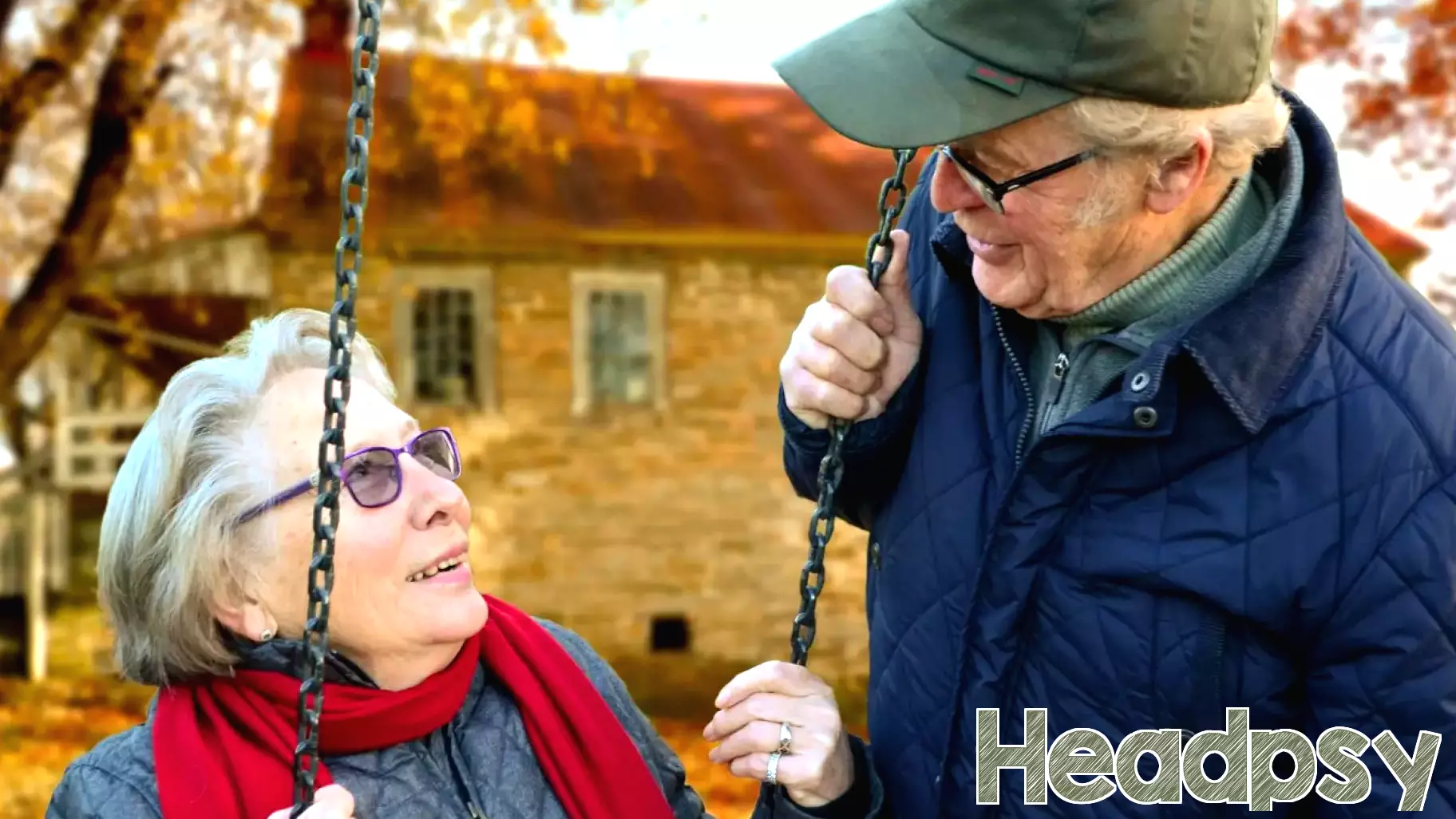
As individuals age, cognitive changes can become a common concern, especially for those over 65. If you or a loved one has recently experienced significant alterations in memory or cognitive function, it is crucial to consult a healthcare professional. These changes can sometimes be mistaken for normal aging but may indicate underlying health issues that require attention.
Symptoms such as forgetfulness, confusion, or difficulty concentrating can be alarming, prompting questions about whether they are simply a part of getting older or something more serious. Conditions like dementia or Alzheimer's disease can manifest in similar ways, making early diagnosis and intervention vital for managing these conditions effectively.
Seeking guidance from an internist can help clarify the situation. They can conduct assessments to determine the cause of cognitive changes and recommend appropriate treatments or interventions. Addressing these concerns early not only aids in understanding the individual's health but also supports overall well-being and quality of life.
MORE NEWS

October 16, 2026 - 18:07
A Single Class Can Shift How Students See Mental IllnessIt took just one class period to change how a group of college students view mental illness. Researchers found that a brief educational session focused on the science of mental health produced...

October 16, 2026 - 06:31
Why Deep Thinkers Use These 8 Phrases in Everyday TalkThey have a mind that catches everything, examines everything, and takes longer to arrive at an answer than the conversation is willing to wait for. People with high intelligence and slower...

October 15, 2026 - 22:46
The hidden psychology behind everyday spendingOCTOBER 15 -- Everyday spending may appear to be a straightforward matter of comparing prices, identifying needs and deciding what to buy. Yet consumer decisions are rarely shaped by logic alone. A...

October 15, 2026 - 10:06
Why Children Imitate Classmates They Claim to DislikeA child comes home from school complaining about a classmate. They say the other child is bossy, refuses to share or keeps breaking classroom rules. Yet a parent watching closely might notice...