The Science Behind Beauty: Evolution, Mathematics, and the Fibonacci Sequence
February 19, 2025 - 15:41
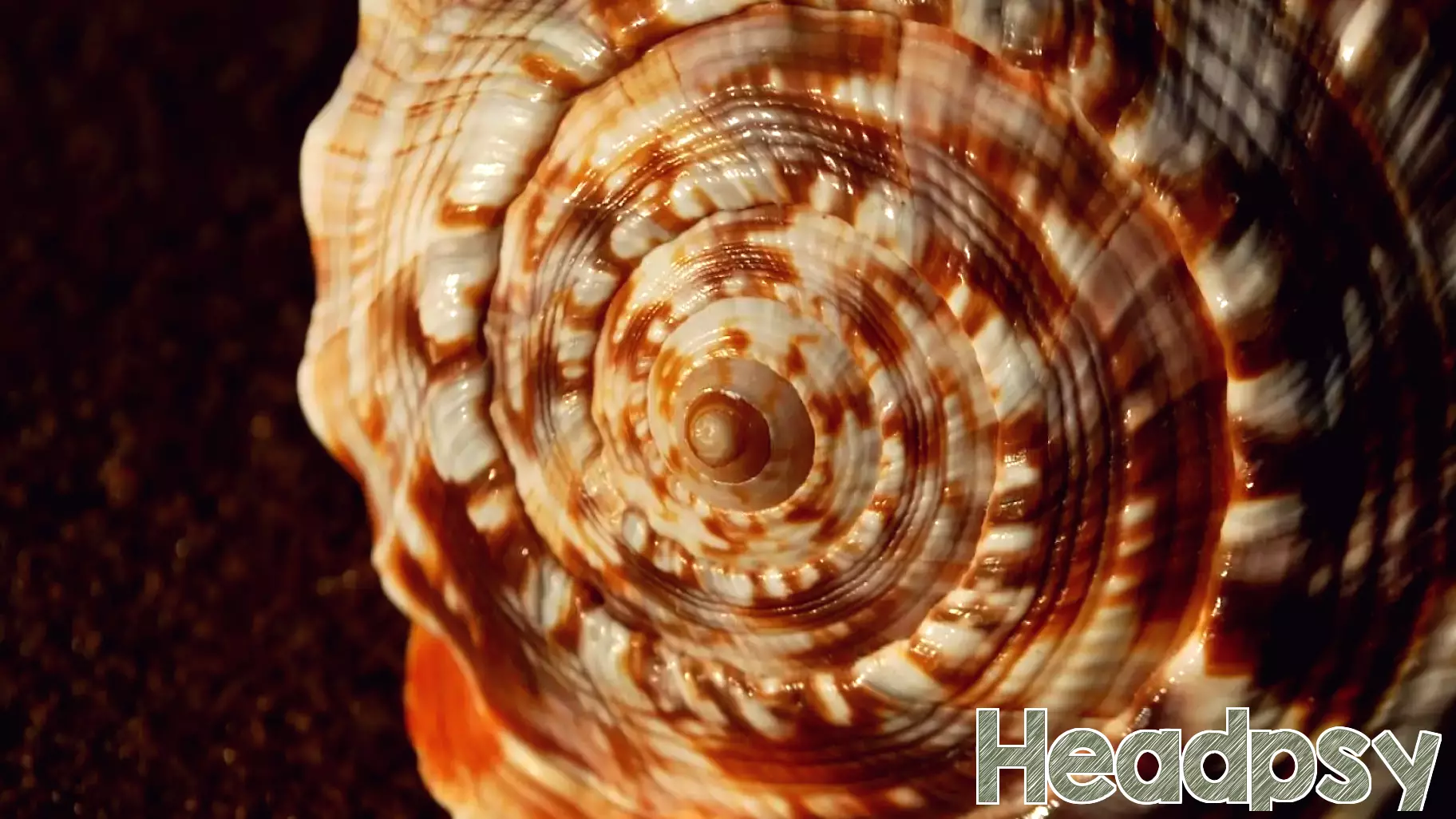
Beauty has long fascinated humanity, leading to countless theories about what makes something aesthetically pleasing. Recent explorations into the intersection of evolution and mathematics have provided intriguing insights into this age-old question. At the core of this investigation lies the Fibonacci sequence, a series of numbers where each number is the sum of the two preceding ones. This sequence appears in various natural phenomena, from the arrangement of leaves to the patterns of shells, suggesting a deep-rooted connection between mathematics and beauty.
Researchers argue that our perception of beauty may be influenced by evolutionary factors. Traits that are often deemed beautiful, such as symmetry and proportion, may signal health and genetic fitness. The Fibonacci sequence, with its association to naturally occurring patterns, provides a mathematical framework for understanding these aesthetic preferences.
As scientists delve deeper into this relationship, the convergence of art, nature, and mathematics continues to reveal the underlying principles that govern our appreciation of beauty in the world around us.
MORE NEWS

October 5, 2026 - 00:51
Psychedelic Drugs Advance Toward FDA Approval as Federal Support GrowsPsychedelic substances such as psilocybin and LSD are moving closer to federal approval, marking a significant shift in how regulators and researchers view these once-stigmatized compounds....

October 4, 2026 - 15:10
Psychology says children who talk to themselves while playing may be doing more than just thinking out loudChildren often talk to themselves while solving a puzzle, playing make-believe or working through a difficult task. This self-directed language, known as private speech, may be more than simple...

October 3, 2026 - 22:25
Personality Trait Beats Test Scores in Predicting West Point Leadership SuccessA new meta-analysis of West Point cadets suggests that personality matters more than raw intelligence when it comes to leading troops. While standardized test scores remain a solid predictor of...
October 3, 2026 - 18:04
Study Finds the Human Brain May Function as Two Separate OrgansA recent study suggests that the human brain emerges from two separate organs, a discovery that may impact future treatments for neurodegenerative diseases and brain disorders. Researchers...