The Interconnected Crisis of Animal Welfare and Human Compassion
January 5, 2025 - 23:17
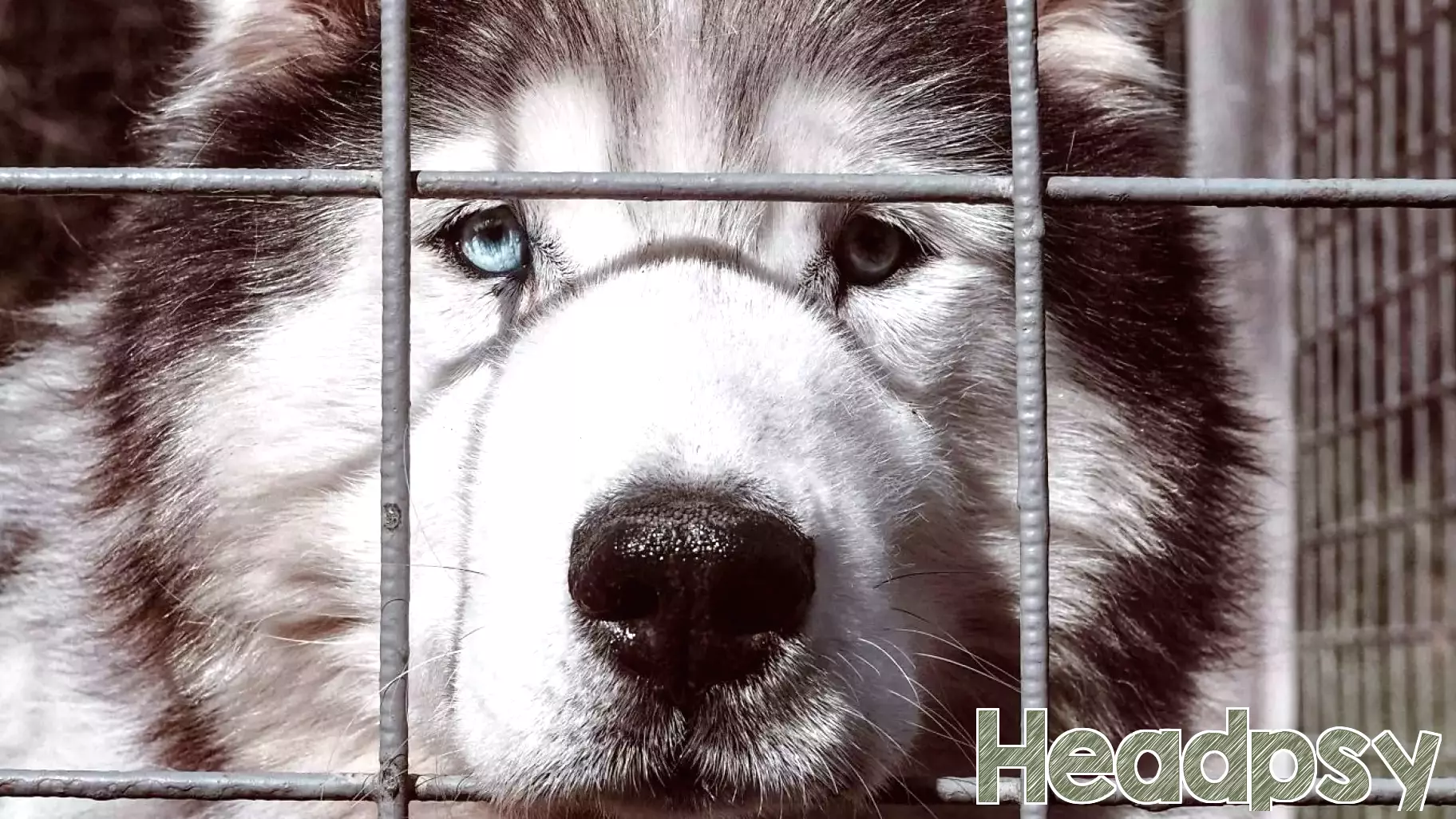
The well-being of nonhuman animals and humans is inextricably linked, and the current state of animal welfare presents a significant existential crisis. As instances of animal abuse continue to rise globally, the impact on both animal and human communities becomes increasingly profound. The emotional toll on those who care for abused animals often leads to compassion fatigue, a state of emotional exhaustion that can affect mental health and overall well-being.
This crisis highlights the urgent need for a comprehensive approach to animal welfare, recognizing that the suffering of animals can mirror and exacerbate human distress. As communities grapple with the repercussions of neglect and abuse, the ripple effects can be felt in various sectors, from healthcare to social services.
Addressing these intertwined issues requires a collective effort to promote empathy and understanding towards all living beings. By fostering a culture of compassion, society can work towards alleviating the burdens faced by both animals and the individuals dedicated to their care.
MORE NEWS

September 13, 2026 - 01:14
Psychology says men who don’t use face wash or moisturiser may value simplicity more than self-care ritualFor some men, beauty and grooming products may still carry cultural associations with femininity. Because of these learned ideas about masculinity, using multiple facial-care products can sometimes...

September 12, 2026 - 04:26
Why Knowing About Money Is Not the Same as Managing It WellIn a world where financial advice is readily available at the click of a button, many assume that knowing how to manage money is the key to financial success. Yet a growing body of research...
September 11, 2026 - 00:07
Brain Reward Response Tied to Resilience After TraumaNew research has uncovered that how the brain responds to anticipated rewards plays a key role in building psychological resilience after a traumatic experience. The findings suggest that...

September 10, 2026 - 00:00
Self-perceived romantic desirability is strongly linked to overall self-esteemA new analysis of existing research has found that how desirable a person believes they are as a romantic partner is closely tied to how they feel about themselves overall. The study, which pooled...