The Empirical Record on Conflict at Work
June 9, 2026 - 21:21
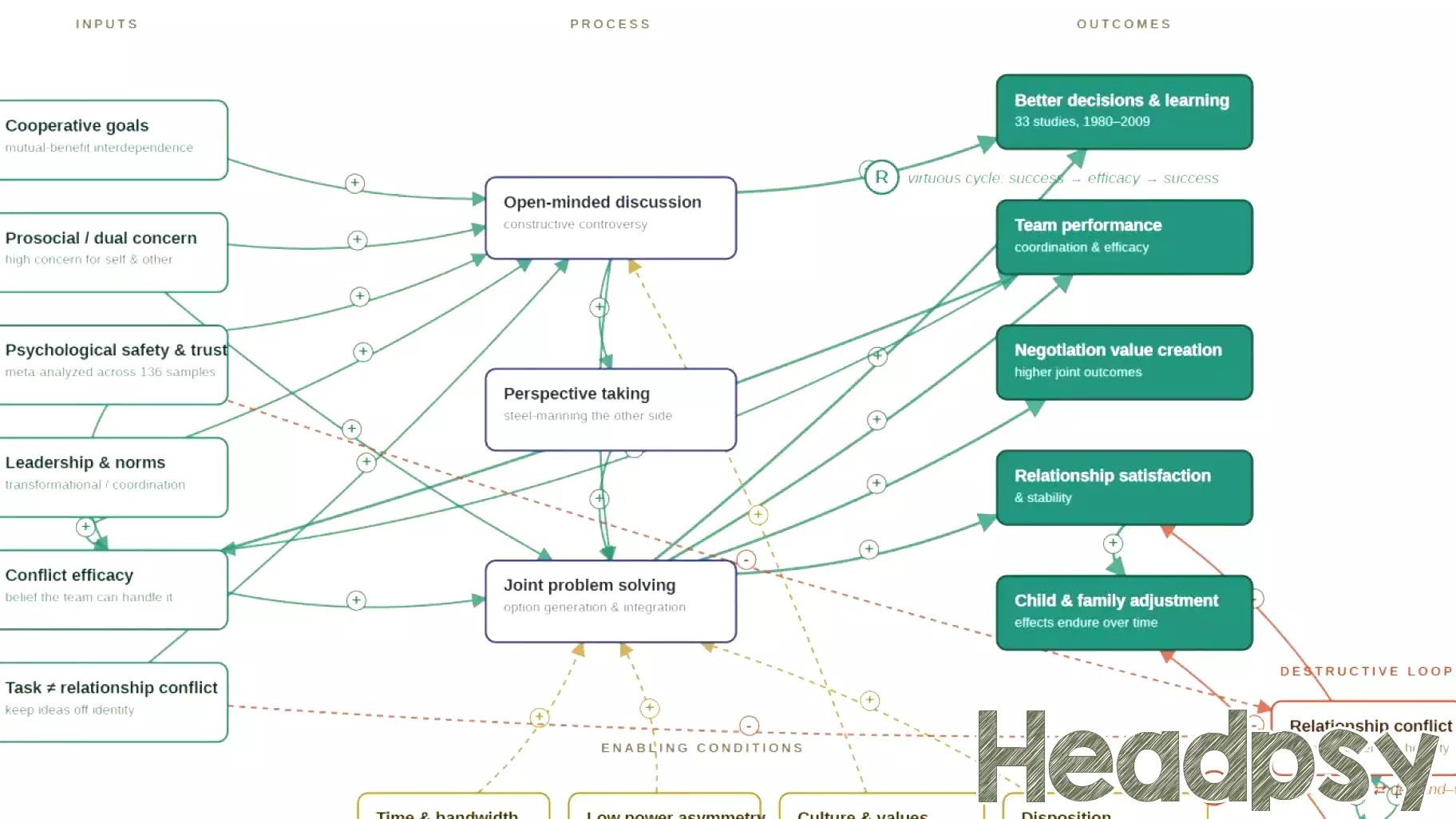
Conflict at work is often treated like a dirty secret, something to be smoothed over or avoided entirely. But decades of empirical research tell a different story. The data shows that conflict is not just inevitable, it can be a powerful driver of innovation when handled correctly. The key is understanding what kind of conflict you are dealing with.
Studies consistently separate workplace conflict into two main types: task conflict and relationship conflict. Task conflict involves disagreements about how to do the work, which resources to use, or what strategy to pursue. This type, when kept professional, has been linked to better decision-making and more creative solutions. Teams that argue about ideas tend to catch blind spots and push past groupthink.
Relationship conflict, on the other hand, is personal. It involves clashes over values, personality, or perceived slights. The research is clear on this one: relationship conflict is almost always destructive. It lowers morale, increases turnover, and damages productivity. The trouble is that task conflict can easily transform into relationship conflict if emotions are not managed.
The empirical record also challenges the idea that harmony is always best. Workplaces with zero visible conflict are often suffering from "pluralistic ignorance" where everyone privately disagrees but no one speaks up. This leads to poor decisions and resentment. The most effective teams, according to the data, are those that create psychological safety. They allow people to challenge ideas without fear of being personally attacked.
So what does this mean for the average employee or manager? It means you should stop seeing conflict as a failure. Instead, learn to distinguish between a useful debate about work and a toxic personal fight. The research suggests that the best approach is to address issues early, focus on facts rather than personalities, and establish clear norms for disagreement. When done right, a little friction can sharpen the final result.
MORE NEWS

October 23, 2026 - 02:27
Woodcut reframes true crime through psychology and motiveWoodcut Media, the production company behind World`s Most Evil Killers, is changing how it approaches true-crime storytelling by placing greater emphasis on psychology and motive rather than shock...

October 22, 2026 - 00:43
Older adults tell the story of their lives differently, and it may not be a sign of decline, new psychology study suggestsA new psychology study suggests that older adults tell the story of their lives differently from younger adults, and that this difference may not signal mental decline. Researchers found that older...

October 21, 2026 - 01:40
Why Festival Prices Keep Climbing and Why We Keep PayingIf you went to a music festival this summer, whether it was Osheaga, Coachella, or Lollapalooza, you probably noticed that everything cost more. The ticket itself was likely higher than last year....

October 20, 2026 - 01:45
Utah Tech to Launch Clinical Psychology and Counseling Master's ProgramUtah Tech University has received approval to offer a new master`s program in counseling and clinical psychology, with the first cohort set to begin in fall 2027. The announcement, made Tuesday,...