Psychology says people who feel emotionally numb for long stretches aren't broken or cold — they're often people who felt too much for too long, and the nervous system eventually found the only exit it had leftrd
August 27, 2026 - 06:13

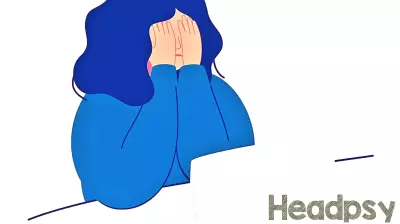
For years, we have been told that feeling nothing at all is a sign of something wrong. We label people who go numb as distant, cold, or even broken. But a growing body of psychological research suggests the opposite is closer to the truth. Emotional numbness, especially when it lasts for months or years, is rarely a lack of feeling. It is usually the result of feeling too much for too long.
The nervous system has a limit. When stress, grief, or relentless pressure pile up without relief, the brain does not simply keep absorbing the blows. It finds a way to turn down the volume. That shutdown is not a failure. It is a protective mechanism, the only exit left when the front door is blocked. Think of it as a circuit breaker that trips before the whole house catches fire.
People who go numb often describe it as being underwater. They can see life happening around them, but they cannot reach it. They might stop crying, stop getting angry, or stop caring about things that once mattered deeply. This can look like apathy from the outside, but inside, it is exhaustion. The emotional muscles have been overworked for so long that they have gone into spasm.
The key is not to shame the numbness or force a quick fix. Pushing someone to feel before they are ready can backfire. Instead, the first step is understanding that this state is a sign of endurance, not weakness. The person who feels nothing has often felt everything, and their body made a choice to survive. Healing comes slowly, by rebuilding safety, not by demanding instant warmth. Numbness is not the end of the story. It is just a pause, a deep breath before the next chapter begins.
MORE NEWS

October 11, 2026 - 03:32
How Independent Political Identity Takes ShapeThe rise of independent political identities carries major consequences for how American democracy operates at its core. Voters who reject both major parties now represent a substantial and growing...
October 10, 2026 - 05:13
Loneliness Tied to Distress and Binge Watching in Parents of Emigrated ChildrenA study from the National Institute of Mental Health and Neurosciences has found that loneliness among parents whose children have emigrated is closely tied to psychological distress, difficulties...

October 9, 2026 - 18:58
Havana Syndrome: What We Know a Decade LaterMore than ten years have passed since US diplomats and intelligence officers in Havana, Cuba, began reporting a strange cluster of symptoms. The first cases appeared in late 2016. People described...

October 9, 2026 - 06:23
What Sunderland Can Learn From Elite Swimming PsychologySunderland`s season has shown how quickly momentum can shift in the Championship. One week the team looks unstoppable, the next it struggles to hold a lead. While tactics and fitness get most of...