Psychology says people who can't accept aging may be fighting more than wrinkles
August 26, 2026 - 18:40
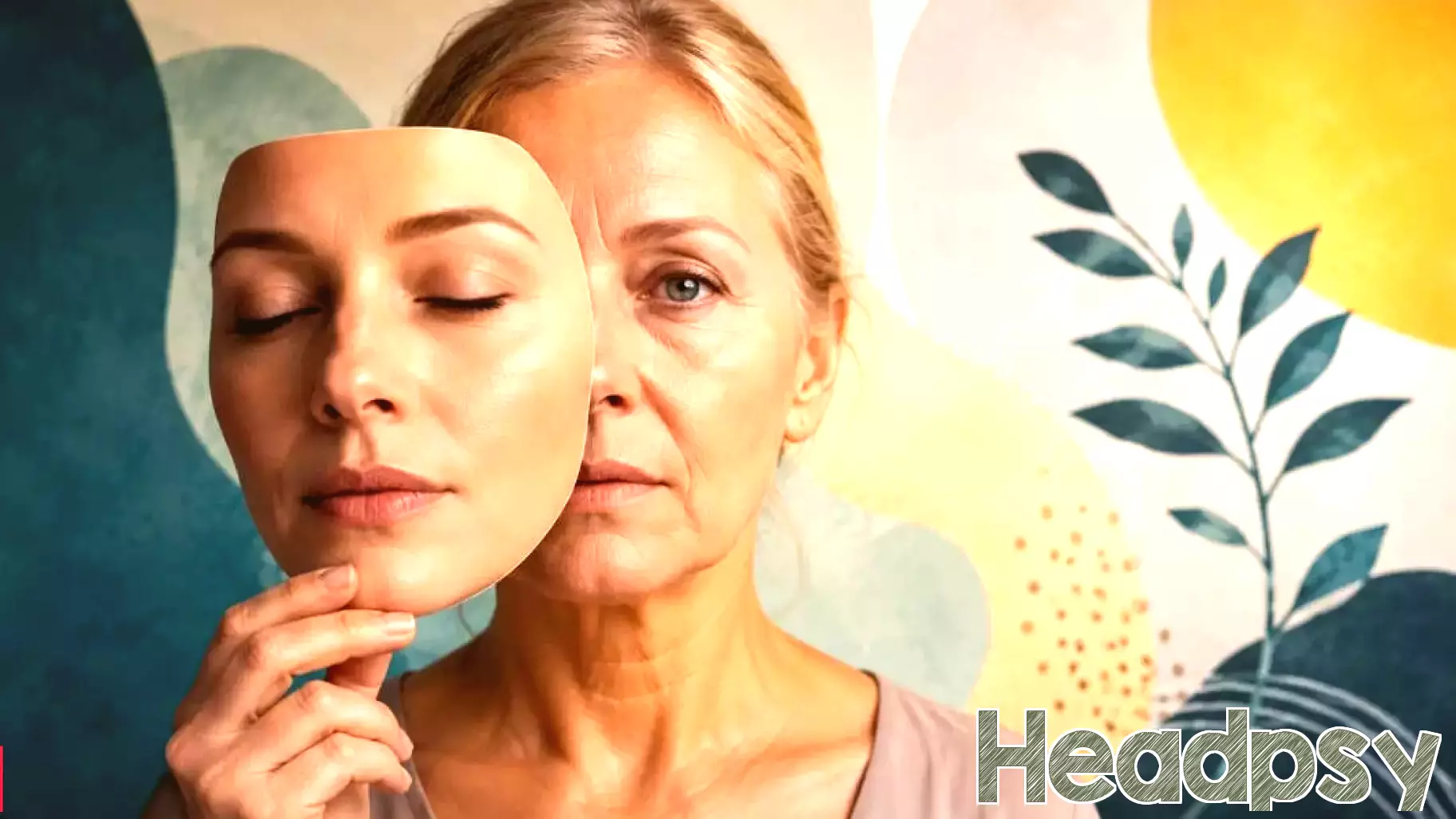
People who have a hard time accepting the aging process may not simply be worried about fine lines or sagging skin. According to psychology researchers, the resistance often runs much deeper than appearance. It can be tied to a person's sense of identity, their need for control, and even how they cope with thoughts about mortality.
When someone rejects the reality of getting older, they might be trying to protect a self-image that feels younger and more relevant. For many, age is tied to social value. The fear of being seen as less capable or less attractive can drive a strong urge to fight the natural timeline. This is not vanity alone. It is often about avoiding rejection or staying connected to a version of themselves that feels safer.
Psychologists also point out that accepting aging means facing the fact that time is limited. That thought is uncomfortable for most people. So, instead of sitting with that discomfort, some individuals pour energy into anti-aging routines or deny their age altogether. This behavior can be a way to keep difficult thoughts at arm's length.
The need for control also plays a big role. As the body changes, it becomes a reminder that not everything is within a person's power. Fighting those changes can be a way to feel like they still have a say in how their life unfolds. But experts suggest that true peace comes from letting go of that fight and finding value in the present moment, rather than clinging to the past.
MORE NEWS

October 11, 2026 - 03:32
How Independent Political Identity Takes ShapeThe rise of independent political identities carries major consequences for how American democracy operates at its core. Voters who reject both major parties now represent a substantial and growing...

October 10, 2026 - 05:13
Loneliness Tied to Distress and Binge Watching in Parents of Emigrated ChildrenA study from the National Institute of Mental Health and Neurosciences has found that loneliness among parents whose children have emigrated is closely tied to psychological distress, difficulties...

October 9, 2026 - 18:58
Havana Syndrome: What We Know a Decade LaterMore than ten years have passed since US diplomats and intelligence officers in Havana, Cuba, began reporting a strange cluster of symptoms. The first cases appeared in late 2016. People described...

October 9, 2026 - 06:23
What Sunderland Can Learn From Elite Swimming PsychologySunderland`s season has shown how quickly momentum can shift in the Championship. One week the team looks unstoppable, the next it struggles to hold a lead. While tactics and fitness get most of...