Navigating Crowded Spaces: The Dynamics of Personal Space
July 18, 2025 - 05:17
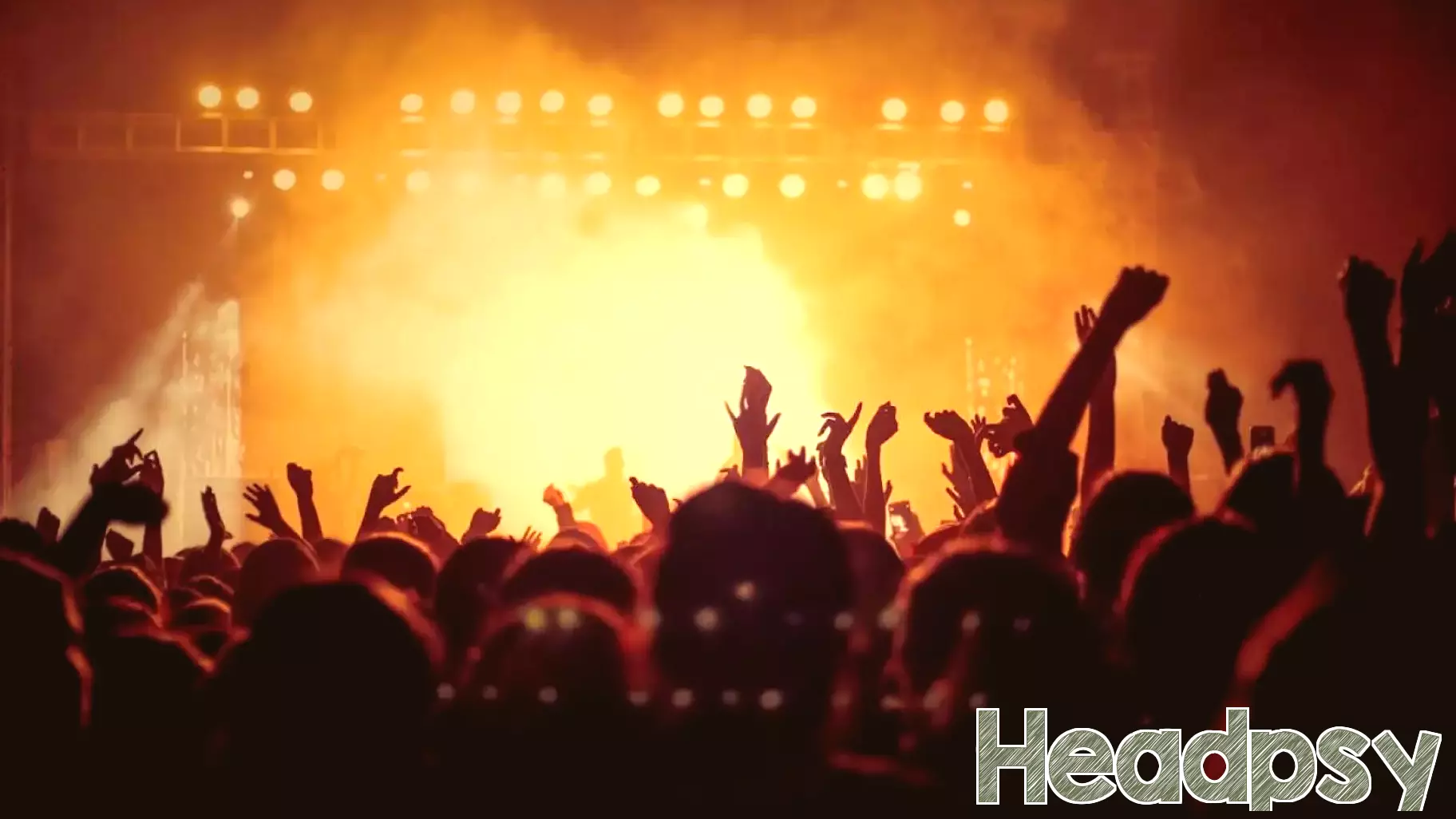
At a recent concert, I observed a fascinating social dynamic unfolding among the attendees. Some individuals instinctively made room for others, embodying a spirit of cooperation and community. In contrast, others subtly claimed more space, prioritizing their own comfort over the collective experience. This seemingly trivial moment speaks volumes about human behavior in crowded environments.
The way we navigate tight spaces can reflect our personalities and values. Those who choose to accommodate others often foster a sense of camaraderie, enhancing the overall atmosphere of shared experiences. On the other hand, individuals who take up more space may inadvertently create tension, highlighting a more self-centered approach.
These interactions raise important questions about our responsibilities in public settings. How do we balance our need for personal space with the needs of those around us? Ultimately, these choices reveal much about who we are and how we engage with the world, especially in moments of collective gathering.
MORE NEWS

October 16, 2026 - 06:31
Why Deep Thinkers Use These 8 Phrases in Everyday TalkThey have a mind that catches everything, examines everything, and takes longer to arrive at an answer than the conversation is willing to wait for. People with high intelligence and slower...
October 15, 2026 - 22:46
The hidden psychology behind everyday spendingOCTOBER 15 -- Everyday spending may appear to be a straightforward matter of comparing prices, identifying needs and deciding what to buy. Yet consumer decisions are rarely shaped by logic alone. A...
October 15, 2026 - 10:06
Why Children Imitate Classmates They Claim to DislikeA child comes home from school complaining about a classmate. They say the other child is bossy, refuses to share or keeps breaking classroom rules. Yet a parent watching closely might notice...

October 14, 2026 - 22:58
Happiness May Open Minds More Than Awe, Study FindsResearchers looking for ways to increase openness to diversity tested whether awe could shift attitudes. The results surprised them. In a study involving nearly 3,200 adults, a brief happy video...