If We Could Talk to the Animals
June 12, 2026 - 18:25
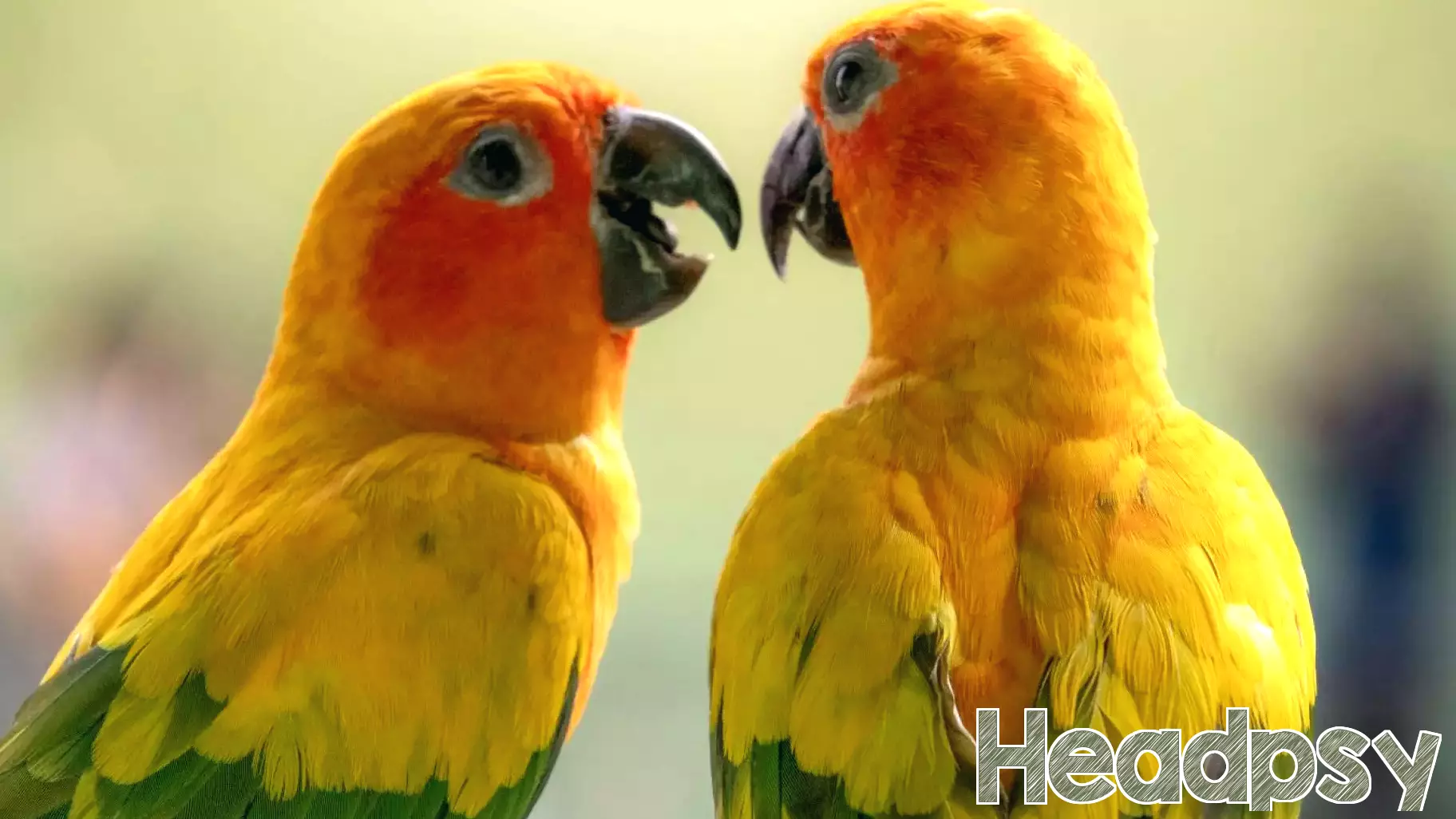
New research is challenging long-held assumptions about how animals communicate, suggesting that the clicks, chirps, and calls of creatures like whales and birds may be far more complex than previously understood. Cutting-edge studies are revealing patterns in these sounds that closely resemble the structure of human language, opening the door to a deeper understanding of non-human intelligence.
For decades, biologists assumed that animal vocalizations were simple signals tied to basic needs like food, danger, or mating. However, recent analysis using advanced audio processing tools shows that many species use a form of syntax. Humpback whale songs, for example, contain hierarchical phrases that change over time, much like the way human languages evolve. Similarly, certain bird species arrange their calls in predictable sequences, suggesting a rudimentary grammar.
Researchers are now exploring whether these patterns carry specific meanings. In some cases, a slight shift in the pitch or rhythm of a prairie dog call can indicate the color of a predator's clothing. This level of detail implies that animals are not just reacting to the world, but actively describing it. The findings raise profound questions about the nature of consciousness and whether we might one day decode these signals well enough to hold a basic conversation. While we are far from talking to the animals in the way Dr. Dolittle imagined, the gap between their world and ours appears to be narrowing with every new discovery.
MORE NEWS

October 26, 2026 - 05:28
Video Games as a Route to Self-DiscoveryYour avatar may express parts of yourself you keep hidden in daily life. That idea sits at the center of a growing conversation about what games actually do for the people who play them. Far from...

October 24, 2026 - 22:42
The Hidden Costs of Keeping Things Casual`We`re just dating.` It is a phrase heard often enough that few people stop to question what it actually means. A growing body of research suggests the ambiguity built into casual dating...

October 24, 2026 - 14:56
Kennesaw State Faculty Offer Insight into Halloween Traditions and FearsAs Halloween approaches, experts at Kennesaw State University are sharing their knowledge on everything from why people enjoy being frightened to the economic forces behind the holiday. Their...

October 23, 2026 - 21:27
The psychological impact of the seemingly endless rain - and how to stay positiveWeeks of gray skies and constant drizzle are wearing people down, and mental health experts say the effect is genuine. When sunshine is scarce, the body produces less serotonin and more melatonin,...