Feeling Like a Fraud? It Might Not Be What You Think
July 3, 2026 - 16:59
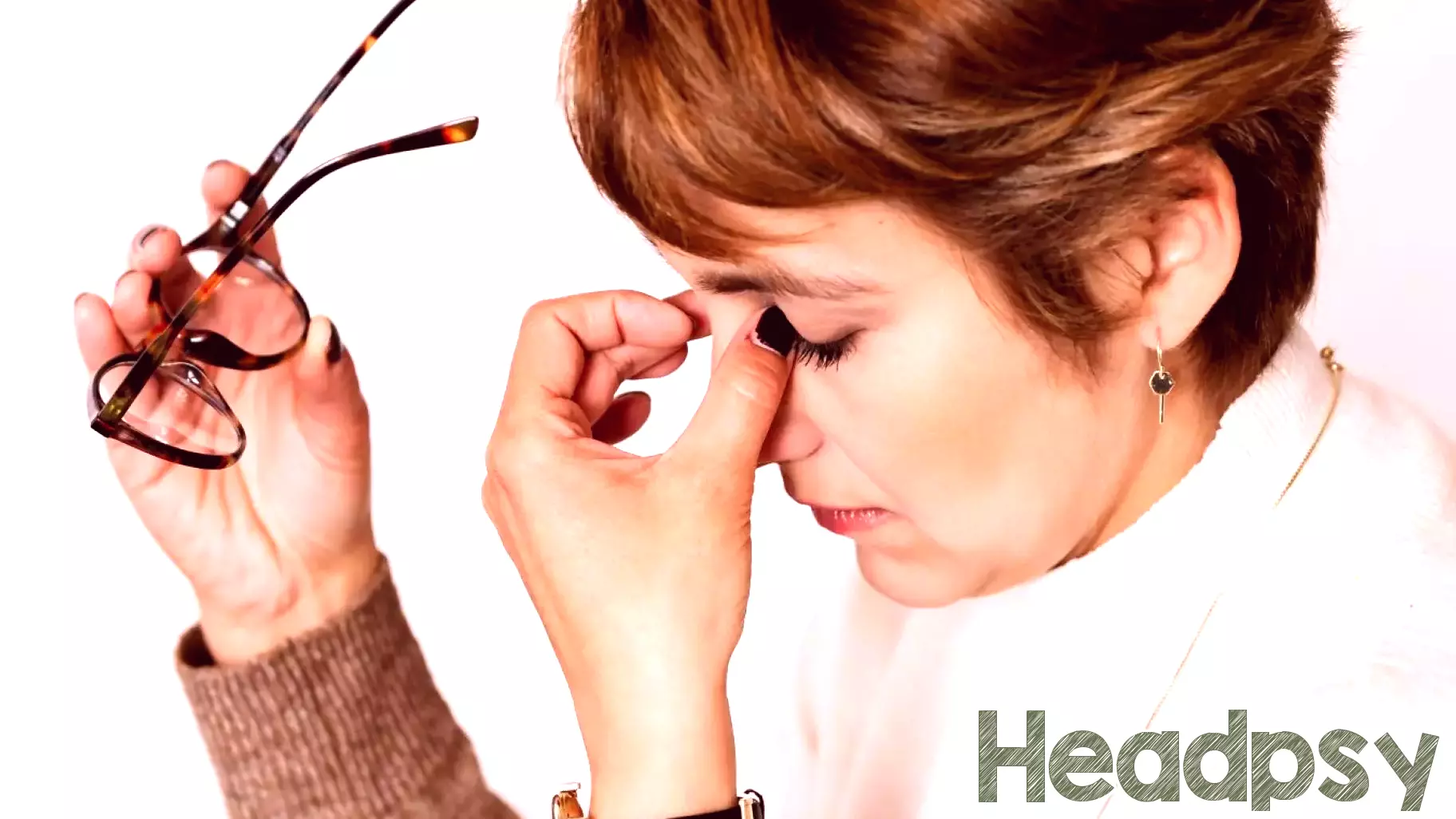
For years, the term "imposter syndrome" has been used to describe that nagging feeling of being a fraud, despite clear evidence of success. But a growing number of psychologists argue the label is misleading. The phenomenon, they say, is not a clinical syndrome at all. It is a normal, and often temporary, emotional response to new challenges or high-stakes environments.
The problem with calling it a "syndrome" is that it pathologizes a very common human experience. Most people feel out of their depth at some point, especially when stepping into a new role or tackling a difficult project. In fact, that feeling of being an imposter can actually be a sign of growth. It means you are pushing beyond your comfort zone. The real issue is not the feeling itself, but how you interpret it.
When is it a problem? It becomes harmful when the feeling persists for years, stops you from applying for jobs, or makes you work obsessively to the point of burnout. In those cases, it is less about being an imposter and more about a deep-seated fear of failure or perfectionism.
What to do about it? First, stop labeling yourself. Instead of saying "I have imposter syndrome," try saying "I feel uncertain right now." That is a much more manageable thought. Second, talk to trusted colleagues. You will likely find they have felt the same way. Finally, keep a record of your accomplishments. When doubt creeps in, look at the facts. The goal is not to eliminate self-doubt entirely, but to stop letting it run the show.
MORE NEWS

October 1, 2026 - 10:30
How to Defend Yourself When Accused of Lying, According to PsychologyBeing called a liar is uncomfortable, whether the accusation is true or not. A psychologist has outlined three strategies that can help you defend yourself effectively when someone questions your...
September 30, 2026 - 23:22
Spain's Mental Health Paradox: More Awareness, not Enough PsychologistsSpain has successfully broken the taboo surrounding mental health, encouraging more people to seek help for conditions that were once kept hidden. However, this increased openness has exposed a...

September 30, 2026 - 13:24
Understanding the Pressure: Matric 2026 and the Psychology of Exam StressAs the Matric class of 2026 moves closer to their final exams, the weight of expectation is becoming a daily reality for thousands of learners. While the academic material is demanding, the mental...

September 29, 2026 - 23:58
Researchers Push for Psychologists in Primary CareA team at a Canadian university is urging a major shift in how mental health care is delivered, arguing that psychologists should be embedded directly into primary care clinics across the country....