Dark Tetrad: A Set of Traits and a Relational Strategy
June 12, 2026 - 03:07
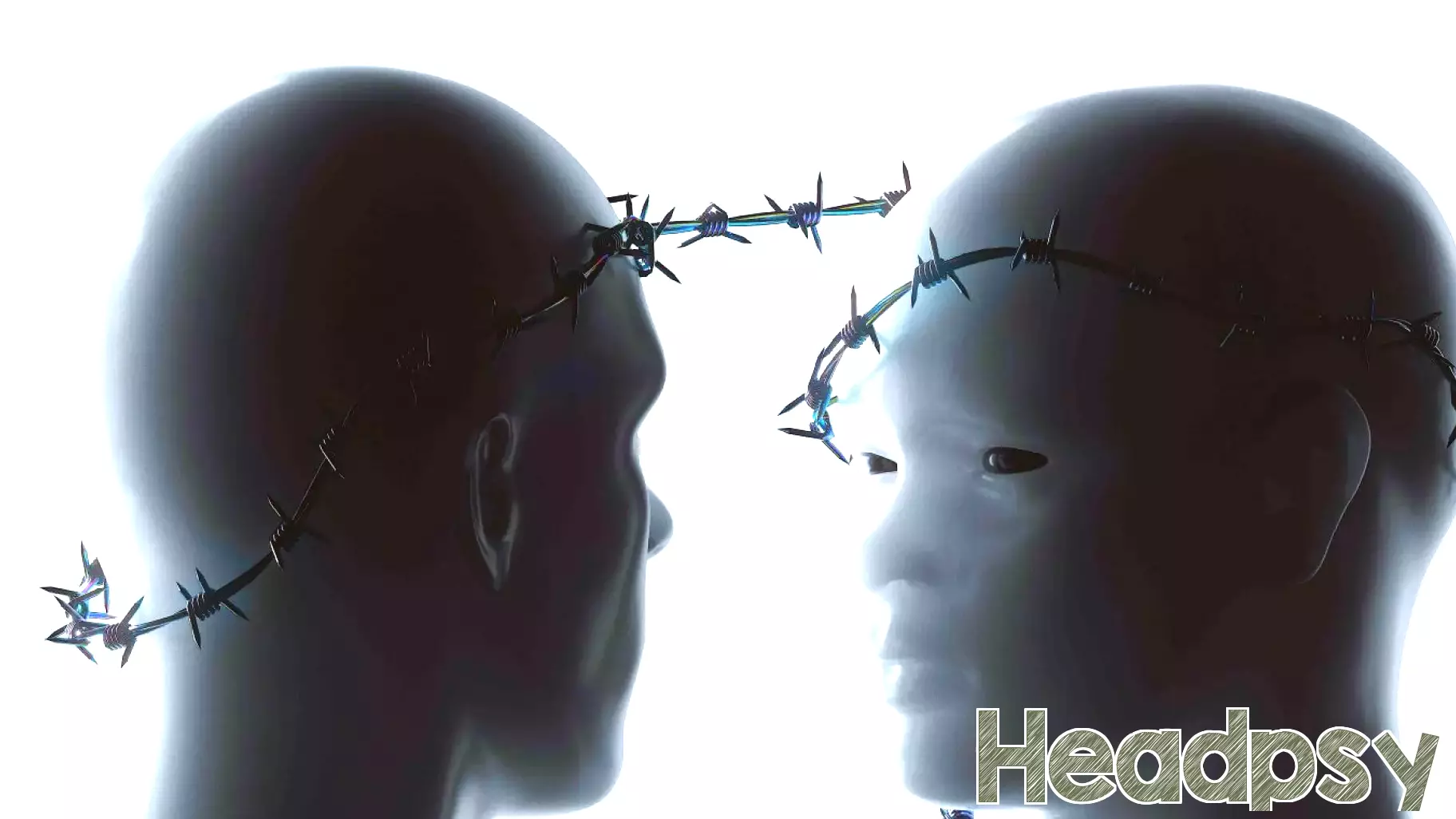
A growing body of research is examining the Dark Tetrad, a set of four socially aversive personality traits: narcissism, Machiavellianism, psychopathy, and everyday sadism. While these traits are often studied in clinical or forensic settings, new findings suggest that some individuals actively deploy them as a deliberate relational strategy.
The Dark Tetrad goes beyond the older "Dark Triad" by adding sadism, or deriving pleasure from another's suffering. People high in these traits tend to see relationships as arenas for control, manipulation, or self-enhancement rather than mutual support. For example, a person with high Machiavellianism might use charm and calculated deception to gain status or resources from a partner. A narcissist may seek constant admiration and become hostile when it is not given. Psychopathy is linked to a lack of empathy and impulsivity, while sadism can manifest as enjoying a partner's emotional discomfort.
Researchers argue that these behaviors are not always random outbursts. They can form a consistent pattern, almost like a playbook, used to navigate romantic, professional, or social interactions. The strategy often involves initial charm, followed by devaluation and exploitation once trust is established. This makes the Dark Tetrad a powerful but destructive tool for those who prioritize dominance over connection.
Understanding these traits as a strategy, rather than just a personality flaw, may help people recognize unhealthy dynamics earlier. It also points to the need for interventions that address the underlying motivations for using cruelty or manipulation as a way to relate to others.
MORE NEWS

October 24, 2026 - 22:42
The Hidden Costs of Keeping Things Casual`We`re just dating.` It is a phrase heard often enough that few people stop to question what it actually means. A growing body of research suggests the ambiguity built into casual dating...

October 24, 2026 - 14:56
Kennesaw State Faculty Offer Insight into Halloween Traditions and FearsAs Halloween approaches, experts at Kennesaw State University are sharing their knowledge on everything from why people enjoy being frightened to the economic forces behind the holiday. Their...

October 23, 2026 - 21:27
The psychological impact of the seemingly endless rain - and how to stay positiveWeeks of gray skies and constant drizzle are wearing people down, and mental health experts say the effect is genuine. When sunshine is scarce, the body produces less serotonin and more melatonin,...

October 23, 2026 - 02:27
Woodcut reframes true crime through psychology and motiveWoodcut Media, the production company behind World`s Most Evil Killers, is changing how it approaches true-crime storytelling by placing greater emphasis on psychology and motive rather than shock...