Are AI Ways Better Than Human Judgment?
May 22, 2026 - 21:34

The debate over whether artificial intelligence outperforms human judgment has grown louder as machines take on tasks once reserved for people. From hiring decisions to medical diagnoses, AI systems often process data faster and with fewer errors than humans. But faster does not always mean better. The real question is not which one is superior, but how to blend the two for smarter outcomes.
First, use AI for pattern recognition and data crunching, but let humans handle context. A machine can spot a suspicious transaction in seconds, but it cannot understand why a loyal customer suddenly made an unusual purchase. Human intuition fills in the gaps that raw data misses.
Second, treat AI as a second opinion, not a final verdict. In fields like law or medicine, algorithms can suggest diagnoses or case outcomes, but they lack the ability to weigh moral nuance or personal history. A doctor who relies solely on an AI recommendation might overlook a patient's unique symptoms.
Third, build feedback loops where humans correct AI mistakes. No system is perfect. When an algorithm flags a false positive or misreads a sentiment, the human response should train the model to improve. This keeps the machine from repeating errors while preserving the human touch in decisions.
The goal is not to choose between AI and human reasoning. It is to create a partnership where each side does what it does best. Judgment still belongs to people. AI just gives us more information to work with.
MORE NEWS

October 5, 2026 - 00:51
Psychedelic Drugs Advance Toward FDA Approval as Federal Support GrowsPsychedelic substances such as psilocybin and LSD are moving closer to federal approval, marking a significant shift in how regulators and researchers view these once-stigmatized compounds....

October 4, 2026 - 15:10
Psychology says children who talk to themselves while playing may be doing more than just thinking out loudChildren often talk to themselves while solving a puzzle, playing make-believe or working through a difficult task. This self-directed language, known as private speech, may be more than simple...
October 3, 2026 - 22:25
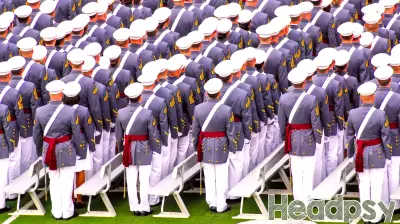
Personality Trait Beats Test Scores in Predicting West Point Leadership SuccessA new meta-analysis of West Point cadets suggests that personality matters more than raw intelligence when it comes to leading troops. While standardized test scores remain a solid predictor of...
October 3, 2026 - 18:04
Study Finds the Human Brain May Function as Two Separate OrgansA recent study suggests that the human brain emerges from two separate organs, a discovery that may impact future treatments for neurodegenerative diseases and brain disorders. Researchers...