An Observational Study of the Pet-Conversationalist Phenomenon
August 5, 2025 - 20:07

Recent observations have shed light on the intriguing behaviors of pet owners who engage in conversations with their furry companions as if they were fellow humans. This phenomenon, often seen as a whimsical aspect of pet ownership, is backed by psychological insights that reveal seven distinct traits common among these individuals.
Firstly, pet conversationalists often exhibit heightened empathy, demonstrating a strong ability to understand and share the feelings of their pets. This emotional connection fosters a deeper bond, allowing for more meaningful interactions. Additionally, these individuals tend to possess a rich imagination, often attributing human-like qualities to their pets, which enhances the playful dynamic of their relationships.
Moreover, studies suggest that those who talk to their pets frequently display higher levels of social intelligence, indicating that they are adept at navigating social situations and understanding non-verbal cues. These individuals may also experience reduced feelings of loneliness, as their pets provide companionship and emotional support.
In summary, the act of conversing with pets transcends mere affection; it reflects a complex interplay of emotional and psychological traits that enrich the lives of both the pet and the owner.
MORE NEWS

October 5, 2026 - 00:51
Psychedelic Drugs Advance Toward FDA Approval as Federal Support GrowsPsychedelic substances such as psilocybin and LSD are moving closer to federal approval, marking a significant shift in how regulators and researchers view these once-stigmatized compounds....

October 4, 2026 - 15:10
Psychology says children who talk to themselves while playing may be doing more than just thinking out loudChildren often talk to themselves while solving a puzzle, playing make-believe or working through a difficult task. This self-directed language, known as private speech, may be more than simple...
October 3, 2026 - 22:25
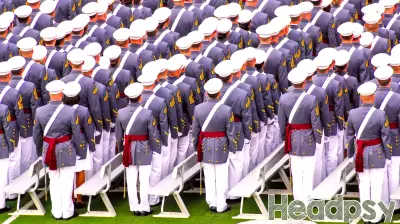
Personality Trait Beats Test Scores in Predicting West Point Leadership SuccessA new meta-analysis of West Point cadets suggests that personality matters more than raw intelligence when it comes to leading troops. While standardized test scores remain a solid predictor of...
October 3, 2026 - 18:04
Study Finds the Human Brain May Function as Two Separate OrgansA recent study suggests that the human brain emerges from two separate organs, a discovery that may impact future treatments for neurodegenerative diseases and brain disorders. Researchers...