Understanding the Roots of Social Anxiety: A Deep Dive into Its Origins
23 August 2026
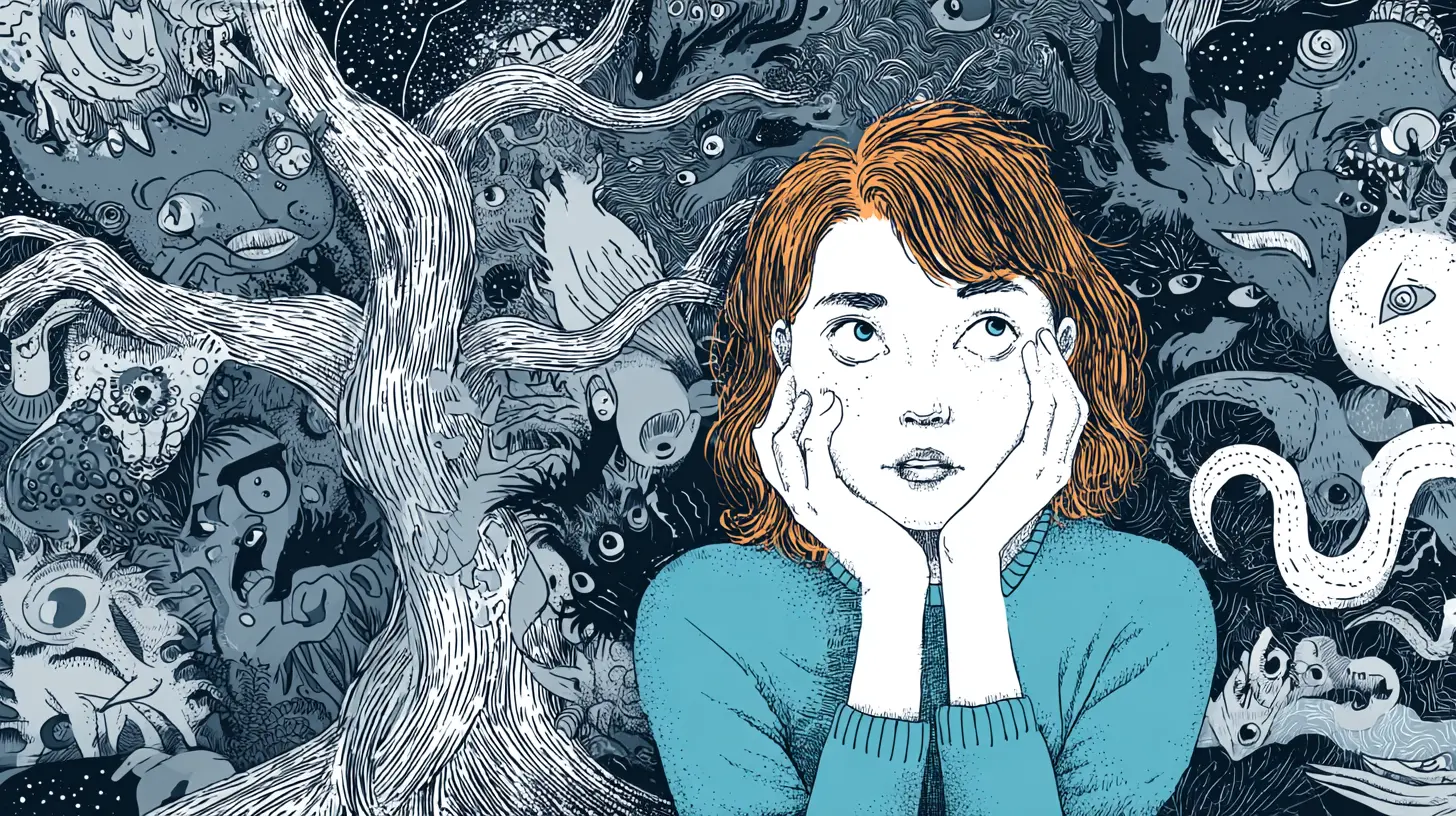
Let’s be honest—most of us have felt socially awkward at some point. Maybe it was during a school presentation, a job interview, or even just walking into a room full of strangers. That tight feeling in your chest, the racing heart, the endless thoughts of “What if I say something stupid?”—yeah, that’s social anxiety waving hello.
Now, imagine feeling like that all the time. That’s the day-to-day reality for people living with social anxiety. But where does it come from? Why do some people experience overwhelming anxiety in social situations while others seem to thrive? This article takes a deep and human look into the roots of social anxiety, peeling back the layers to see what’s really going on underneath.
What Exactly Is Social Anxiety?
Before we dig into the “why,” let’s clarify the “what.”Social anxiety, or social anxiety disorder (SAD), is more than just being shy or introverted. It’s a chronic mental health condition where social interactions cause irrational anxiety, fear of judgment, embarrassment, or humiliation. We're talking about intense and persistent fear here—of being watched, criticized, or rejected.
People with social anxiety often avoid social settings entirely. And when they do show up, every move they make is carefully monitored (by themselves), and they're often stuck replaying those moments in their heads for days afterward.
Common Symptoms of Social Anxiety
- Excessive self-consciousness- Fear of being judged or embarrassed
- Avoiding eye contact
- Sweating, trembling, or nausea in social environments
- Overanalyzing social interactions long after they’ve happened
Sounds exhausting, right? That’s why it’s so important to get to the root of it—because understanding where it comes from is the first step to managing it.
So, Where Does Social Anxiety Come From?
Ah, the million-dollar question: what actually causes social anxiety? The truth is, there’s no one-size-fits-all answer. It’s usually a mix of genetic, environmental, psychological, and even cultural factors. Let's break it down.1. Genetics: Is It Just in Your DNA?
If your mom bites her nails when she has to talk to strangers and your uncle avoids family gatherings like the plague, you might start to wonder—did I inherit this?Well, maybe.
Studies show that social anxiety can run in families. If you have a close relative with social anxiety, you're more likely to develop it yourself. However, this doesn’t mean it's all in your genes. Inherited traits like being more sensitive to social cues or having a more reactive stress-response system can make someone more prone to develop social anxiety—but environment matters, too (we'll get to that).
So, think of genetics as the soil. It can either support the growth of social anxiety—or not—depending on what else is planted.
2. Childhood Experiences: The Foundation of Fear
Our early years form the blueprint for how we interact with the world. Were you constantly criticized as a child? Did you grow up in an environment where you were expected to be “seen but not heard”? If so, your social anxiety might have roots in experiences like these.Being bullied, neglected, or even overprotected during childhood can contribute to social anxiety. When kids are taught—either directly or indirectly—that the world is critical or that their worth is tied to performance, they may start to internalize this fear of social judgment.
And let’s not forget about the impact of traumatic experiences. A single embarrassing moment in childhood—say, tripping in front of the class during show-and-tell—can stick like glue and grow into a much bigger fear.
3. Parenting Style: Helicopter or Hands-Off?
Surprisingly, too much attention can be just as harmful as too little.Parents who are overly protective might unintentionally send the message that the world is dangerous and that their child can’t handle it. On the flip side, emotionally distant or critical parents might cause children to question their self-worth.
Neither extreme is ideal. What’s interesting here is that it’s not just what happens but how a child interprets it. A parent’s actions may not seem harmful on the surface, but if a child perceives them as judgmental or dismissive, that can lay the groundwork for social anxiety.
4. Brain Chemistry and Structure: The Inner Wiring
Now, let’s take a peek under the hood.Research has shown that people with social anxiety may have differences in brain areas like the amygdala—the part responsible for processing fear. A hyperactive amygdala can cause an exaggerated fear response, especially in social situations.
It’s like your brain keeps hitting the alarm button, even when there’s no real danger. On top of that, imbalances in neurotransmitters like serotonin, dopamine, and GABA also play a role in mood regulation and anxiety.
Isn’t it wild how your own brain can turn into its biggest bully?
Social Anxiety in the Digital Age
Let’s talk about modern-day stressors—like social media.We’re living in a world where everyone’s highlight reel is on display 24/7. That’s a lot of pressure, isn’t it? Constant comparison, fear of missing out (FOMO), the pressure to respond “just right” to a post or message—all of these can heighten social anxiety.
Plus, it's easy for socially anxious individuals to hide behind screens, which might seem like a comfort zone at first, but in the long run, it can limit real-world social exposure and reinforce avoidance behaviors.
So while tech connects us, it can also deepen the disconnection from real-life social confidence.
Personality Traits That Feed Social Anxiety
Ever heard someone say, “Oh, I’ve always been the quiet type”? Well, certain traits can make someone more vulnerable to social anxiety over time.Introversion vs. Social Anxiety
Let’s clear something up—being an introvert isn’t the same as having social anxiety. Introverts simply prefer small groups and meaningful conversations. They might enjoy solitude, but they don’t fear social interaction.Social anxiety, on the other hand, is rooted in fear—of saying the wrong thing, being judged, or just not measuring up.
Perfectionism and People-Pleasing
If you're someone who needs every situation to go perfectly or constantly seeks approval from others, you might be fueling your own anxiety. Every social interaction becomes a test you can fail—and that’s exhausting.Cultural and Social Influences: The Bigger Picture
Let’s zoom out for a second.Your culture, community, and society can all shape how you see yourself—and how you believe others see you. In some cultures, being reserved is the norm. In others, being outspoken is celebrated. If your personality doesn’t match those expectations, social anxiety can creep in.
For example, growing up in a highly competitive environment where success and appearances matter can put immense pressure on individuals to “perform” socially. You start thinking, "If I don't meet the standard, I'll be rejected." And that thought alone can be paralyzing.
Can Social Anxiety Be Prevented?
Now for the good news—while you might not be able to control your DNA or change your past, there are steps you can take to reduce your risk (or manage it, if it's already here).Emotional Validation in Childhood
Kids need to know that it’s okay to feel anxious, scared, or awkward. When parents validate emotions instead of dismissing them, they help children build resilience and emotional literacy.Encouraging Gradual Exposure
Avoidance fuels fear. But gentle, gradual exposure to social situations can help individuals gain confidence, bit by bit. It's like exercising a muscle—the more you use it, the stronger it becomes.Seeking Help Early
There’s no shame in getting support. Therapy, especially cognitive-behavioral therapy (CBT), has been a game-changer for many dealing with social anxiety. It helps reframe negative thoughts and tackle fear through real-life practice.The Role of Self-Talk
Your inner voice—the little narrator in your head—can either be a supportive coach or a harsh critic.Socially anxious individuals often have a loud, negative inner critic that says things like, “You’re so awkward,” or “You messed that up.” One of the most powerful tools in managing social anxiety is changing that inner dialogue to something kinder and more realistic.
Think: “I felt nervous, but I did it anyway” vs. “I was so embarrassing.”
Final Thoughts
Understanding the roots of social anxiety isn't about pointing fingers or placing blame. It's about making sense of the tangled web of genetics, upbringing, personality, and environment that shape how we show up in the world.If social anxiety has been holding you back, take comfort in knowing that you're not flawed—you're human. And with the right insight, tools, and support, you can start to rewrite the story social anxiety has been telling you.
Because at the end of the day, every voice deserves to be heard—including yours.
all images in this post were generated using AI tools
Category:
Social AnxietyAuthor:

Jenna Richardson
Discussion
rate this article
1 comments
Yolanda Fisher
Understanding the roots of social anxiety is a vital step toward personal growth. By exploring its origins, we can break free from the constraints it imposes and embrace a more fulfilling life. Remember, awareness is the first step to change.
August 28, 2026 at 2:43 PM