Understanding the Early Warning Signs of Burnout
1 July 2026
Let’s face it—life can be a lot. Between work emails piling up, social obligations you’d rather skip, and trying to squeeze in a decent night’s sleep, it’s no surprise that we sometimes feel like we’re running on fumes. But what happens when that "overwhelmed" feeling doesn’t go away? When you’re mentally checked out, physically drained, and emotionally numb—welcome to the neighborhood of burnout.
Burnout isn’t just a buzzword people throw around after a stressful week. It’s a serious psychological condition that creeps up in sneaky, subtle ways. The worst part? Many folks don’t realize they’re headed straight for burnout until they’re knee-deep in it.
So, what are those early warning signs you should watch out for? Let’s break it down.
What Is Burnout, Really?
Before diving into the signs, let’s get clear on what burnout actually means. Burnout is a state of chronic physical and emotional exhaustion usually brought on by prolonged stress. It’s more than just being tired or unmotivated—it physically and mentally alters how you function.Think of burnout as a slow leak in a tire. You don’t notice it at first. The car still drives. But before long, you’re sitting on the side of the road wondering why you didn’t fill up sooner.
Why Early Detection Matters
Ignoring burnout symptoms is like ignoring your car’s check engine light. Sure, maybe you’ll coast for a bit, but eventually, something breaks. And trust me, it’s a lot harder to bounce back from full-blown burnout than to pump the brakes early on.Catching it early gives you the power to reset, re-prioritize, and recover. Let’s look at the red flags you shouldn’t sweep under the rug.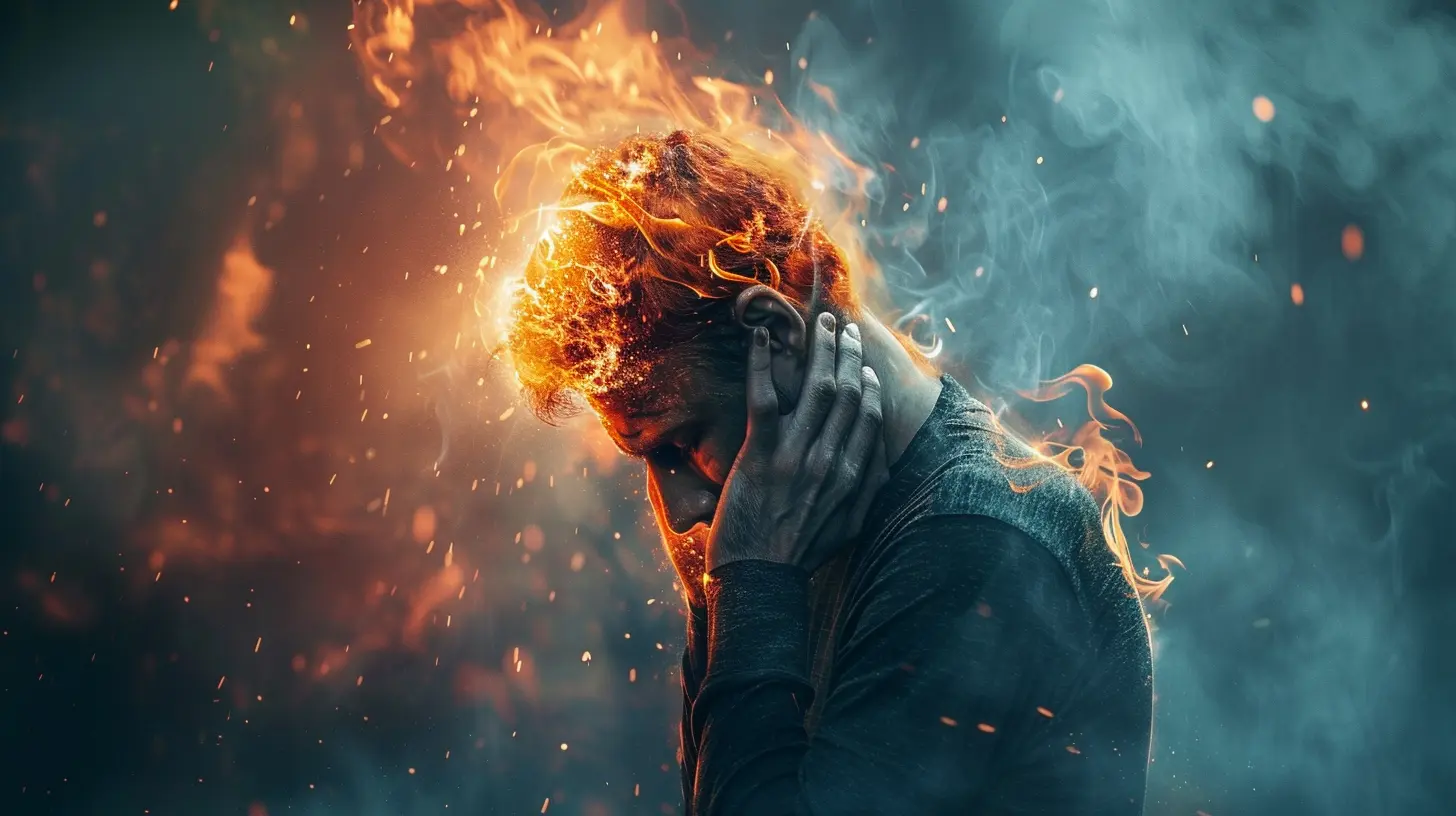
1. Constant Fatigue—Even After Rest
You know that feeling when you sleep eight hours and still wake up exhausted? That’s not just being "tired-tired." That’s burnout knocking.When you’re burned out, it’s like your battery never quite charges. No amount of coffee, naps, or energy drinks can zap you back into focus. It’s a deep, bone-level exhaustion that lingers no matter how "rested" you should feel.
If you're always running on empty, it's time to take a pause and ask: Is this just a busy week—or something more?
2. Cynicism or Detachment
Picture this: You used to love your job—now everything is annoying. Your coworkers bug you, meetings feel pointless, and you’re starting to ask yourself, "Why do I even care?"This cynical attitude or emotional distance isn’t just grumpiness—it’s a psychological shield. When your brain is overloaded with stress, it tries to protect itself by emotionally checking out. That detachment can show up as sarcasm, irritability, or just feeling numb about things you once enjoyed.
It’s your mind’s way of saying, “I’m done.”
3. Trouble Concentrating
Can’t remember what you were doing five seconds ago? Welcome to burnout brain.Chronic stress messes with your cognitive function. You might struggle to stay focused, forget things more often, or zone out in the middle of conversations. It’s like your mental bandwidth is full of pop-up ads and buffering screens.
You’re not getting dumber—you’re just overwhelmed.
4. Physical Symptoms
Burnout doesn’t just live in your mind—it shows up all over your body. Headaches, stomach aches, muscle tension, and even frequent colds can all be signs that your system is under siege from stress.When your body is constantly in fight-or-flight mode, your immune system takes a backseat. It’s not just "in your head”—your body is literally carrying the weight of your stress.
5. Reduced Performance
You might still be showing up—but you’re not really "there." Projects take longer, simple tasks feel like climbing Everest, and your usual spark is nowhere to be found.It’s frustrating, especially if you're a high-performer. But burnout saps energy and motivation. You’re trying to function on fumes, and eventually, it shows in your output.
6. Feeling Overwhelmed by Small Tasks
Ever burst into tears because you couldn’t find your keys? Or snapped at someone for asking what’s for dinner?When you're burned out, even tiny tasks feel monumental. Your stress threshold is shot. It’s like trying to carry groceries with already sore arms—eventually, something drops.
If everyday chores feel like too much, your emotional reserves are probably running low.
7. Loss of Motivation
Remember when you used to feel excited about your goals? Whether it was crushing it at work, training for that 10K, or finally starting that side hustle?Burnout shoves all that drive into a dark corner. Suddenly, you can’t muster the energy or interest to pursue things that once lit you up. The spark is gone, and everything feels kind of...meh.
It’s not laziness—it’s emotional depletion.
8. Changes in Sleep Patterns
Your sleep speaks volumes. Insomnia, restless nights, or even oversleeping can all be signs of burnout. And ironically, the more tired you are, the harder it becomes to get the kind of restful sleep you need.It’s a vicious cycle: stress ruins your sleep, and poor sleep makes stress even worse.
9. Increased Use of Coping Mechanisms
If you find yourself reaching for another glass of wine, binge-watching until 2 a.m., or scrolling mindlessly for hours—take note.We all have coping habits, but when these become a go-to escape, it could be masking deeper emotional strain. These quick fixes might soothe the stress temporarily, but they often leave you feeling worse afterward.
10. Feeling Empty or Hopeless
This one’s big. If you’re starting to feel like nothing matters, or that no matter what you do it’s never enough, don’t ignore it. That sense of emptiness or hopelessness is one of the more serious signs of burnout and often overlaps with symptoms of depression.It’s okay to not be okay. But if this feeling lingers, or gets worse, it’s time to talk to someone—friend, therapist, coach—anyone.
So, What Causes Burnout in the First Place?
Burnout is rarely caused by just one thing. More often, it’s a buildup of multiple stressors chipping away at your energy over time. Here are some common culprits:- Unrealistic workloads
- Lack of control or autonomy
- Poor work-life balance
- Toxic environments (yes, even remote work can be toxic)
- Not enough rest or recovery
- Lack of support or recognition
Burnout doesn’t mean you’re weak. It means you’ve been strong for too long without enough fuel in your tank.
How to Reverse the Burnout Clock
Okay, so what now? If some (or all) of these symptoms are hitting a little too close to home, don’t panic. The good news? Burnout can be reversed. It just takes awareness, intention, and a little TLC.1. Acknowledge It
You can’t fix what you don’t admit. So give yourself permission to say, “I’m burned out.” That’s not defeat—it’s step one.2. Disconnect to Reconnect
Seriously, unplug. Take time away from screens, work, and even social media. Your brain needs space to breathe again.3. Set Boundaries
Start saying "no" more often. Prioritize your needs. Protect your time like it’s gold—because honestly, it is.4. Reassess Your Priorities
What really matters to you? What are you doing out of obligation, and what actually brings joy? Get honest with yourself about what’s worth your energy.5. Rebuild Healthy Habits
Start small. Drink more water. Take walks. Get to bed earlier. Eat foods that actually nourish you. Burnout recovery isn’t about radical change—it’s about consistent baby steps.6. Talk to Someone
Burnout thrives in silence. Whether it’s a therapist, a coach, or a trusted friend—don’t go it alone.When Should You Seek Professional Help?
If the symptoms of burnout are affecting your relationships, your ability to function, or your mental health in a deeper way, it’s time to reach out to a mental health professional.There’s zero shame in asking for help. In fact, it’s one of the most powerful things you can do.
Final Thoughts
Burnout doesn’t just sneak up overnight—it builds slowly. Like a storm gathering on the horizon, the signs start off small and gradually become impossible to ignore.If you’ve been feeling off lately, listen to that inner voice. The truth is: rest isn't a reward; it's a requirement. Your well-being deserves to be a priority—not a last-minute emergency.
Take the signs seriously. Give yourself the same care you’d give a friend. Trust me—your future self will thank you.
all images in this post were generated using AI tools
Category:
BurnoutAuthor:

Jenna Richardson
Discussion
rate this article
1 comments
Julian McGowan
Recognizing early warning signs of burnout is crucial for mental health. Symptoms like chronic fatigue, irritability, and decreased motivation often go unnoticed. Proactively addressing these signs can lead to healthier coping strategies and prevent deeper emotional exhaustion.
July 1, 2026 at 3:43 AM
Jenna Richardson
Absolutely, recognizing those early signs is essential. Being proactive can make all the difference in maintaining mental well-being.