Understanding the Early Signs of Bipolar Disorder
8 March 2026
If someone in your life has ever swung from sky-high energy to crushing lows, almost like flipping a switch, they might be living with something more than just moodiness. Bipolar Disorder, often misunderstood and misdiagnosed, tends to sneak into people’s lives quietly—but with massive impact. Catching the early signs can make all the difference in managing it before things spiral out of control.
Let’s dive into what bipolar disorder really is, what those first red flags look like, and how early recognition can be a game-changer.
What Is Bipolar Disorder?
Bipolar disorder is a mental health condition that causes extreme mood swings. These shifts include emotional highs, known as mania or hypomania, and deep lows, often identified as depression.Think of it this way: while most of us ride a train that goes up and down mildly during daily life, a person with bipolar disorder is on a rollercoaster—unpredictable, intense, and sometimes dangerous.
What's interesting is that these mood swings aren’t just "bad days" or "enthusiastic moments." We're talking about drastic shifts that affect sleep, energy, thinking patterns, decision-making, and the ability to function day-to-day.
There are a few different types of bipolar disorder, but the major ones include:
- Bipolar I Disorder: Characterized by full-blown manic episodes lasting at least 7 days, often followed by depressive episodes.
- Bipolar II Disorder: Marked by hypomanic (less intense than mania) and depressive episodes, without full manic episodes.
- Cyclothymic Disorder: A milder version with chronic fluctuating moods over years, but never quite reaching full mania or severe depression.
Why It’s So Hard to Spot Early
Here’s the thing—bipolar disorder doesn’t usually show up with a neon sign saying, “Hey! Something’s wrong!” In fact, early symptoms often get brushed off as stress, teenage angst, or just being “moody.”Many people go undiagnosed for years because the signs can mimic other mental health conditions—like ADHD, anxiety, or depression.
So what should you pay attention to?
Early Signs of Bipolar Disorder to Watch For
Let’s break this down into two categories: early signs of mania/hypomania and early signs of depression. Someone can show signs of one phase before the other, depending on which type of bipolar disorder they have.Early Signs of Mania or Hypomania
When you're catching the early flickers of mania or hypomania, it may not look as dramatic as you'd expect. It might even seem like someone is just in a really good mood—or being “super productive.” But there's usually more beneath the surface.Here are some subtle signs to watch for:
1. Increased Energy and Activity Levels
We're not talking normal motivation here. Think "suddenly painting their whole apartment at 3 a.m. for no reason" kind of energy. They may feel wired, like they’ve had ten cups of coffee (even if they haven’t).2. Decreased Need for Sleep
You’ll hear them say things like, “I only slept two hours last night but I feel amazing!” That’s a red flag. Everyone needs sleep. When someone starts consistently needing much less and still has tons of energy, pay attention.3. Racing Thoughts and Talking Fast
It can feel like their brain is a radio stuck between stations—thoughts bouncing around at lightning speed. They might jump from topic to topic in conversation and be hard to follow.4. Inflated Sense of Confidence
They might suddenly believe they can do anything—start five businesses, write a novel in a weekend, or take on projects way beyond their skills or resources. This overconfidence can lead to poor decisions.5. Risky or Impulsive Behavior
This could look like reckless spending, dangerous driving, sudden travel plans, or uncharacteristic sexual behavior. The danger isn't always the behavior itself—it’s the lack of awareness of consequences.Early Signs of Depression
Depressive symptoms might show up before or after mania. These get mistaken for “just being sad,” but the impact goes far deeper.1. Persistent Sadness or Emptiness
This isn’t just having a rough day. It’s a pervasive low mood that hangs around for weeks. Some people describe it as feeling numb or like they’re carrying a heavy weight they can’t shake.2. Loss of Interest in Things Once Enjoyed
If someone suddenly stops caring about hobbies, friends, or activities they once loved, that’s a warning sign. Depression tends to steal the joy from even your favorite things.3. Fatigue or Loss of Energy
Even if they sleep 10 or 12 hours, someone may feel utterly exhausted. It’s not laziness—it’s like their emotional gas tank is empty.4. Changes in Appetite or Weight
Some eat much more, others stop eating altogether. Either way, unexplained weight changes can point to a deeper emotional struggle.5. Thoughts of Death or Suicide
This is the most serious red flag. Even passive thoughts like “Everyone would be better off without me” need to be taken incredibly seriously. Always encourage professional help when this comes up.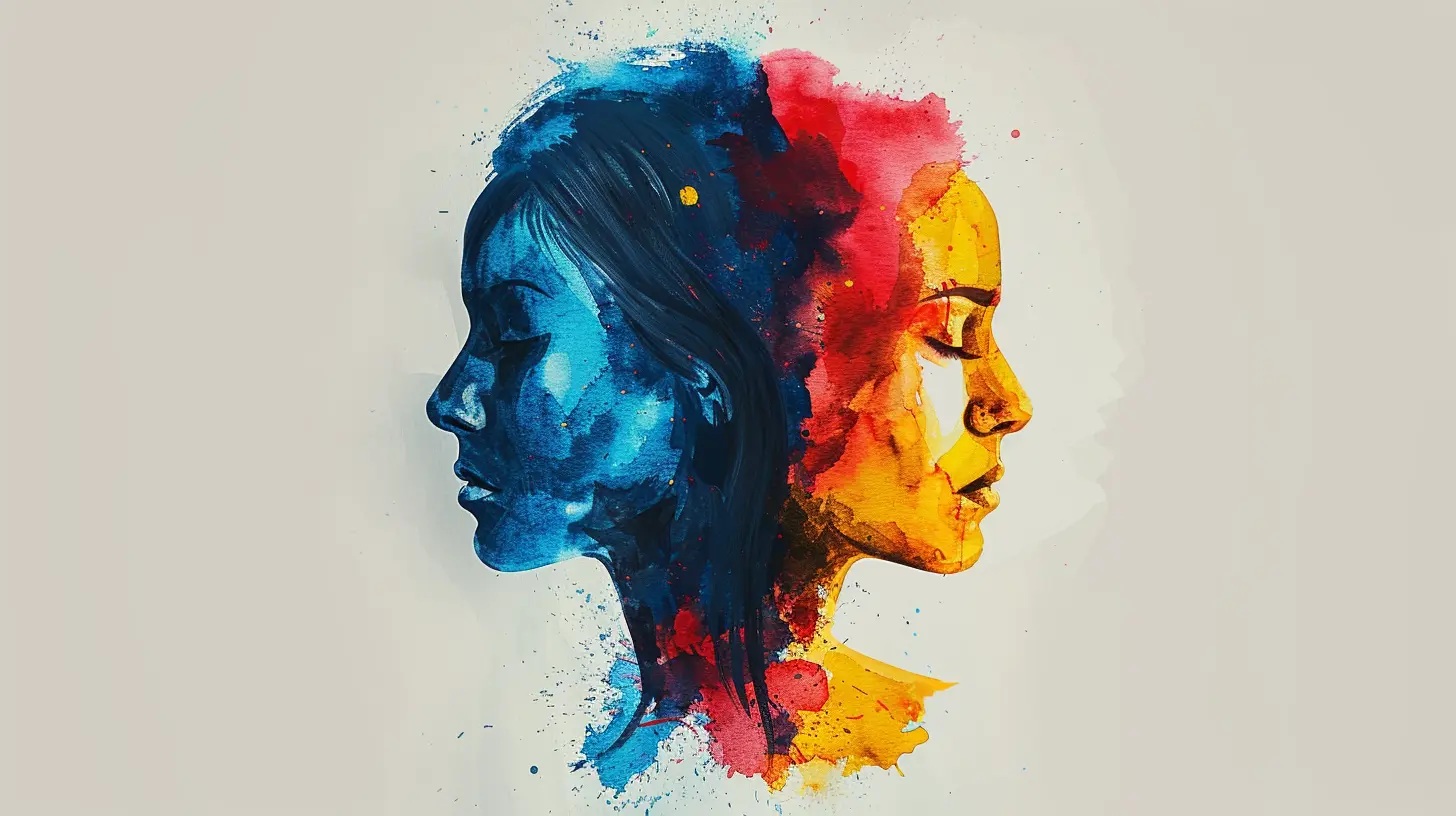
How Early Do Signs Show Up?
On average, most people start experiencing symptoms of bipolar disorder in their late teens or early twenties. But let’s be real—this isn’t a hard-and-fast rule. Some people show signs in childhood or even develop symptoms later in adulthood.The earlier it starts, the trickier it can be to diagnose. Why? Because teenagers are moody by nature, right? But there's a difference between typical adolescence and something more serious.
Key takeaway: if mood changes are extreme, unpredictable, or disruptive to daily life, they’re worth checking out.
Bipolar Disorder vs. Normal Mood Swings
Everyone has mood swings. Life is messy—things happen, and emotions fluctuate.But bipolar mood swings are different. They:
- Are more intense and extreme
- Last longer—days or even weeks
- Disrupt work, school, and relationships
- Can come with psychotic symptoms (like hallucinations or delusions) in severe manic or depressive episodes
Imagine watching someone switch from laughing uncontrollably to weeping in the span of an hour—and this isn’t just one off-day, but a recurring pattern. That’s when the alarm bells should ring.
Why Early Detection Really Matters
The earlier bipolar disorder is diagnosed, the better the chances of managing it effectively. Untreated, it can wreck relationships, careers, and even lives.But with proper treatment—usually a combo of medication and therapy—most people can live stable, fulfilling lives.
Early intervention might:
- Shorten the duration of mood episodes
- Reduce the severity of future episodes
- Help prevent substance abuse, which many people turn to in an effort to self-medicate
- Save time, money, and emotional strain
Think of it like this: It’s way easier to patch a small leak than replace an entire roof after a storm. The same goes for mental health.
What To Do If You Spot These Early Signs
So, what if you’ve read through this and someone is popping into your mind… maybe a friend, sibling, or even yourself?Here’s what you can do:
1. Start The Conversation
Be gentle. Don’t come in hot with “I think you’re bipolar!” Instead, ask how they’ve been feeling. Point out specific behavior changes with empathy, not judgment.2. Encourage Professional Help
A therapist, psychiatrist, or even a family doctor can be a solid starting point. The sooner they get evaluated, the sooner they can get answers.3. Educate Yourself and Others
Knowledge really is power. The more you understand bipolar disorder, the better you can support the person going through it.4. Monitor and Track Symptoms
Keeping a symptom journal (there are apps for this too!) can be super helpful for professionals trying to assess severity and patterns in mood shifts.Don’t Blame—Support
Remember, bipolar disorder isn’t a character flaw or a personal failure. It’s a medical condition. Just like you wouldn’t judge someone for having asthma or diabetes, the same compassion applies here.People with bipolar disorder often face stigma and shame. But they don’t need fixing—they need understanding.
Final Thoughts
Recognizing the early signs of bipolar disorder is like spotting the smoke before the fire. It's not always easy, and it can be uncomfortable. But the impact of catching these signs early is huge.If you're someone who sees these signs in yourself or others, don't wait. Talk to someone. Reach out. Getting help doesn’t mean you’re weak—it means you’re taking control.
You may not be able to stop the storm, but with the right support, you can certainly weather it—and even find sunshine on the other side.
all images in this post were generated using AI tools
Category:
Bipolar DisorderAuthor:

Jenna Richardson
Discussion
rate this article
2 comments
Harrison Sanchez
Peering into the mind's shadows, early signs of bipolar disorder can unveil hidden truths—what secrets lie beneath the surface?
March 17, 2026 at 4:41 PM
Jenna Richardson
It's true that recognizing early signs can reveal a lot. Understanding these hidden truths is essential for effective support and treatment.
Allison Anderson
Great article! Understanding the early signs of bipolar disorder is crucial for timely support. It’s so important to raise awareness and foster open conversations about mental health!
March 8, 2026 at 5:19 AM
Jenna Richardson
Thank you for your insightful comment! I completely agree—raising awareness is vital for timely support and open conversations about mental health.