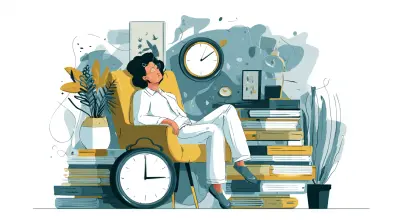
Understanding and Managing Burnout in a Fast-Paced World
28 February 2026
Burnout. We've all heard the term tossed around like a sad little frisbee of exhaustion. It creeps up on you, turns your brain into mush, and makes you question your life choices—like why you ever agreed to that extra project or why you thought four cups of coffee was a solid meal plan.
In today’s fast-paced world, burnout is practically an epidemic. Between work deadlines, social obligations, and the constant pinging of notifications, it’s no wonder we’re all mentally fried. But fear not! This article will break down what burnout is, why it happens, and—most importantly—how to manage it before you turn into a sleep-deprived zombie. 
What Exactly Is Burnout?
Think of burnout as your brain waving a tiny white flag, begging for a break. It’s not just feeling tired after a long day—it’s prolonged physical, emotional, and mental exhaustion caused by excessive and prolonged stress. Psychologist Herbert Freudenberger coined the term in the 1970s, and honestly, the man was onto something.Burnout typically sneaks in with three major symptoms:
- Exhaustion: No matter how much sleep you get, you're always drained.
- Cynicism & Detachment: You start side-eyeing your coworkers, dreading tasks you once enjoyed, and fantasizing about escaping to a deserted island.
- Ineffectiveness: Simple tasks feel monumental, and your productivity plummets faster than your phone battery on 1%.
If you're nodding along to all this, congratulations (or condolences)—you might be experiencing burnout. 
Why Are We All Burnt Out?
The real question is: why wouldn't we be? The modern world practically hands you burnout on a silver platter. Here’s why:1. The Hustle Culture Brainwashing
Somewhere along the way, society decided that working non-stop was a badge of honor. "Rise and grind!" they say. But let’s be real—if sleep deprivation and stress were Olympic sports, we'd all have gold medals.2. The Never-Ending Digital Overload
Ever feel like your phone is another limb? We’re constantly bombarded with emails, messages, and notifications. Even when we’re “off the clock,” our brains are still on duty, anxiously awaiting the next ping.3. The Impossible Work-Life Balance
Balancing a career, social life, personal growth, and (oh yeah) sleep? It’s like juggling flaming torches... while riding a unicycle... on a tightrope. No wonder we’re exhausted.4. Lack of Boundaries
If you answer work emails in bed or agree to every request, congrats! You’ve given burnout a VIP pass straight into your life.
How to Manage and Prevent Burnout (Before It Eats You Alive)
So, you’re exhausted, cynical, and drowning in your to-do list. What now? Here’s how to put burnout in its place.1. Set Boundaries Like Your Sanity Depends on It (Because It Does)
If you're always saying "yes" when you want to scream "NO," it's time for some tough love. Boundaries are your best friend. Stop checking emails after hours. Say no to things that drain you. Protect your peace like it’s the last slice of pizza.2. Prioritize Rest (And No, Scrolling in Bed Doesn’t Count)
Sleep isn’t just "nice to have"—it’s essential. You can’t function if you’re running on fumes. Aim for 7-9 hours of quality sleep. And no, caffeine is not a substitute for rest.3. Take Breaks—Like, Actual Breaks
Your brain needs downtime. Step away from the screen, go for a walk, listen to music—anything that isn’t staring at your laptop with dead eyes.4. Find Joy in the Little Things
Burnout makes everything feel robotic. Reignite joy by doing something just for fun—whether that's baking cookies, dancing in your kitchen, or finally starting that hobby you’ve been putting off.5. Talk About It
Burnout loves isolation. Vent to a friend, chat with a mentor, or seek professional help if needed. You don’t have to tackle it alone.6. Move Your Body (Even If It’s Just a Wiggle Dance)
Exercise isn’t just good for your body—it’s great for your brain. Even a short walk or a ridiculously dramatic dance session in your living room can help shake off stress.7. Unplug Before Your Brain Short-Circuits
Technology is a double-edged sword. Take phone-free breaks, mute notifications, and stop doom-scrolling before bed. Your brain will thank you.8. Celebrate Small Wins (Because Nobody Else Will Do It for You)
Finished a task? Survived a tough week? Celebrate! Treat yourself to something small—a fancy coffee, a guilt-free Netflix binge, or a literal pat on the back.
When to Seek Professional Help
If burnout is turning your daily life into an emotional wasteland, it might be time to seek professional support. Chronic exhaustion, extreme mood swings, or feelings of hopelessness aren’t things you should just "push through." A therapist or counselor can help you develop coping strategies and regain control.Final Thoughts
Burnout isn’t a badge of honor—it’s a warning sign. Life’s too short to spend it feeling like a human-shaped melted candle. The world may be fast-paced, but you don’t have to keep sprinting until you collapse. Slow down, set boundaries, and prioritize your well-being.After all, you’re not a robot—you’re a person. And people need rest, joy, and maybe a few extra naps.
all images in this post were generated using AI tools
Category:
Mental Health EducationAuthor:

Jenna Richardson
Discussion
rate this article
2 comments
Sablethorn Perry
Great insights! Burnout is so prevalent today—it's crucial to prioritize our mental health. Thanks for shedding light on this important topic!
March 13, 2026 at 6:06 PM
Jenna Richardson
Thank you! I'm glad you found it helpful. Prioritizing mental health is essential, especially in today's fast-paced environment.
John Montgomery
This article raises fascinating insights into the complexities of burnout. I'm curious about how environmental factors contribute to individual experiences of burnout. What specific strategies can we adopt in our daily lives to better manage stress in such a fast-paced environment?
March 2, 2026 at 4:06 AM
Jenna Richardson
Thanks for your comment! Environmental factors like workplace culture and social support play a big role in burnout. To manage stress, consider setting boundaries, taking regular breaks, and prioritizing self-care activities that help you recharge.