The Role of Sleep in Preventing and Healing Burnout
25 June 2026
Let's be honest—we've all hit that wall. You're running on fumes, every day feels like one long Monday, and the thought of another Zoom meeting might send you into a spiral. Welcome to the world of burnout. But here’s a twist: instead of chugging another coffee or scribbling frantically on your to-do list, what if the answer to all that exhaustion is something deceptively simple? Something you do every night—well, sort of. Yep, we’re talking about sleep.
Sleep isn't just about shutting down for the night. It’s a biological reboot, a mental detox, and, believe it or not, one of your strongest weapons against burnout. So grab your comfiest blanket (or at least imagine it), and let’s dive into how sleep plays a major role in both preventing and healing burnout.
What Is Burnout, Really?
Before we talk sleep, let’s break down burnout. You've probably heard this buzzword a thousand times, but what does it actually mean?Burnout is more than just being tired—it’s a full-blown state of emotional, physical, and mental exhaustion caused by prolonged stress. Think of it like a car engine overheating because it’s been running on empty for too long. The signs? Constant fatigue, cynicism about work, reduced performance, and a creeping sense of hopelessness. Charming, right?
Burnout thrives in a culture of overwork, perfectionism, and endless hustle. And while bubble baths and vacation days help, they’re temporary fixes. Sleep, on the other hand, is like a daily reset button. But how does that work?
Sleep: Your Brain’s Housekeeper
Imagine your brain as a cluttered office. During the day, you pile on emails, sticky notes, snacks, deadlines—you name it. By the end of the day, it's chaos. Sleep is your overnight cleaning crew. While you snooze, your brain sorts, files, deletes, and refreshes. It’s like Marie Kondo shows up in your head and says, “Does this thought spark joy?” No? Toss it.More scientifically, during deep sleep, your brain activates the glymphatic system (a kind of neural housekeeping team), flushing out toxins and metabolic waste. This includes beta-amyloid—a protein linked to Alzheimer’s. So yes, sleep literally clears your head.
But it’s not just spring cleaning. Sleep also restores energy, balances hormones, and repairs tissues—all key in the fight against burnout.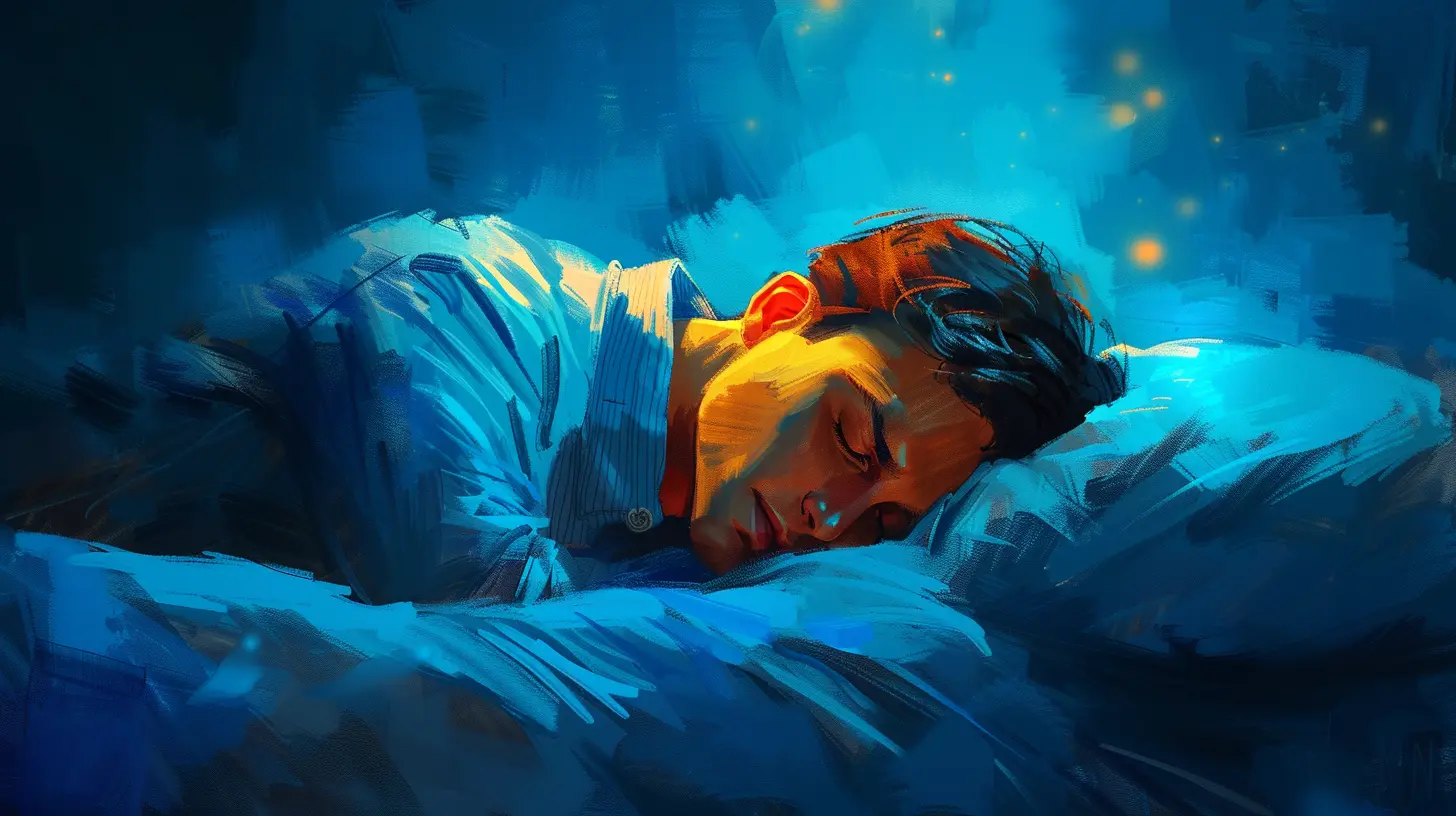
The Sleep-Burnout Cycle: A Vicious Loop
Here’s the sneaky part: burnout ruins your sleep, and poor sleep accelerates burnout. Yep, it’s a double-edged sword.When you're burned out, your stress hormones (like cortisol) go haywire. You may feel wired but exhausted—ever lie in bed exhausted but your brain is replaying that awkward meeting from three years ago? That’s cortisol at work.
Sleep deprivation, in turn, reduces your brain’s ability to regulate emotions, think clearly, and make decisions—skills you critically need when you're facing burnout. So, the more burned out you get, the worse you sleep. And the worse you sleep, the more burned out you feel. Ugh.
The Science of Sleep: A Quick Crash Course
Okay, let’s nerd out just a little. Sleep isn’t one single block of unconsciousness; it occurs in cycles, each lasting about 90 minutes. There are two major types:- Non-REM sleep (includes light and deep sleep): Deep sleep is when physical recovery happens.
- REM sleep (Rapid Eye Movement): This is when your brain processes emotions, forms memories, and dreams.
For full restoration, your body needs to cycle through various stages several times a night. Missing out on either stage messes with your mood, memory, immune function, and energy levels—all critical when you’re trying to recover from burnout.
So, How Exactly Does Sleep Help Prevent Burnout?
Let’s break it down:1. Recharge Your Mental Batteries
Burnout fries your brain, especially the prefrontal cortex—the area responsible for decision-making, planning, and emotional regulation. Quality sleep resets these areas, helping you regain focus, reduce irritability, and get back on track.2. Emotional Regulation
Tired brains overreact. Ever cry at a dog food commercial after a bad night’s sleep? That’s because REM sleep helps regulate your emotions. When you skimp on sleep, your amygdala (the brain’s emotion center) goes into overdrive. You’re more likely to feel anxious, overwhelmed, and emotionally drained—all classic burnout symptoms.3. Boosted Resilience
Think of sleep as emotional armor. When you're well-rested, you're better equipped to handle stress, navigate conflict, and bounce back from setbacks. That means you're less likely to end up in burnout territory in the first place.4. Hormonal Balance
Sleep helps regulate cortisol, the stress hormone that often goes haywire during burnout. It also supports the production of melatonin (your sleep hormone) and serotonin (your mood stabilizer). It’s like sleep is running a backstage operation just to keep your body's Broadway show on point.Can Sleep Heal Burnout Once It’s Already Hit?
Short answer: Yes, but with a few caveats.Sleep isn't a magic eraser, but it's one of the most powerful healing tools we have. Deep, consistent sleep gives your brain and body the time they need to repair damage caused by chronic stress.
Think of recovery like healing a sprained ankle. You need rest, time, and less strain. Sleep offers just that—for your mind.
However, to truly heal from burnout, sleep needs to be part of a broader lifestyle shift. Think: boundaries, self-care, meaningful connection, and maybe talking it out with a therapist. But without sleep? The rest won’t stick.
The Sleep Prescription: How Much Do You Really Need?
The golden number most experts agree on? 7 to 9 hours a night for adults. But it’s not just about quantity—quality matters, too.Here’s how to optimize both:
Set a Consistent Schedule
Go to bed and wake up at the same time every day—even on weekends. Your body thrives on routine.Create a Sleep Sanctuary
Cool room, blackout curtains, no buzzing phones. Treat your bedroom like a spa, not a second office.Ditch the Screens Before Bed
That blue light? It messes with melatonin production. Try reading a book or journaling instead.Say No to Caffeine After 2 PM
It lingers in your system and can mess with your sleep architecture.Unwind With Intention
Build a wind-down routine. Think: warm shower, light stretching, calming music. Your brain needs cues that it’s time to power down.Sleep + Strategy = Burnout Shield
Sleep alone won't upgrade your life—but it gives you the clarity, patience, and resilience to make better choices. It’s the foundation. Once your brain is firing on all cylinders again, you're better equipped to:- Set healthier boundaries at work
- Recognize early signs of burnout
- Communicate needs clearly
- Prioritize activities that actually recharge you
Sleep isn't running away from your problems. It's giving your brain the tools it needs to face them.
Real Talk: What If You Just Can’t Sleep?
If insomnia has become your annoying roommate, it’s time to take a deeper look.- Track your sleep. Use a journal or app to find patterns.
- Address anxiety. Racing thoughts can hijack bedtime. Try breathwork, meditation, or Cognitive Behavioral Therapy for Insomnia (CBT-I).
- See a professional. Don’t tough it out—sleep specialists can work wonders.
The Morning After: Reaping the Rewards
Waking up after a good night’s sleep feels like levelling up in a video game. You’re sharper, calmer, more in control. That sense of emotional resilience isn’t an illusion—it’s real, and it builds every day you make sleep a priority.Refreshed sleep is the secret weapon most people don’t even know they have. And in a culture that glorifies hustle, choosing sleep is a radical act of self-respect. It says, “I value my well-being more than my inbox.”
Final Thoughts: Snooze Your Way Back to Sanity
We often look for complicated solutions to burnout—yoga retreats, productivity hacks, kale smoothies. And while those can help, don’t overlook the simplest fix of all. Because sometimes, the most productive thing you can do is go to bed.Sleep isn’t lazy. It’s smart. It repairs your body, reboots your brain, and recharges your spirit. If burnout is a wildfire, sleep is the rain.
So tonight, close that laptop. Put your phone on “Do Not Disturb.” Pull the covers up to your chin and let your brain do what it does best—heal.
Sweet dreams, burnout warrior. You’ve earned it.
all images in this post were generated using AI tools
Category:
BurnoutAuthor:

Jenna Richardson
Discussion
rate this article
1 comments
Briar Daniels
This article provides valuable insights into the critical link between sleep and burnout. It's a reminder that prioritizing rest is essential for mental health and overall well-being. Thank you for highlighting such an important topic in today's fast-paced world.
June 28, 2026 at 2:25 AM
Jenna Richardson
Thank you for your thoughtful comment. I'm glad you found the insights valuable. Rest truly is crucial for mental health.