The Role of Play and Recreation in Mental Health
11 July 2026
Introduction
Ever wondered why kids always seem happy when they play? It’s because play isn’t just fun—it’s therapeutic. And guess what? Adults need it just as much! In today’s fast-paced world, we often forget to take a break, let loose, and enjoy ourselves. But did you know that play and recreation can significantly improve mental health? Yep, it’s true!
In this article, we’ll dive into why play isn’t just for kids, how recreation boosts mental well-being, and how you can incorporate more fun into your life. Ready? Let’s jump in!
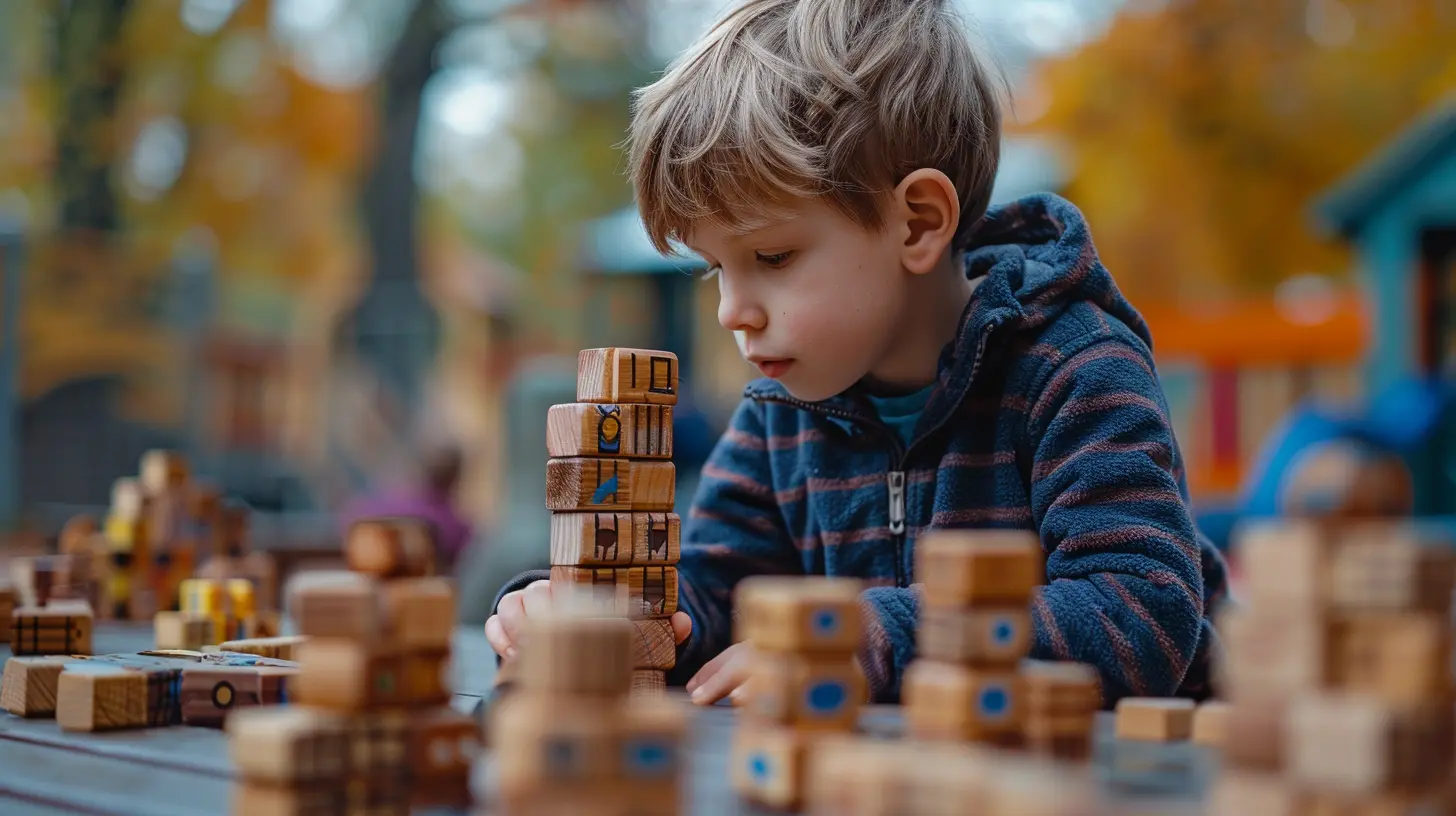
Why Play and Recreation Matter for Mental Health
We all deal with stress, anxiety, and overwhelming responsibilities. But play? It’s a natural stress reliever. Engaging in recreational activities helps improve mood, reduce anxiety, and boost overall mental well-being. Here’s how:1. Play Reduces Stress & Anxiety
Ever noticed how you feel lighter after laughing with friends or playing a game? That’s because play releases endorphins, the body’s natural feel-good chemicals. These hormones help reduce stress and anxiety, making you feel relaxed and happier.Think of it like hitting a reset button on your brain. When you engage in a fun activity, you get a break from your worries, allowing your mind to recharge. Whether it’s playing a board game, painting, or even dancing in your living room—play gives you a mental escape.
2. Boosts Creativity and Problem-Solving
Ever feel stuck in a rut? Play can help! Engaging in recreational activities stimulates creativity, allowing you to think outside the box and come up with innovative solutions.Just like kids build imaginary worlds with their toys, adults can unlock fresh perspectives through play. Activities like puzzles, drawing, or even role-playing games challenge the brain, improving cognitive flexibility and decision-making skills.
3. Strengthens Social Connection
Humans are social creatures, and play brings people together. Whether it’s sports, board games, or team-based activities, play encourages bonding and deepens relationships.Have you ever noticed how laughter spreads in a group setting? That’s because shared experiences create stronger emotional connections. Playing with others fosters trust, improves communication, and even helps battle loneliness.
4. Encourages Mindfulness and Presence
In a world dominated by deadlines and screens, we often forget to enjoy the moment. Play forces you to be present. Whether it’s a recreational sport, a craft project, or an engaging video game, play pulls you into the "now."This mindfulness helps reduce overthinking and negative thoughts. Instead of worrying about the future or stressing over the past, play keeps you engaged in the present moment—just like meditation but way more fun!
5. Improves Emotional Resilience
Life isn’t always smooth sailing. There are challenges, failures, and unexpected hurdles. But play teaches us resilience.Ever lost a game only to try again? That’s resilience in action! When we play, we learn to accept failure, adapt, and try again without feeling defeated. These lessons translate into real life, helping us handle setbacks with a positive attitude.
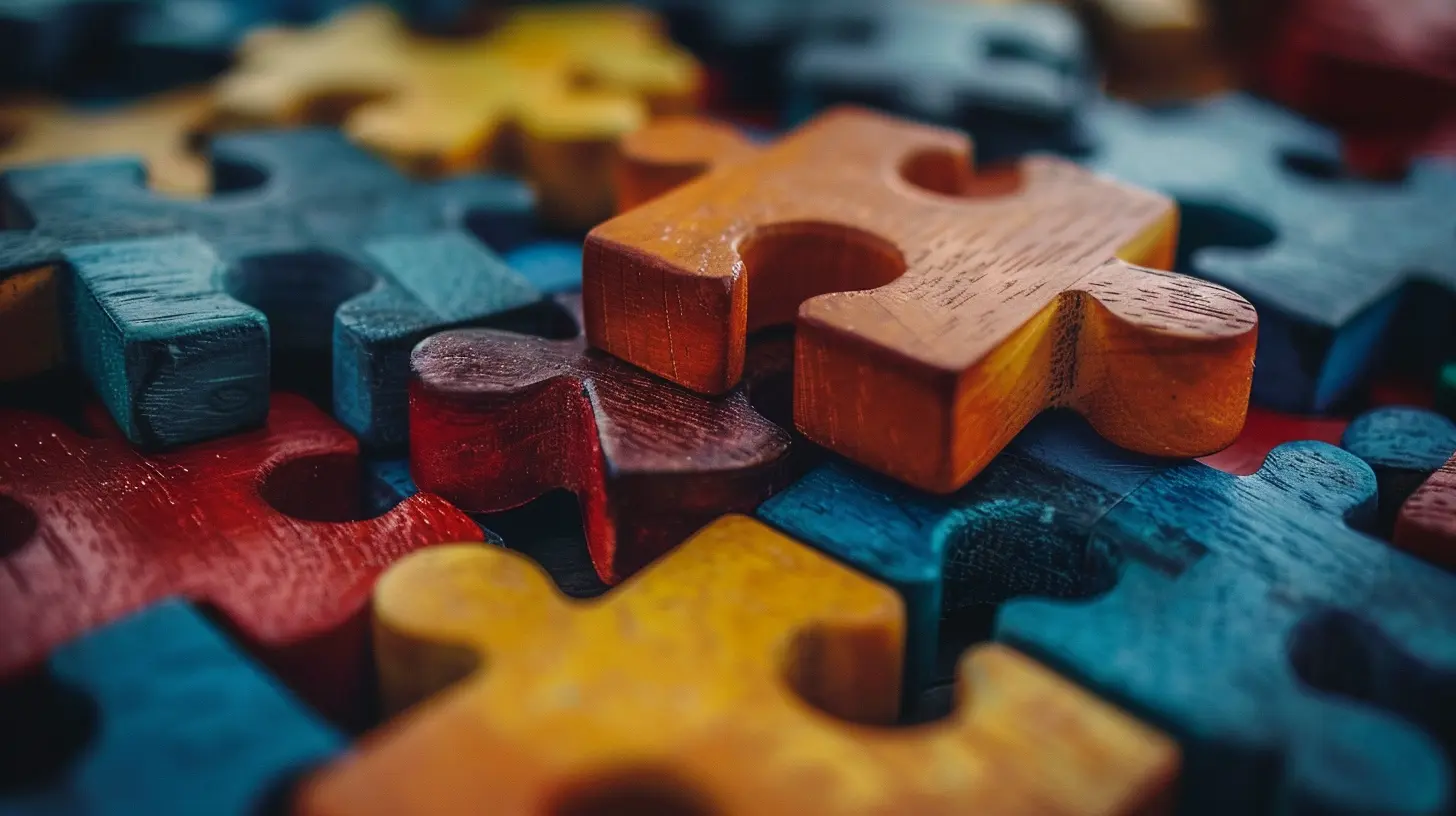
How Different Types of Play Benefit Mental Health
Not all play looks the same! Depending on your personality and preferences, different types of recreational activities can boost your mental well-being. Let’s dive into a few:1. Physical Play (Sports & Exercise)
Playing sports, dancing, or simply going for a run isn’t just great for your body—it’s a game-changer for mental health. Physical activity releases endorphins, reduces cortisol levels (the stress hormone), and improves brain function.Feeling down? Try engaging in a fun workout like Zumba, swimming, or even a friendly game of basketball. You’ll be surprised how much lighter you’ll feel afterward!
2. Creative Play (Art, Music & Writing)
Ever felt a sense of relief after pouring your thoughts onto paper or painting a picture? That’s the magic of creative play! Activities like drawing, singing, sculpting, or writing serve as emotional outlets.Creativity allows you to express emotions that might be difficult to verbalize. Plus, the process itself is incredibly therapeutic. Even if you’re not an artist or a writer, just doodling or journaling can help relieve stress.
3. Social Play (Games, Role-Playing & Team Activities)
Board games, role-playing games (RPGs), and even improv theater can significantly boost mental health. These activities improve social interaction, enhance problem-solving skills, and create shared laughter.Need a mood boost? Call some friends for a game night—it’s an instant happiness booster!
4. Solitary Play (Puzzles & Mind Games)
Not a fan of group activities? That’s okay! Solo recreational activities like crossword puzzles, Sudoku, or even playing an instrument can be just as beneficial.These activities challenge the brain, improve memory, and provide a sense of accomplishment. Plus, they’re a great way to unwind without social pressure!
5. Outdoor Recreation (Hiking, Camping & Gardening)
Nature has a calming effect on the mind. Activities like hiking, camping, or even gardening can reduce stress and improve mood.Being in nature lowers cortisol levels and enhances overall well-being. So if you’re feeling mentally drained, step outside, breathe in the fresh air, and engage in an outdoor activity—it works wonders!

How to Incorporate More Play into Your Life
Now that we know how beneficial play is, how can we incorporate more of it into our daily lives? Here are some simple tips:1. Schedule Playtime
Just like you plan work meetings, schedule time for fun activities. Whether it’s 30 minutes a day or a few hours weekly, make time for recreation.2. Try Something New
Step out of your comfort zone and experiment with different types of play. Sign up for a dance class, join a local sports team, or start a new hobby. You never know what you might enjoy!3. Laugh More
Laughter is the best medicine. Watch a funny movie, play a silly game with friends, or engage in activities that make you giggle. A good laugh can instantly lift your mood!4. Limit Screen Time
Social media and binge-watching can be entertaining, but they’re not always restorative. Swap some screen time for hands-on play—something that truly engages your mind and body.5. Engage in Playful Mindfulness
Be present in the moment while playing. Whether it’s a game, a hobby, or an outdoor activity, fully immerse yourself in the experience without distractions.
Conclusion
Play and recreation aren’t just luxuries—they’re essential for mental health. They relieve stress, boost creativity, enhance social connections, and improve emotional resilience. Whether through sports, creative activities, or simply having a good laugh, play has the power to transform our well-being.So, the next time you feel overwhelmed, don’t dismiss play as something childish. Instead, embrace it as a powerful tool for a happier, healthier life!
all images in this post were generated using AI tools
Category:
Mental Health EducationAuthor:

Jenna Richardson
Discussion
rate this article
1 comments
Harley Estes
Play is essential for mental well-being. Engaging in recreation not only boosts mood but also enhances creativity and connection. Embrace those moments of joy-they nourish the mind and spirit in profound ways.
July 17, 2026 at 2:48 AM
Jenna Richardson
Absolutely! Play is vital for our mental health. It sparks joy and fosters creativity, making it an essential part of our well-being.