The Role of Nutrition in Battling Burnout
11 May 2026
Burnout is more than just feeling tired after a long day. It’s an all-consuming mental, emotional, and physical state that creeps in when stress becomes a daily thing and self-care gets shoved to the bottom of the to-do list. Sound familiar?
If you’ve ever found yourself running on fumes, snapping at people for no reason, or needing three cups of coffee just to feel human—yeah, that could be burnout knocking.
Now, here’s the kicker: most of us think we need a vacation or maybe a nap to fix it. But what if the real superhero in this story is... nutrition?
Let’s flip the script. Food isn’t just fuel—it’s medicine, mood booster, and your brain’s best friend all rolled into one. So today, we’re diving deep into the role of nutrition in battling burnout—and how changing what’s on your plate might seriously change how you feel.
What Is Burnout, Really?
Before we dive fork-first into food talk, let’s get clear on what burnout actually is.Burnout is that chronic stress that goes unmanaged for way too long. It often shows up with three major red flags:
- Emotional exhaustion – Feeling drained, overwhelmed, and emotionally wiped.
- Depersonalization – Feeling disconnected from your work, people, or even yourself.
- Reduced performance – Struggling to stay focused, motivated, or productive.
And guess what? It doesn't just affect CEOs and ER doctors. Stay-at-home parents, students, freelancers, and even high schoolers can hit burnout mode. No one’s immune.
The problem is, we often treat burnout like a badge of honor—“Look how hard I’m working!”—when really, it’s a cry for help from your body and brain saying, “Hey, buddy, we need a break... and maybe a banana.”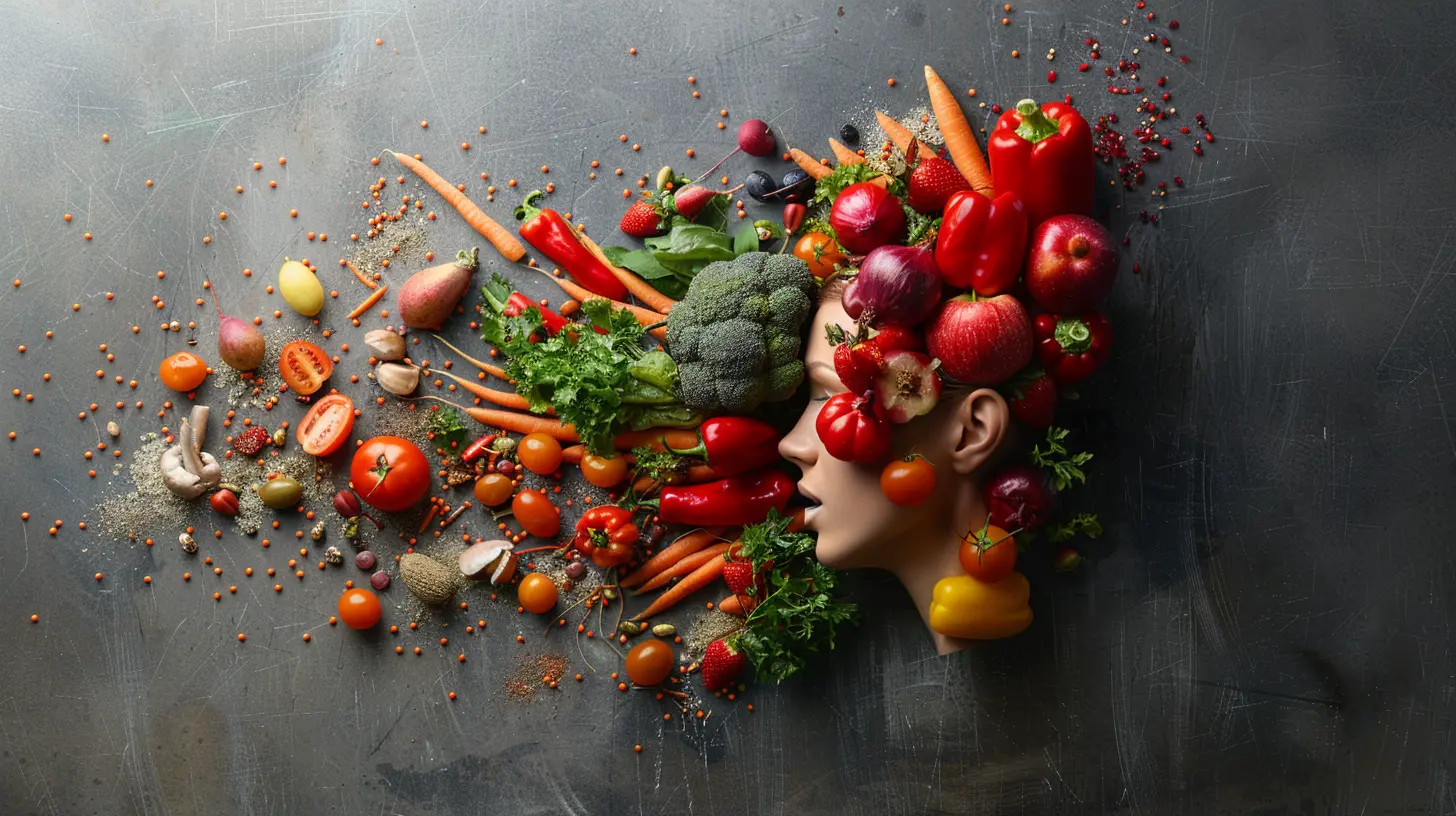
The Brain-Food Connection: Why What You Eat Matters
You’ve probably heard the phrase, “You are what you eat.” It’s cheesy (pun totally intended) but there’s real science behind it.See, your brain uses more energy than any other organ in your body. Even though it weighs only about 2% of your body weight, it uses around 20% of your total energy intake. That’s a lot! So if you're feeding your body junk, guess what your brain’s running on? Yup—junk.
When you’re burned out, your body is stuck in stress mode. Cortisol (your stress hormone) is pumping like crazy, your blood sugar levels are swinging all over the place, and you feel like you’re riding an emotional roller coaster with no seatbelt.
That’s where nutrition swoops in like a knight in shining armor—or maybe a smoothie in a mason jar.
Key Nutrients That Help Combat Burnout
Alright, let’s get into the good stuff. The nutrients. The building blocks of better brain health and burnout recovery.1. B Vitamins – The Stress Busters
Let’s start with the B’s. This group of vitamins (especially B6, B9 a.k.a. folate, and B12) is crucial for brain function and emotional regulation.They help produce serotonin and dopamine—the “feel good” chemicals. Without enough B vitamins, you might feel foggy, irritable, or just flat-out exhausted.
Best sources: Leafy greens, eggs, legumes, nuts, seeds, whole grains, and good ol’ bananas.
Pro tip: Vegans and vegetarians should keep an eye on B12 especially, since it’s mostly found in animal products.
2. Omega-3 Fatty Acids – Brain Fuel
Omega-3s are like miracle workers for your brain. They help reduce inflammation (which is often linked to burnout and mental fatigue) and support brain cell communication.Best sources: Fatty fish like salmon and mackerel, flaxseeds, chia seeds, walnuts, and algae-based supplements if you're plant-based.
You can think of omega-3s like oil for a squeaky brain. Things just run smoother.
3. Magnesium – The Calming Mineral
Magnesium is severely underrated. It helps regulate our nervous system, supports muscle relaxation, and even improves sleep (hello, burnout’s worst enemy!).When you're stressed nonstop, you actually burn through magnesium faster. That means you need more of it when you’re burned out—double whammy.
Best sources: Dark chocolate (yes, really), spinach, almonds, pumpkin seeds, black beans, and avocados.
4. Vitamin D – Sunshine In a Bottle
Low vitamin D levels are strongly linked to depression, fatigue, and—you guessed it—burnout. Your body can make it when you get sunlight, but if you're stuck indoors or live in a cloudy climate, supplements or rich foods might be a must.Best sources: Sun exposure, fortified foods, eggs, mushrooms, or a high-quality D3 supplement.
5. Protein – The Steady Energy Giver
Protein isn’t just for bodybuilders. It helps regulate blood sugar, keeps energy levels stable, and fuels the building blocks of brain chemicals.Aim for quality sources throughout the day, not just dinner.
Best sources: Eggs, greek yogurt, lentils, chicken, tofu, quinoa, and tempeh.
Foods to Avoid When You’re Burned Out
As much as we’d love to say go wild with anything your heart craves, some foods make burnout worse. Sorry, but the truth hurts (just like that third cup of coffee).❌ Sugar Spikes and Crashes
Yeah, that donut might feel like a hug in the moment. But not long after, your blood sugar crashes, your energy dips, and your mood tanks.Instead, go for complex carbs like oats, sweet potatoes, or brown rice. They release energy slowly and steadily—because burnout recovery is a marathon, not a sprint.
❌ Caffeine Overload
One coffee in the morning? Totally fine. But when you're on your fourth cup by 2 PM, your adrenals are begging for mercy.Caffeine can increase anxiety, disrupt sleep, and worsen mood swings. Try cutting back gradually and switching to herbal teas or golden milk.
❌ Processed Foods
Fast food, chips, microwave meals—they're usually loaded with salt, sugar, and additives that mess with your gut and mood. And since your gut is basically your second brain (more on that next), it does matter.The Gut-Brain Connection: Your Hidden Secret Weapon
Did you know your gut and brain are constantly chatting? It’s called the gut-brain axis, and it’s a real thing.Your belly is filled with microbes (a.k.a. gut bacteria) that influence your mood, immunity, and even your stress response. When your gut’s out of whack, it can mess with your entire emotional well-being.
So feeding your gut-friendly foods can directly help your brain cope better with stress.
Gut-Loving Foods to Add:
- Probiotics: yogurt, kefir, kimchi, sauerkraut, miso- Prebiotics: garlic, onions, leeks, asparagus, oats
- Fiber: fruits, veggies, legumes, whole grains
Start slow and drink water to help your digestive system adjust. Your gut (and mind) will thank you.
Hydration: The Most Overlooked Burnout Fix
We can’t talk nutrition without mentioning water. Hydration has a massive impact on focus, mood, and energy levels.Dehydration—even mild—can mimic symptoms of burnout: fatigue, brain fog, irritability. So if you’re not sipping throughout the day, it’s time to buddy up with a water bottle.
Aim for 8-10 glasses daily. Add slices of citrus or cucumber if plain water bores you to tears.
Easy Meal Ideas for Burnout Recovery
Now let’s put it all together with ideas that are simple, soul-soothing, and burnout-friendly.Breakfast:
- Greek yogurt with chia seeds, berries, and a sprinkle of walnuts- Oatmeal topped with banana slices, almond butter, and cinnamon
- Green smoothie with spinach, avocado, banana, flaxseeds, and plant milk
Lunch:
- Quinoa salad with roasted veggies, chickpeas, and olive oil dressing- Whole grain wrap with turkey, avocado, spinach, and hummus
- Lentil soup with a slice of whole-grain toast
Dinner:
- Grilled salmon or tofu, steamed broccoli, and sweet potato mash- Stir-fry with brown rice, colorful veggies, and a splash of tamari
- Baked chicken or tempeh with quinoa and roasted brussels sprouts
Snacks:
- Handful of almonds and dark chocolate pieces- Apple slices with peanut butter
- Hard-boiled eggs and cherry tomatoes
See? Nutritious doesn’t have to mean complicated or boring. Just keep it colorful, whole, and balanced.
Lifestyle Habits That Support Nutrition's Burnout-Fighting Powers
While food plays a huge role, it works best when paired with other healthy habits. Think of it like a tag team.- Sleep well – Your brain repairs itself during rest.
- Move daily – Exercise boosts mood-enhancing chemicals.
- Unplug regularly – Give your brain a break from screens and noise.
- Seek connection – Don’t isolate. Talk, laugh, cry—it’s all part of healing.
- Practice mindfulness – Even five minutes of deep breathing can reset your nervous system.
Nutrition is the foundation, but these habits are the walls that keep burnout at bay.
Final Thoughts: Nourish to Flourish
Burnout can feel like you’re stuck in slow motion while the world spins faster around you. But what you eat can literally shift your mood, brighten your outlook, and give you the energy to show up for your life.Nutrition isn’t a quick fix, but it’s a powerful tool. A salad alone won’t solve burnout—but over time, a pattern of healthy eating forms a safety net for your nervous system.
So, be kind to yourself. Start with one small change—a smoothie in the morning, swapping chips for nuts, adding color to your plate. Every bite is a step toward balance.
Remember, you’re not lazy or weak. You’re human. And humans need proper fuel to function, especially when life gets messy.
Now go hydrate, grab a handful of almonds, and remind yourself: you’ve got this.
all images in this post were generated using AI tools
Category:
BurnoutAuthor:

Jenna Richardson
Discussion
rate this article
1 comments
Christa McGuffey
Nutrition plays a crucial role in managing burnout. Mindful eating can make a real difference.
May 22, 2026 at 4:46 PM
Jenna Richardson
Absolutely, mindful eating helps nourish both body and mind, making it essential in the fight against burnout. Thanks for highlighting this!