The Role of Nature vs. Nurture in Shaping Human Behavior
6 March 2026
Alright, buckle up buttercup — we're diving headfirst into one of the oldest and juiciest debates in psychology: nature vs. nurture. If you've ever wondered whether you’re a product of your DNA or the way your parents raised you (or maybe both?), this is the tea you need.
Let’s get one thing straight — human behavior isn't just spilled out of a mold like cookie dough. Nope. It’s a messy, complicated cocktail shaken up by both your biology and your environment. So grab your matcha (or, hey, wine — I’m not judging), and let’s spill the psychology on what really makes you, well... you.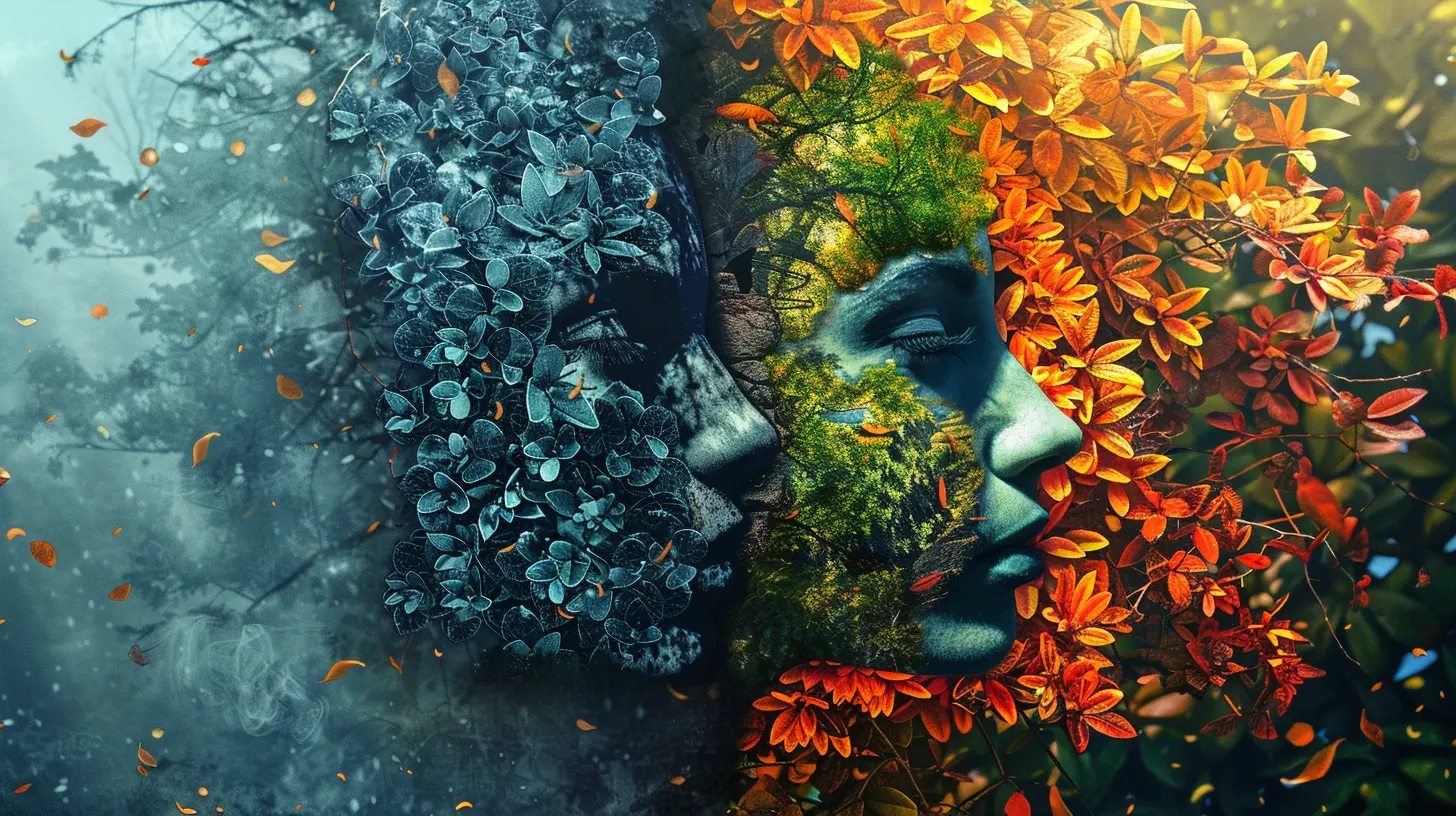
What Even Is Nature vs. Nurture?
Alright, let’s start with the basics. The “nature vs. nurture” debate is basically a psych soap opera that's been going on for centuries. At its core, it explores whether genes (nature) or environmental factors (nurture) have a bigger impact on what makes us who we are — our personality, intelligence, quirks, and even the weird way you always lose your keys.So, who’s the real MVP when it comes to shaping human behavior?
Nature: The Genetic Blueprint
Team nature claims that we're born with most of our traits. Think of it as your psychological user manual handed to you at birth, courtesy of your parents' DNA. Everything from your eye color, to your laugh, to how you might react under stress boils down to your biology. Your genes are basically out here like, “We got this, fam.”Want an example? Have you ever seen twin studies? Identical twins raised apart often have shockingly similar habits and preferences — which makes nature’s case kinda strong. It's like their genes are whispering, "You're gonna love jazz and freak out at loud noises” before they even learn to talk.
Nurture: Raised, Trained, and Molded
Now, hold up — Team Nurture isn’t going down without a fight. This crew believes your environment plays the bigger role. It's the school you went to, the neighborhood you grew up in, the role models you had (or didn’t have), and yes, even how your mom hugged you when you scraped your knee.From your culture to your friend group to the way your parents disciplined you (hello “time-out” corner), nurture suggests that life experience molds your behavior. If nature gives you the raw clay, nurture is the hand that sculpts it.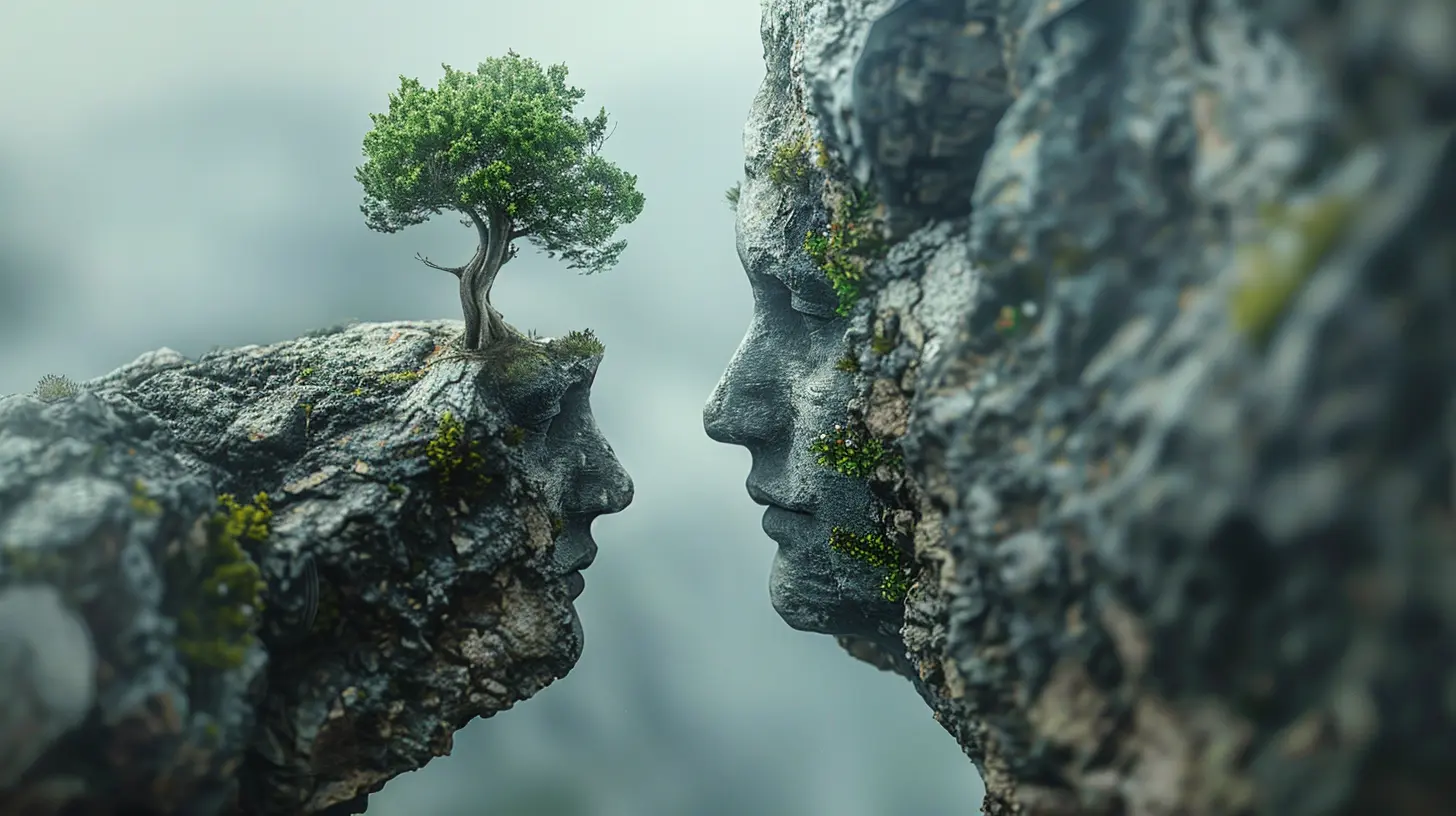
Human Behavior Is Not Black or White — It’s Tie-Dye
Now here’s the plot twist (drumroll, please): It’s not nature or nurture. It’s both. Yup, psychology’s been throwing hands for centuries and now we know — it's a glorious, messy mix of both genetics and environment. Your behavior is basically the lovechild of biology and experiences awkwardly co-parenting your life.Let’s break this down.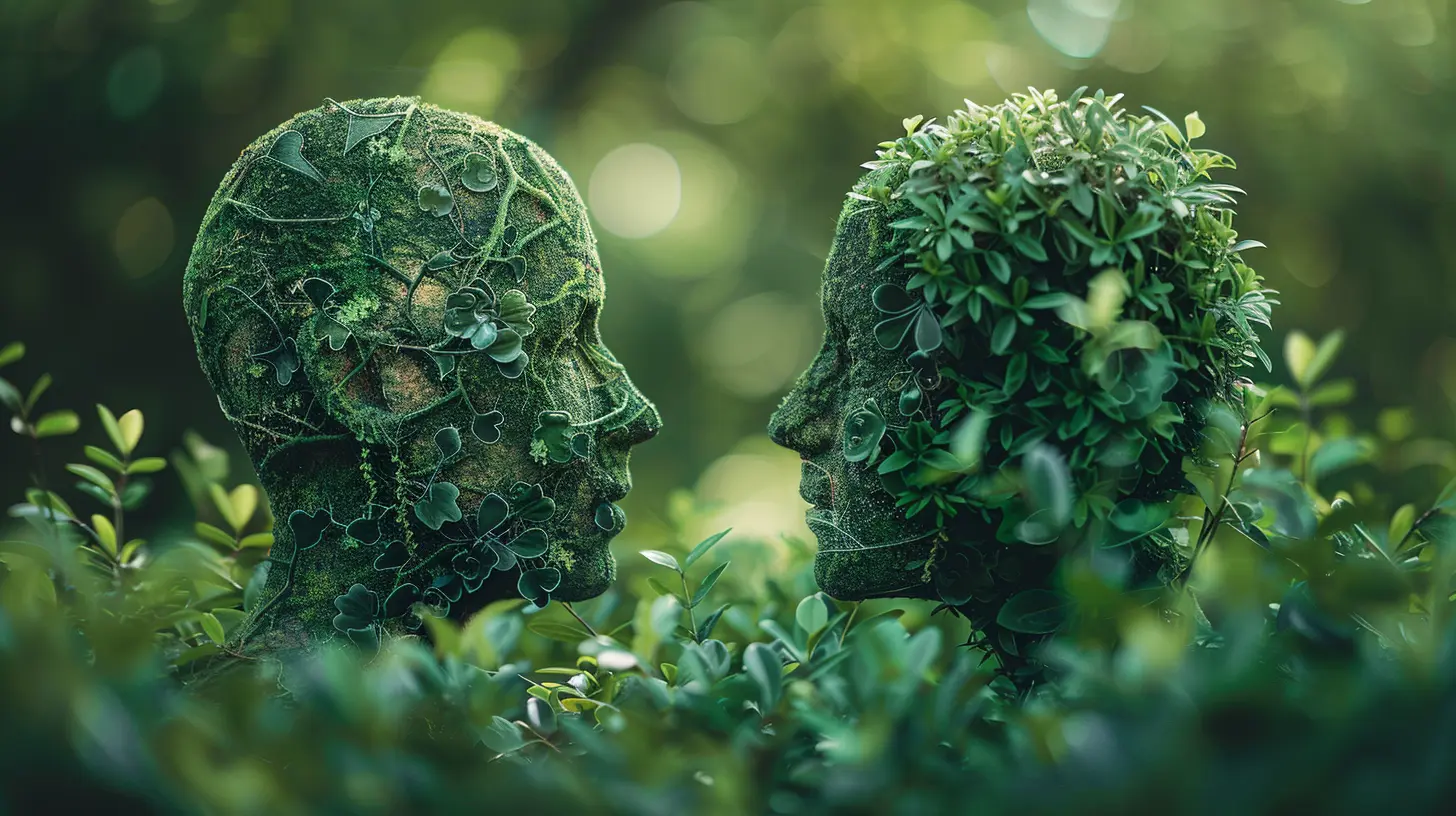
DNA Loads the Gun, Environment Pulls the Trigger
That’s not just a catchy phrase — it’s the real deal. Your genes might load the metaphorical gun – giving you a tendency toward anxiety, for example. But whether or not that anxiety becomes a problem? That depends on everything from your upbringing to trauma to the stressful, soul-sucking job you might be stuck in.You might be genetically predisposed to be a leader, a risk-taker, or more introverted — but nurture decides what you do with that wiring.
Epigenetics Is Nature’s Plot Twist
If you're thinking, “So, can nurture ever change our genes?” Surprise! It kinda can — thanks to epigenetics. This is where things get sci-fi cool.Epigenetics studies how environmental factors can “turn on” or “turn off” genes without changing the DNA itself. It's like flipping a light switch on genetic tendencies. So things like stress, love, trauma, and even your diet can influence how your genes express themselves. Wild, right?
So yes, your childhood trauma might literally change how your genes function. No pressure.
The Childhood Factor: Foundation or Faultline?
Let’s talk about the early years, because whew — they’re important.Attachment Styles: Where Love Meets Behavior
Attachment theory tells us that the way you connected with your caregivers early on can shape how you form relationships for the rest of your life. No biggie, right? Whether you’re clingy, independent, or somewhere in between — you can thank your diaper days for that.If you had nurturing, responsive parents? You’re more likely to feel secure in yourself and others. If not? You might grow up with anxiety in relationships or a fear of intimacy. That’s nurture in full effect.
Intelligence: Born Smart, or Taught to Be?
Now let’s tackle a spicy one — intelligence. Are some people just born brilliant?Not entirely. Yes, genes play a big role in IQ, but so does access to education, nutrition, encouragement, and even how often your parents read to you at night. It’s the classic “use it or lose it” deal. A child might be genetically gifted but without stimulation? That potential could stay locked away.
Nature hands you the toolbox, but nurture teaches you how to build with it.
Personality: Is That Just “Who You Are”?
Ah, personality – the glittery puzzle that makes you you. But is it nature or nurture?Studies show there’s a genetic basis to basic personality traits — like being extroverted, neurotic, or agreeable. But again, environment shapes how those traits show up. You could be born fearless, but if you were raised in a strict, fearful household? That boldness might show up differently or be suppressed altogether.
Also, life experiences change personality over time. Ever met someone who totally "changed" after a breakup or new job? That’s nurture doing its thing.
Mental Health: The Battle’s Not Just in Your Head
Mental health might be where the nature-nurture combo rears its head the most.Born with It?
Certain disorders — like bipolar disorder, schizophrenia, and depression — have genetic roots. If your family tree has some mental health history, chances are you’ve rolled some of those dice.But Also Shaped by Environment
Trauma, neglect, chronic stress — these can all trigger or worsen mental health conditions. Two people with the same genetic risk can have wildly different outcomes depending on their life experiences.In short: Mental health is where nature lays the groundwork, and nurture decides whether it becomes a construction site or a castle.
So... Can We Ever Break the Cycle?
Yes, and that’s the empowering part. You may not get to pick your genes, or your childhood, but you can absolutely influence your future. Therapy, education, self-awareness, supportive relationships — all these nurture-based choices can reshape behavior, rewrite defaults, and help you evolve.You’re not stuck. Let me say that louder for the people in the back — YOU. ARE. NOT. STUCK.
Final Verdict: Nature AND Nurture Are Co-CEO's of You, Inc.
If you’re still waiting for a winner in the nature vs. nurture showdown — sorry, but it’s a tie. Think of human behavior like a smoothie. Your genetic makeup is the fruit (solid, sweet, foundational), and your experiences are the blender (fierce, messy, and powerful). Together, they make the flavor that is uniquely you.And honestly? That blend is what makes everyone so fascinating.
TL;DR — Because We’re All Busy
- Nature = your biological blueprint. Thank your parents.- Nurture = your environment, upbringing, and experiences.
- Human behavior is shaped by the wild dance between the two.
- Epigenetics proves nurture can influence how genes behave.
- Intelligence, personality, and mental health are all team efforts.
So the next time someone tells you they're “just born that way,” maybe raise a brow and say, “Hmm... or were you raised that way?
all images in this post were generated using AI tools
Category:
Human BehaviorAuthor:

Jenna Richardson
Discussion
rate this article
2 comments
Beau McFarlin
This article thoughtfully highlights the complex interplay between nature and nurture in shaping behavior. The nuanced perspective encourages deeper reflection on how our environments and biological predispositions interact, ultimately fostering a more comprehensive understanding of human psychology. Thank you for sharing!
March 14, 2026 at 5:01 AM
Jenna Richardson
Thank you for your insightful comment! I'm glad you found the article thought-provoking and appreciate your emphasis on the complexity of nature and nurture in shaping behavior.
Julianne Wyatt
Great insights on a complex topic!
March 9, 2026 at 5:11 PM
Jenna Richardson
Thank you! I'm glad you found the insights valuable.