The Role of Meditation in Reducing Anxiety and Depression
14 May 2026
In today’s fast-paced world, stress, anxiety, and depression have become all too common. It’s like we’re all running on an endless treadmill, constantly juggling work, relationships, and personal responsibilities. We often find ourselves feeling overwhelmed, anxious, or downright sad. But what if there was a simple, natural way to tackle these emotions, something that doesn't require medication or expensive therapy sessions? Enter meditation.
Meditation has been around for thousands of years, with its roots in ancient traditions. But in recent years, it's gained traction in modern science as a legitimate tool to combat mental health issues, particularly anxiety and depression. You don’t need to be a monk sitting cross-legged on a mountain to benefit from it. In fact, anyone can practice meditation, and the benefits are, well, pretty amazing.
Let’s dive deep into how meditation plays a role in reducing anxiety and depression, and why it might just be the mental health tool you never knew you needed.

What is Meditation?
Before we get into the nitty-gritty of how meditation reduces anxiety and depression, let’s first understand what meditation actually is. In simple terms, meditation is a practice where an individual uses techniques—such as mindfulness, focused breathing, or visualization—to train attention and awareness. The goal? To achieve a mentally clear and emotionally calm state.When you meditate, it's like giving your brain a mini-vacation. You take a break from the constant stream of thoughts, worries, and fears that occupy your mind. It’s the mental equivalent of hitting the reset button. And who doesn’t need that from time to time?
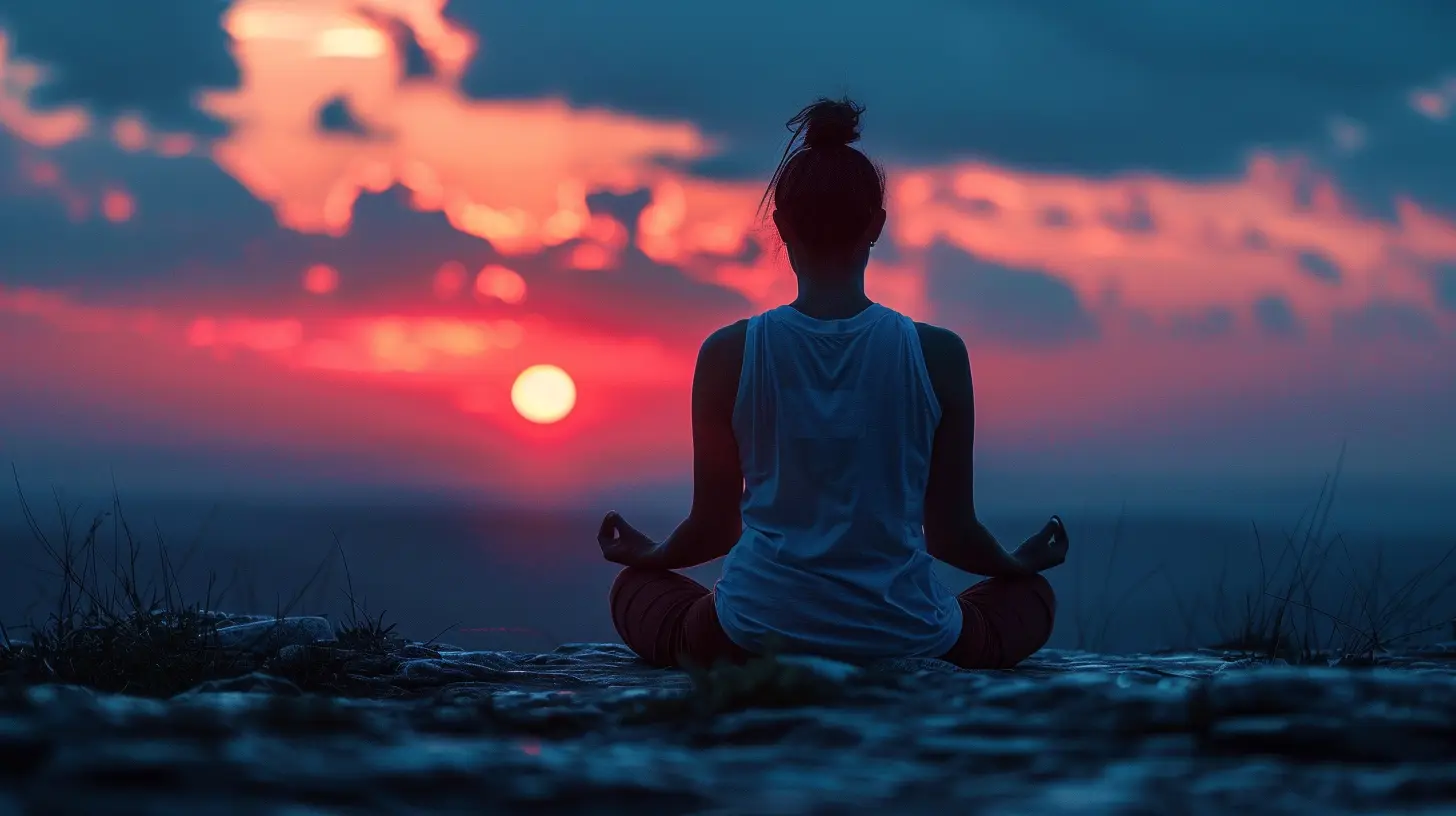
Anxiety and Depression: A Global Epidemic
Anxiety and depression are two of the most common mental health disorders in the world. According to the World Health Organization (WHO), over 264 million people worldwide suffer from depression, and anxiety disorders affect about 284 million individuals globally. The numbers are staggering, and they aren't just statistics. They represent real people—people who struggle daily with feelings of fear, sadness, and hopelessness.Anxiety often manifests as excessive worry, restlessness, or a constant feeling of being on edge. Depression, on the other hand, can make you feel like you're stuck in a fog of sadness, with no motivation or hope for the future. It’s like your brain is playing a cruel trick on you, convincing you that things are worse than they really are.
The good news is, meditation has been shown to help alleviate the symptoms of both anxiety and depression. But how does it work? Let’s break it down.
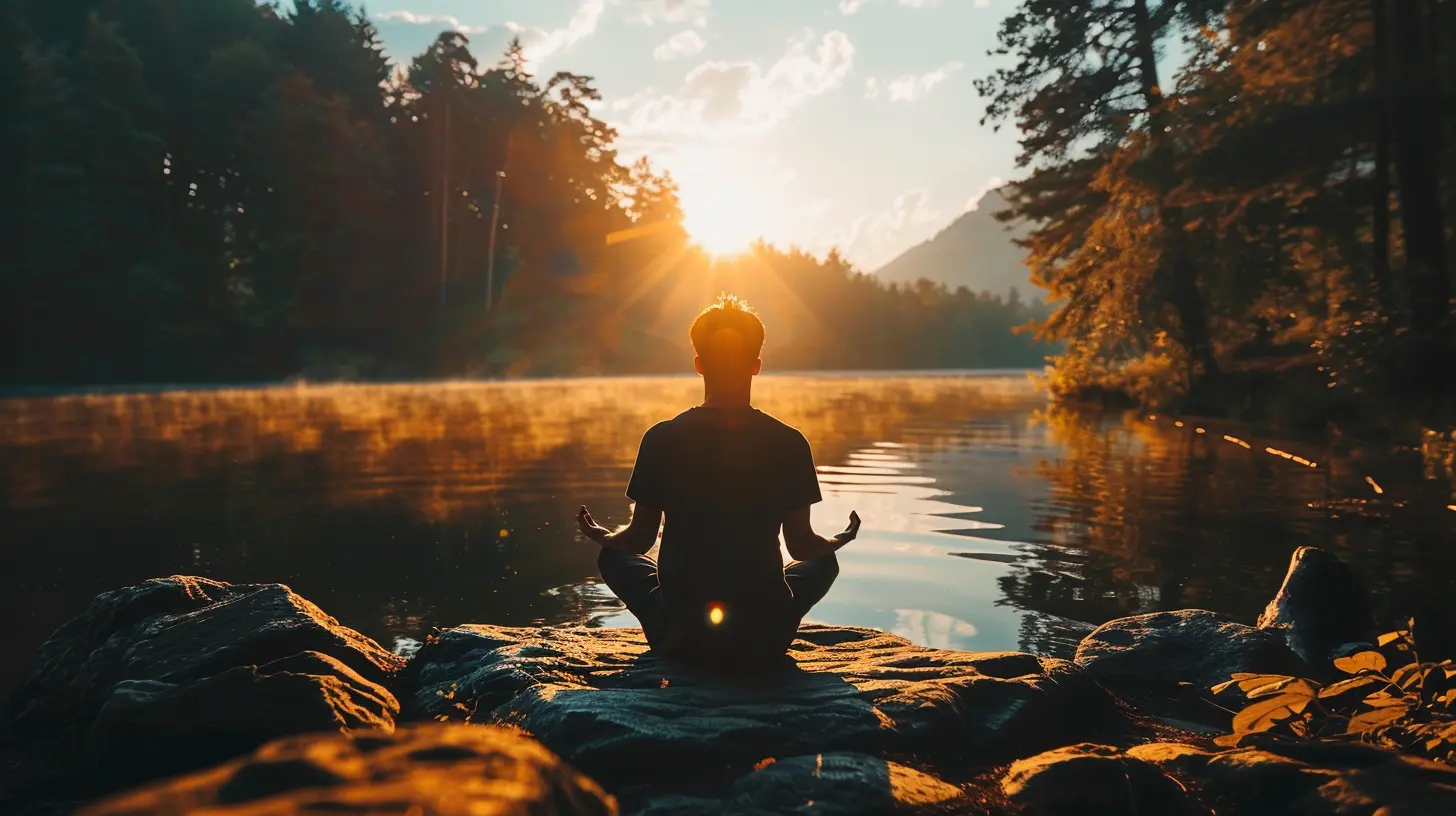
How Meditation Reduces Anxiety
1. Shifting Focus from Worry to the Present
Anxiety loves to live in the future. It’s all about the "what ifs"—what if I fail? What if something bad happens? What if I make a mistake? Meditation, particularly mindfulness meditation, teaches us to focus on the present moment, rather than getting lost in the endless loop of anxious thoughts.When you meditate, you train your brain to redirect your focus away from the worries of the future and into the present. You become more aware of your breathing, your surroundings, and your body. This awareness acts like a mental anchor, pulling you back to the here and now.
It’s like this: Imagine you're on a boat in the middle of a stormy sea. The waves (your anxious thoughts) are crashing all around you. Meditation is the anchor that keeps your boat steady, preventing you from being swept away by the storm.
2. Lowering Stress Hormones
The fight-or-flight response is a natural reaction to stress, but for those with anxiety, it can feel like the body is stuck in this mode 24/7. Meditation helps to calm the nervous system and lower the production of stress hormones like cortisol.Studies show that regular meditation can reduce cortisol levels, which, in turn, leads to a reduction in physical symptoms of anxiety, such as a racing heart, sweating, and shallow breathing. It’s like telling your body, “Hey, everything’s okay. You can relax now.”
3. Rewiring the Brain
Neuroplasticity is a fancy term that refers to the brain’s ability to change and adapt. And guess what? Meditation can actually rewire your brain to better handle anxiety. Research has shown that meditation increases the gray matter in the prefrontal cortex (the part of the brain responsible for decision-making and regulating emotions) and decreases activity in the amygdala (the brain’s fear center).Over time, this means your brain becomes less reactive to stress and anxiety triggers. It’s like upgrading your brain’s software to handle life’s challenges in a more calm, balanced way.

How Meditation Reduces Depression
1. Breaking the Cycle of Negative Thoughts
Depression loves to trap you in a cycle of negative thinking. It’s like being stuck in quicksand—the more you struggle to get out, the deeper you sink. Meditation, particularly mindfulness, teaches you to observe your thoughts without judgment. You learn to recognize negative thoughts for what they are—just thoughts—and not facts.With regular practice, meditation helps to break the cycle of rumination (constantly dwelling on negative experiences or thoughts), which is a common feature of depression. It’s as if you’re stepping outside your own mind and watching your thoughts pass by like clouds in the sky, rather than getting caught up in them.
2. Boosting Feel-Good Chemicals
Who doesn’t love a good dose of serotonin or dopamine? These neurotransmitters are responsible for regulating mood, and low levels are often linked to depression. The good news? Meditation has been shown to increase the production of both serotonin and dopamine, giving your mood a natural boost.Think of meditation like a workout for your brain. Just as physical exercise releases endorphins (those feel-good chemicals), meditation can do the same for your mental health. It’s like a natural antidepressant, minus the side effects.
3. Creating a Sense of Inner Peace
When you’re depressed, it can feel like you’re at war with your own mind. Meditation helps to create a sense of inner peace by encouraging self-compassion and acceptance. Instead of beating yourself up over every mistake or flaw, meditation teaches you to be kinder to yourself.It’s like giving yourself a mental hug. You begin to realize that you are not your depression, and that you deserve love and compassion—especially from yourself.
Types of Meditation for Anxiety and Depression
Not all meditation practices are created equal. While any form of meditation can be beneficial, certain types are particularly effective for anxiety and depression. Here are a few to consider:1. Mindfulness Meditation
Mindfulness meditation is all about being present in the moment. You focus on your breathing, bodily sensations, or a specific object of attention. This practice helps to ground you, reducing anxious thoughts and depressive rumination.2. Loving-Kindness Meditation (Metta)
This type of meditation focuses on cultivating feelings of love and compassion—for yourself, and for others. It’s especially helpful for people dealing with depression, as it encourages self-acceptance and reduces feelings of isolation.3. Body Scan Meditation
A body scan meditation involves focusing on different parts of your body, from head to toe, and becoming aware of any sensations, tension, or discomfort. It’s great for reducing anxiety because it helps you reconnect with your body and take your mind off of racing thoughts.4. Transcendental Meditation
In Transcendental Meditation (TM), you silently repeat a mantra to help quiet the mind. It’s particularly effective for people with anxiety, as it provides a structured focus point, helping to calm the nervous system.
How to Get Started with Meditation
If you’re new to meditation, don’t worry—it’s easier than you think. You don’t need any special equipment, and you can start with just a few minutes a day. Here are some tips to help you get going:- Find a Quiet Space: Choose a quiet, comfortable spot where you won’t be disturbed.
- Set a Timer: Start with 5-10 minutes and gradually increase the time as you become more comfortable.
- Focus on Your Breath: Simply focus on your breathing. Inhale deeply, exhale slowly, and let go of any thoughts that pop into your mind.
- Be Patient: Meditation is a practice, and it takes time to see the benefits. Be kind to yourself and stick with it.
Final Thoughts
Meditation isn’t a magical cure-all, but it’s a powerful tool that can help reduce anxiety and depression. By training your mind to focus on the present, rewiring your brain to be less reactive, and promoting a sense of inner peace, meditation offers a natural, accessible way to improve your mental health. And the best part? You can do it anywhere, anytime.So, the next time you feel those anxious or depressive thoughts creeping in, take a deep breath, close your eyes, and give meditation a try. Your mind will thank you.
all images in this post were generated using AI tools
Category:
Mental Health EducationAuthor:

Jenna Richardson
Discussion
rate this article
1 comments
Calder Shaffer
How does meditation reshape our thoughts on anxiety?
May 31, 2026 at 3:53 PM
Jenna Richardson
Meditation helps us observe our thoughts without judgment, creating a distance from anxiety. This awareness allows us to respond to stress more calmly and reduces the intensity of anxious feelings.