The Role of Gratitude in Avoiding Burnout
26 March 2026
Burnout. It's a word we've all heard, and many of us have experienced firsthand. That overwhelming sense of exhaustion, both mentally and physically, that makes even the simplest tasks feel insurmountable. Whether you're a busy professional, a student juggling multiple responsibilities, or a parent trying to balance work and family life, burnout can creep in when you least expect it. But here's the thing – there's a simple, yet often overlooked, tool that can help prevent burnout: gratitude.
Gratitude isn’t just about saying “thank you” or writing in a journal once in a blue moon. It’s a powerful mindset shift that can dramatically change the way we handle stress and, ultimately, avoid burnout altogether. So, let's dive into how gratitude plays a role in keeping burnout at bay, and more importantly, how you can start incorporating it into your life today.

What is Burnout?
Before we talk about gratitude, let’s get clear on what burnout actually is. Burnout isn't just feeling tired after a long day. It’s a chronic condition that results from prolonged stress, especially in work-related scenarios. When you're burned out, you don't just feel tired – you feel emotionally drained, detached, and unproductive.The World Health Organization (WHO) even recognizes burnout as a legitimate occupational phenomenon, characterized by:
- Exhaustion: Feeling drained and depleted, both physically and emotionally.
- Cynicism: Developing negative feelings or a mental distance from your job or responsibilities.
- Inefficacy: Feeling unproductive and like nothing you do matters.
It’s not just about working too much; it's about the emotional toll that stress takes over time. And once you hit burnout, recovering can feel like an uphill battle. That’s why prevention is key – and this is where gratitude comes in.

Why Gratitude Matters
So, why gratitude? What does it have to do with burnout?Gratitude, simply put, is the practice of focusing on the positives in your life, no matter how small they may be. It’s about recognizing the good things in your day, whether that's a supportive friend, a delicious cup of coffee, or the fact that you woke up feeling healthy today.
But gratitude isn't just about feeling good in the moment. Research shows that practicing gratitude consistently can lead to a host of physical, emotional, and psychological benefits – many of which directly counter the symptoms of burnout.
The Science Behind Gratitude
Here’s what the science says: When you practice gratitude, your brain releases dopamine and serotonin, the “feel-good” neurotransmitters. This boosts your mood and helps regulate your emotional state. Gratitude also activates the areas of the brain related to empathy and emotional regulation, making it easier to handle stress in a healthy way.In a study published in the journal Personality and Individual Differences, researchers found that individuals who practice gratitude regularly report lower levels of stress and depression. They also experience increased levels of well-being and life satisfaction.
In other words, when you're grateful, you're less likely to spiral into the emotional exhaustion and cynicism that characterize burnout.

How Gratitude Helps Prevent Burnout
Let’s get specific. How exactly does focusing on gratitude help you avoid burnout? There are a few key ways:1. Gratitude Shifts Your Perspective
When you're stressed out and heading toward burnout, it's easy to focus only on what's going wrong. Maybe you have too many deadlines or feel like you're not getting the recognition you deserve at work. When you’re in this mindset, small issues can feel monumental, and you can start to feel like nothing is going right. Gratitude helps break that cycle.By practicing gratitude, you train your brain to look for the positives. Instead of focusing solely on your overwhelming workload, you might start to notice the supportive colleague who helped you out or the fact that you’re developing new skills. This shift in perspective can reduce stress and prevent that downward spiral into burnout.
2. Gratitude Improves Resilience
Life will always throw challenges your way, but how you respond to them makes all the difference. Gratitude boosts resilience by helping you focus on what you have, rather than what you lack. When you’re feeling stressed, instead of dwelling on the problem, gratitude encourages you to find solutions. It’s like building a mental muscle that helps you bounce back faster.In fact, studies show that people who practice gratitude are better able to cope with stressful situations. They experience less emotional exhaustion and are more likely to maintain a positive outlook, even in the face of hardship. This kind of resilience is essential for preventing burnout.
3. Gratitude Fosters Connection
Burnout often makes you feel isolated, as if you're carrying the weight of the world on your shoulders. When you’re stressed and exhausted, it’s easy to retreat into yourself and feel disconnected from others. But gratitude can help bridge that gap.When you express gratitude to others, whether it’s thanking a colleague for their help or telling a loved one how much they mean to you, you’re fostering connection. These little moments of appreciation strengthen your relationships, which in turn provides emotional support – a key factor in preventing burnout. After all, we’re not meant to go through life alone, and having a strong support system can make all the difference when stress starts to pile up.
4. Gratitude Encourages Mindfulness
One of the hallmarks of burnout is feeling like you're constantly on autopilot – like you're just going through the motions without any real engagement or joy. Gratitude helps bring you back into the present moment, encouraging mindfulness.When you take a moment to reflect on what you're grateful for, you’re practicing mindfulness. You're actively focusing on the here and now, rather than worrying about the future or ruminating on the past. This practice helps reduce anxiety and keeps you grounded, preventing the emotional detachment that often accompanies burnout.
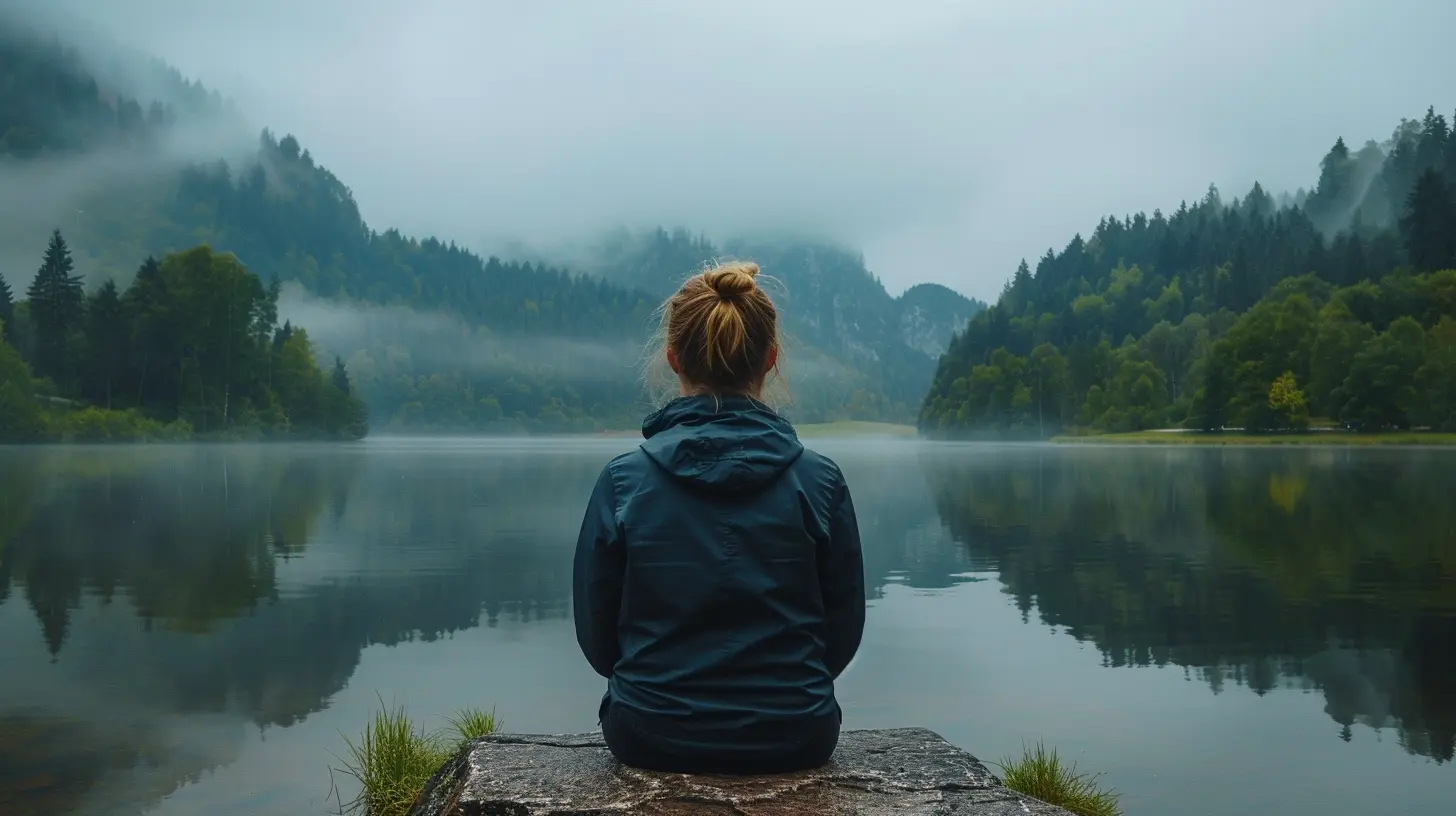
Practical Ways to Cultivate Gratitude
Now that you know why gratitude is so powerful, the next question is: how do you actually cultivate it? It’s one thing to understand the benefits, but it’s another to make gratitude a regular part of your life. Luckily, it’s easier than you might think. Here are some practical ways to start incorporating gratitude into your daily routine:1. Keep a Gratitude Journal
This is one of the simplest and most effective ways to practice gratitude. Each day, take a few minutes to write down three things you're grateful for. They don’t have to be big things – even something as small as “I’m grateful for the sunshine today” counts. The key is consistency. Over time, you’ll start to notice a shift in your mindset, and you’ll naturally begin to focus more on the positives in your life.2. Verbalize Your Gratitude
It’s one thing to feel grateful, but it’s another to express it. Make it a habit to regularly thank the people around you, whether it’s a coworker who helped with a project or a friend who listened when you needed to vent. Verbalizing your gratitude not only strengthens your relationships but also reinforces your own positive mindset.3. Practice Mindful Gratitude
Throughout the day, take a few moments to pause and reflect on the things you're grateful for. This might be as simple as appreciating a good meal, the beauty of nature, or a moment of peace and quiet. These small moments of mindful gratitude can help keep you grounded and reduce stress in real-time.4. Use Gratitude Affirmations
Affirmations are positive statements that you repeat to yourself to reinforce a particular mindset. Try incorporating gratitude affirmations into your daily routine. For example, “I am grateful for the opportunities in my life” or “I appreciate the support of my loved ones.” Repeating these affirmations can help you maintain a gratitude-focused mindset, even when things get tough.The Ripple Effect of Gratitude
What’s truly amazing about gratitude is that its benefits extend far beyond just you. When you practice gratitude, you create a ripple effect that influences the people around you. Gratitude is contagious – when you express it, others are more likely to do the same. This creates a positive feedback loop that can improve the overall morale of your workplace, your family, or your social circle.Gratitude also has a way of helping you focus on what truly matters. When you're caught up in the daily grind, it’s easy to lose sight of the bigger picture. But gratitude helps you zoom out and appreciate the things that bring meaning to your life – your relationships, your health, your personal growth. And when you focus on what matters most, burnout becomes less likely.
Conclusion
Burnout is a serious issue, but it’s not inevitable. By cultivating gratitude, you can shift your mindset, build resilience, foster connections, and stay mindful – all of which play a crucial role in preventing burnout. The best part? Gratitude is something you can start practicing right now, no matter how busy or stressed you are. So, why not give it a try? Take a moment today to reflect on what you're grateful for – you might be surprised at how much it changes your outlook.all images in this post were generated using AI tools
Category:
BurnoutAuthor:

Jenna Richardson
Discussion
rate this article
2 comments
Sawyer Riley
Gratitude truly helps nurture resilience and strength, guiding us through tough times with hope and connection.
June 14, 2026 at 4:53 AM
Jenna Richardson
Absolutely. Gratitude can be a powerful tool for building resilience, especially in challenging moments. It fosters hope and strengthens our connections with others.
Alanna McGrady
Embracing gratitude can transform our mindset and resilience, helping us navigate the challenges of life and work. Practicing gratitude not only fosters positivity but also strengthens our mental well-being, making it a powerful antidote to burnout. Let’s cultivate gratitude daily!
April 3, 2026 at 2:44 AM
Jenna Richardson
Absolutely! Gratitude is a game changer. When we focus on what we appreciate, we build resilience and better cope with stress. Let's make it a daily habit.