The Role of Empathy in Group Therapy Healing
9 August 2026
Ever found yourself in a room full of strangers, yet somehow, after a few minutes of conversation, you feel like you've known them forever? That’s the magic of human connection—more specifically, that’s empathy at work!
Now, picture that same connection in a therapy group setting. Powerful, right? Group therapy thrives on empathy, acting as a bridge between pain and healing. But what exactly makes empathy such a game-changer in group therapy? Let’s dive in and unravel this emotional superpower! 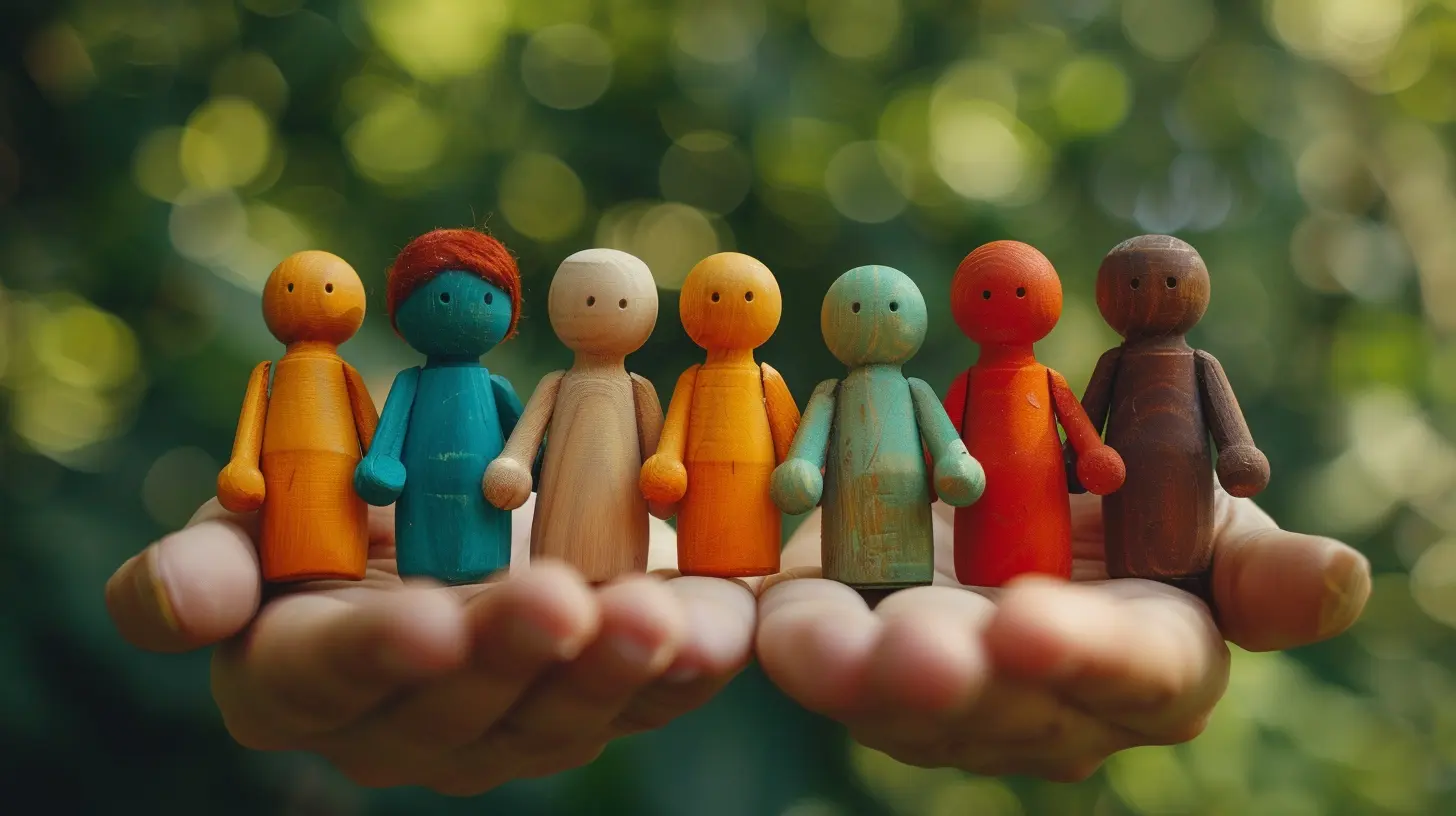
🧠 What Is Empathy, And Why Does It Matter?
Before we get into the nitty-gritty of group therapy, let’s talk about what empathy actually is.Empathy is the ability to step into someone else’s shoes—to feel what they feel, understand their emotions, and respond in a way that makes them feel seen and heard. It’s like a built-in emotional Wi-Fi that connects us to others on a deep level.
There are three main types of empathy:
1. Cognitive empathy – Understanding someone’s feelings and perspective.
2. Emotional empathy – Actually feeling what others feel.
3. Compassionate empathy – Not just understanding or feeling, but also taking action to help.
In a group therapy setting, all three play a vital role in fostering trust, support, and healing. 
🤝 How Empathy Fuels Group Therapy Healing
Imagine you’re in a group therapy session. You’re struggling with something personal, but you finally muster the courage to share. Now, picture two possible reactions:1. A silent, indifferent group that nods but doesn’t engage.
2. A group that listens intently, resonates with your emotions, and reassures you that you’re not alone.
Which one feels more comforting? The second one, right? That’s empathy in action! Let’s break down how empathy works behind the scenes in group therapy:
1. Creates A Safe Space 🏡
Sharing personal struggles can feel like standing on stage in your underwear—super vulnerable! But when empathy is present, the group becomes a judgment-free zone where people feel comfortable opening up.Empathy ensures that every voice is valued, reducing fears of rejection or misunderstanding. In turn, participants feel more secure in sharing their pain, knowing they’ll be met with kindness rather than criticism.
2. Reduces Feelings of Isolation 🌎
Struggling with mental health issues can feel isolating, like you're the only person battling these thoughts. Group therapy, powered by empathy, changes that.When others truly listen and relate, individuals realize they're not alone in their journey. This sense of shared experience offers a comforting reality check: “If they can get through it, so can I!”
3. Encourages Emotional Expression 😢💬
Bottling up emotions? That’s like shaking a soda bottle—eventually, it’s going to explode! Empathy in group therapy allows individuals to release pent-up emotions in a healthy way.When one person shares and others respond with understanding and warmth, it creates a ripple effect. More people feel encouraged to open up, leading to deeper emotional processing and healing.
4. Builds Stronger Human Connections 🤗
Ever notice how you instantly feel closer to someone who just “gets” you? That’s empathy knitting invisible threads of connection between people.In group therapy, these connections build a support system that extends beyond the therapy room. Participants not only help each other heal but also form meaningful relationships that continue to provide emotional nourishment long after therapy ends.
5. Boosts Self-Compassion 💖
Sometimes, we’re harder on ourselves than we would ever be on a friend. Listening to others share their struggles (and offering them kindness) can help us recognize the need for self-compassion in our own lives.Empathy acts like a mirror, reflecting back the importance of treating ourselves with the same gentleness we offer others. 
🛠 How to Cultivate More Empathy in Group Therapy
While some people are naturally more empathetic, empathy is a skill that can be strengthened in anyone. Here’s how group therapy leaders and participants can nurture a more empathetic environment:1. Active Listening 🎧
Ever talked to someone who was physically present but mentally somewhere else? Not fun, right? Active listening means fully engaging—listening to understand, rather than just waiting for your turn to speak.Encourage eye contact, nodding, and verbal affirmations like “I hear you” or “That makes a lot of sense.” These small actions make a huge impact in making people feel heard.
2. Practicing Mindfulness 🧘
Being present in the moment helps boost empathy. When we tune into the here and now, we’re more attuned to the emotions of others. Group therapy exercises like deep breathing or guided meditation can help participants stay mindful and emotionally available.3. Using Empathetic Language 🗣
The way we respond to others matters. Phrases like:- "That sounds really tough. I'm here for you."
- "I can only imagine how that must have felt."
- "You’re not alone in this."
These small but powerful words validate emotions and reinforce a sense of understanding and care.
4. Sharing Personal Stories 📖
Empathy grows when we open up. When group members share their own struggles, it invites others to do the same, creating a cycle of mutual understanding and support.5. Avoiding Judgment 🚫
Nobody wants a therapy session to feel like a courtroom. Group members should approach each other with an open heart and mind, setting aside personal biases.Remember: We never truly know what someone has been through until we walk in their shoes. 
💡 The Ripple Effect of Empathy in Healing
Empathy in group therapy doesn’t just stay in the circle—it spills over into everyday life. Participants who experience empathy are more likely to practice it outside of therapy in their relationships, workplaces, and communities. It’s a domino effect of kindness that keeps on giving.When people feel heard, they heal. When people connect, they grow. And when empathy thrives, transformation happens.
🎯 Final Thoughts
Empathy is the heartbeat of group therapy. It's what turns a room of strangers into a family, transforming pain into progress. Without it, group therapy would just be a bunch of people talking; with it, it becomes an emotional refuge of healing, understanding, and connection.So, the next time you’re in a group setting—therapy or otherwise—remember: a little empathy goes a long way. A listening ear, a kind word, or even just a compassionate nod could be exactly what someone needs to keep going.
And who knows? Maybe one day, you’ll need it too.
all images in this post were generated using AI tools
Category:
Group TherapyAuthor:

Jenna Richardson
Discussion
rate this article
1 comments
Tamsin McLaurin
Empathy fosters deeper connections.
August 25, 2026 at 4:16 PM