The Role of Diversity in Group Therapy Experiences
14 June 2026
Group therapy—it's like an emotional potluck dinner. Everyone brings something different to the table, and sometimes, the combinations are… interesting. But that diversity? That’s where the magic happens! Whether it’s age, culture, background, or life experiences, the mix of perspectives in group therapy can take healing to a whole new level.
So, let’s dive in and talk about why diversity in group therapy isn’t just a “nice to have” but an absolute game-changer. 
Why Group Therapy Works (Even When It’s Awkward)
Before we start unpacking how diversity plays a role, let's talk about why group therapy works in the first place.If you’ve ever spilled your feelings to a friend and they hit you with a “Wow, I totally get that”—you know that sweet relief of feeling understood. Now, imagine a whole group of people giving you that same validating nod. That’s group therapy.
It creates a space where people realize they’re not alone in their struggles. The shared stories, the supportive nods, the occasional awkward silence—it's all part of the healing process.
But here’s where it gets interesting: when people from diverse backgrounds join the conversation, the experience deepens in ways most of us never expect.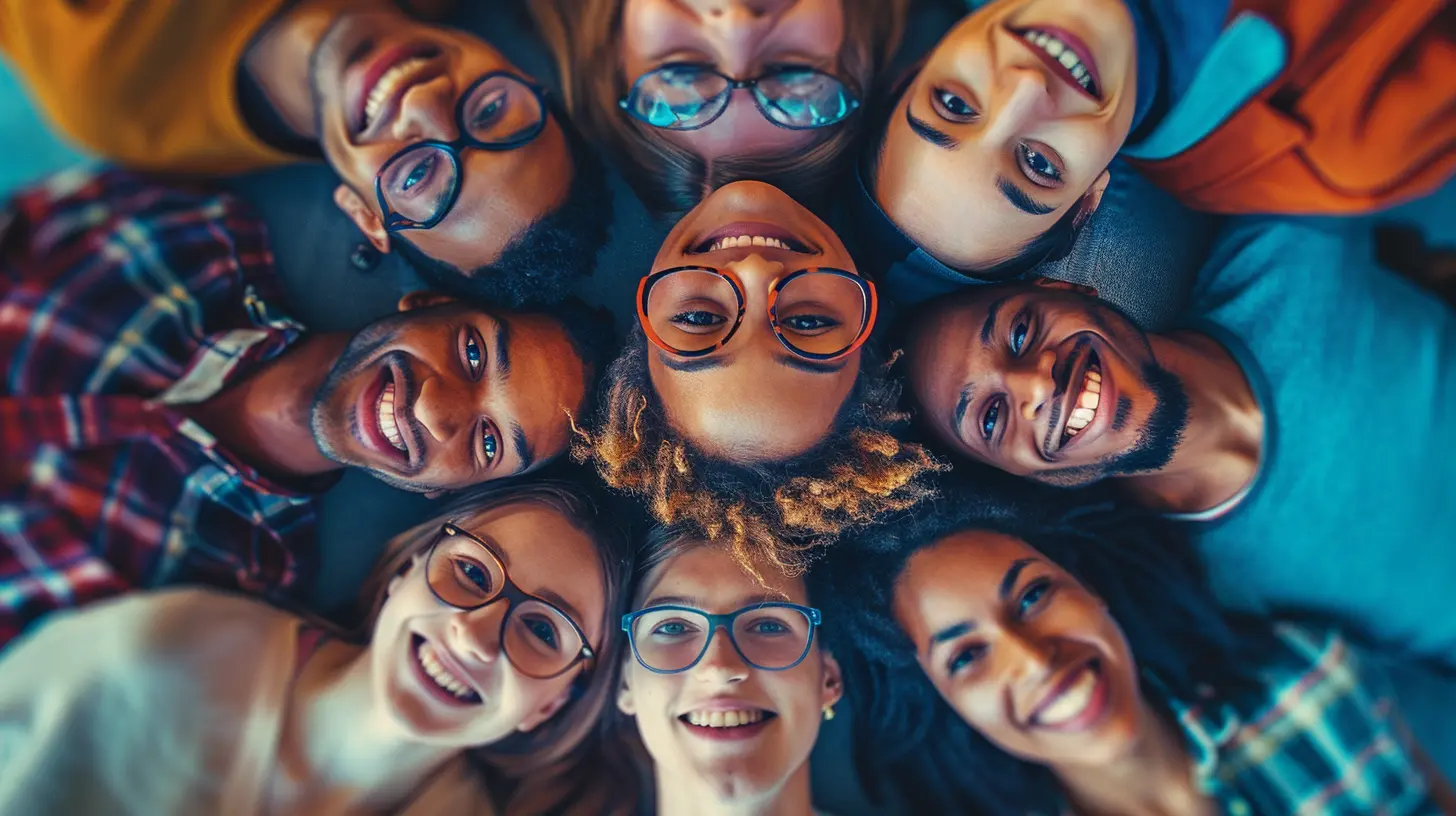
The Power of Diversity in Group Therapy
Diversity in group therapy isn’t just about checking a box to make sure we have a mix of people. It actually transforms the way therapy works. Here’s how:1. Different Perspectives, Richer Insights
Ever tried watching a movie with people from different backgrounds? One person laughs at a joke, another finds it offensive, and someone else is confused altogether. That’s what happens in group therapy too!Diverse perspectives help everyone see things from angles they never considered. A breakup, for instance, might feel like the end of the world to one person, but someone from a different culture might see it as a new beginning. That mix of viewpoints helps reframe challenges in ways an individual might never achieve alone.
2. Challenging Personal Biases (Gently, Of Course)
Let’s be honest—we all carry biases, whether we realize it or not. Group therapy puts us in a room (or a Zoom call) with people whose life stories we might never otherwise hear.Maybe someone walks in with stereotypes about a certain group, but after listening to their struggles and emotions, they start seeing the person, not the label. It’s like finally realizing pineapple on pizza isn’t the crime against humanity you once thought it was. (Okay, maybe some things are unforgivable.)
3. A Safe Space to Talk About Tough Stuff
Diversity brings up important conversations—ones that might be uncomfortable but are absolutely necessary.Imagine a group where someone is struggling with racial discrimination, but no one else has experienced it. That’s tough. But in a diverse group, there's a higher chance someone has been there and can validate those feelings, making the experience less isolating.
Feeling validated and heard? That’s half the battle in healing.
4. Healing Through Shared Struggles
Pain might wear different outfits, but at its core, it’s universal. Grief, anxiety, self-doubt—these emotions don’t discriminate.A divorced single mother, a retired veteran, and a college student might think they have nothing in common. But once they start sharing? Suddenly, they realize they’re all battling loneliness in different ways. The diversity of life experiences actually helps highlight the common ground.
The Challenges of Diversity in Group Therapy (Because It’s Not Always Easy)
Now, let’s keep it real—diversity in group therapy isn’t all sunshine and deep insights. Sometimes, it comes with challenges too.1. Cultural Differences Can Lead to Misunderstandings
What feels like a normal venting session to one person might come across as oversharing to someone from a culture that values emotional restraint. And what one person sees as helpful advice might feel like unsolicited judgment to another.It takes time, patience, and (sometimes) a therapist with the wisdom of a Jedi to navigate these differences without stepping on toes.
2. Language Barriers and Communication Styles
Not everyone expresses themselves the same way. Some people talk a lot (you know who you are). Others might have difficulty finding the right words, especially if English isn’t their first language. Some cultures value directness, while others rely on subtle hints.These differences can create misunderstandings, but when handled well, they actually teach the group patience and better listening skills.
3. Not Everyone Feels Safe Right Away
For some people, opening up in therapy is already hard enough. Add in the fear of being judged due to race, gender, or sexual orientation? That’s next-level anxiety.That’s why therapists have to be extra aware of power dynamics and group dynamics to ensure every person feels seen and heard. 
How Therapists Foster Inclusivity in Group Therapy
A great therapist doesn’t just sit there nodding like a sage monk—they actively create an environment where everyone feels comfortable. Here’s how they do it:1. Setting Ground Rules
From day one, therapists establish rules around respect, confidentiality, and non-judgment. Think of it as the emotional equivalent of setting up bumpers at a bowling alley—helps keep things on track!2. Encouraging Active Listening
No interrupting. No dismissing someone’s experience. And definitely no turning someone’s pain into a competition. (No one likes a “Well, I had it worse” person. Just… no.)Therapists emphasize the importance of truly listening before reacting. Most of us are used to formulating our response while someone else is talking, but in therapy, the goal is to understand, not just reply.
3. Addressing Tensions Head-On
Let’s be real—sometimes, conflicts happen. Maybe someone makes an insensitive comment or unknowingly offends someone else. Instead of brushing it under the rug, a skilled therapist helps navigate those tough moments with care and education.It’s like a relationship fight but with a professional mediator who makes sure no one storms off or throws metaphorical (or literal) punches.
4. Tailoring Therapy to the Group’s Needs
A one-size-fits-all approach? Nope. Not here.Therapists use different techniques depending on the group dynamics. Sometimes, it’s storytelling. Other times, it’s structured exercises to build understanding and empathy. Whatever it takes to keep the conversation balanced and beneficial for everyone.
The Takeaway? Diversity Makes Group Therapy Stronger
At the end of the day, group therapy thrives on diversity. Sure, it comes with challenges, but the benefits far outweigh the occasional awkward moment or misunderstanding.When people from different backgrounds come together, they help each other see new perspectives, challenge biases, and find solidarity in unexpected places. It’s proof that, no matter where we come from, at our core, we all just want to be understood, supported, and maybe—just maybe—have someone laugh at our bad jokes.
Because healing doesn’t happen in a vacuum. It happens in connection. And the more diverse the connections? The deeper the healing.
all images in this post were generated using AI tools
Category:
Group TherapyAuthor:

Jenna Richardson
Discussion
rate this article
1 comments
Jacob Lambert
This article beautifully highlights how diversity enriches group therapy. It's inspiring to see how different perspectives can foster deeper connections and healing. Great read!
June 18, 2026 at 4:56 AM
Jenna Richardson
Thank you! I'm glad you found it inspiring. Different perspectives truly do enhance the healing process in group therapy.