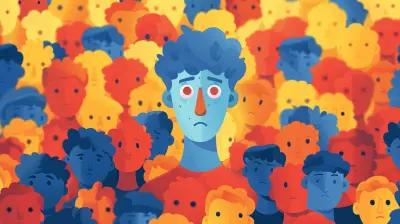
The Relationship Between Bipolar Disorder and Self-Esteem
9 December 2025
Have you ever felt like your self-esteem is riding a rollercoaster? One day you're on top of the world, and the next, you're questioning your worth. Now, imagine that rollercoaster is on hyperdrive—that’s what people living with bipolar disorder often experience. The relationship between bipolar disorder and self-esteem is a complex and often misunderstood topic. In this article, we'll explore how bipolar disorder affects self-esteem, the challenges individuals face, and what can be done to manage these fluctuations.
What is Bipolar Disorder?
First things first, let's get a quick understanding of what bipolar disorder is. Bipolar disorder, formerly known as manic depression, is a mental health condition characterized by dramatic shifts in mood, energy, and behavior. These shifts can range from extreme highs (mania or hypomania) to crushing lows (depression).People with bipolar disorder can experience:
- Manic Episodes: Elevated mood, increased energy, racing thoughts, impulsive behavior, and sometimes an inflated sense of self-esteem.
- Depressive Episodes: Feelings of sadness, hopelessness, low energy, and a diminished sense of self-worth.
Bipolar disorder isn't just about mood swings; it can affect every part of a person's life, including their relationships, work, and, importantly, their self-esteem.
What is Self-Esteem?
Before diving into how bipolar disorder impacts self-esteem, let’s break down what self-esteem actually means. Self-esteem refers to how we view ourselves. It's the value and worth we assign to ourselves based on our beliefs, experiences, and perceptions.It’s a Balancing Act
Self-esteem is like a balancing act. Think of it as a seesaw in a playground. On one side, you have positive experiences, accomplishments, and affirmations that lift you up. On the other side, you have failures, criticisms, and doubts that weigh you down. Most people maintain a relatively stable balance, but for individuals with bipolar disorder, that seesaw can swing dramatically, depending on their mood state.
The Bipolar-Self-Esteem Connection: How Are They Linked?
Now that we have an understanding of both bipolar disorder and self-esteem, let’s dive into how these two interact.Mania and Hypomania: The Self-Esteem Highs
During a manic or hypomanic episode, self-esteem often skyrockets. People may feel invincible, like they can conquer the world. This is known as grandiosity—an inflated sense of self-worth. During these periods, someone with bipolar disorder may:- Believe they are more talented, intelligent, or capable than others.
- Take on risky or impulsive behaviors because they believe nothing can go wrong.
- Feel overconfident in their skills and abilities, sometimes leading to reckless decisions.
While this surge in confidence may seem appealing, it can be dangerous. It’s like driving a car at full speed without brakes—the crash is inevitable.
Depression: The Self-Esteem Lows
On the flip side, when someone with bipolar disorder enters a depressive episode, their self-esteem can plummet. They may feel worthless, hopeless, and overwhelmed by negative self-talk. This is often characterized by:- A deep sense of failure or inadequacy.
- Believing they are a burden to others or that they don’t deserve happiness.
- Struggling with feelings of guilt or shame over past actions, especially those taken during manic episodes.
It’s like being stuck in quicksand—the more they try to pull themselves out, the deeper they sink.
The Swing Between Extremes
So, what happens when you swing between these extremes? It's mentally and emotionally exhausting. Constantly shifting between feeling like you're on top of the world to feeling like you're at rock bottom can leave a person feeling confused and alienated. This inconsistency can make it hard to build a stable sense of self-esteem.Imagine trying to build a house on quicksand. It’s near impossible, right? That’s how individuals with bipolar disorder often feel when trying to maintain a consistent sense of self-worth.

The Impact of Bipolar Disorder on Long-Term Self-Esteem
Living with bipolar disorder can have long-term effects on a person’s self-esteem, beyond the immediate mood episodes. People with bipolar disorder may struggle with:- Shame over Manic Behaviors: After a manic episode, individuals might feel embarrassed or ashamed of their actions. They may have said or done things that were out of character, and the weight of those memories can chip away at their self-worth.
- Guilt from Depressive Episodes: During depressive periods, individuals may feel guilty for not being able to meet their responsibilities, whether that’s at work, school, or in relationships. This guilt can compound feelings of inadequacy.
- Social Stigma: Mental health stigma is very real, and people with bipolar disorder often face judgment from others. This stigma can lead to feelings of being misunderstood or isolated, further damaging self-esteem.
- Difficulty Maintaining Relationships: Mood swings can strain personal relationships, leading to feelings of rejection or abandonment. This can reinforce the belief that they are "unlovable" or "too much" for others to handle.
Managing Self-Esteem with Bipolar Disorder
So, how can someone with bipolar disorder manage their fluctuating self-esteem? It's not easy, but it’s definitely possible. Here are a few strategies that can help:1. Medication and Therapy
The first line of defense in managing bipolar disorder is usually a combination of medication and therapy. Medications like mood stabilizers and antipsychotics can help regulate the extreme highs and lows, giving individuals a more stable emotional foundation to build their self-esteem upon.Therapies such as Cognitive Behavioral Therapy (CBT) or Dialectical Behavioral Therapy (DBT) can help individuals challenge negative thought patterns and develop healthier coping mechanisms.
2. Self-Awareness and Mood Tracking
Understanding your triggers and recognizing early signs of mood shifts can be incredibly helpful. Keeping a mood journal or using a mood-tracking app can help individuals recognize when they are entering a manic or depressive phase. This awareness can allow them to take proactive steps, such as reaching out for support or adjusting their medication.3. Building a Support System
It’s crucial to have a strong support system in place. This could include friends, family, or a therapist who understands the challenges of living with bipolar disorder. Having people to lean on during tough times can help reduce feelings of isolation and boost self-esteem.4. Practice Self-Compassion
Living with bipolar disorder is hard enough without being hard on yourself. Practicing self-compassion means being kind to yourself, especially during depressive episodes. It’s about recognizing that you’re doing the best you can, even when things feel overwhelming.If you wouldn’t speak to a friend harshly, then why speak to yourself that way? Be gentle with yourself, and remember that you are more than your illness.
5. Set Realistic Goals
One way to avoid the extremes of low or inflated self-esteem is by setting realistic, achievable goals. Breaking larger tasks into smaller, manageable steps can help build confidence and prevent feelings of failure. Celebrate each small victory, no matter how minor it may seem.6. Engage in Positive Affirmations
While it may feel cheesy at first, using positive affirmations can slowly reshape how you perceive yourself. Saying things like, "I am worthy," "I am capable," or "I am doing my best" can provide a mental boost, especially during depressive episodes.
The Importance of Understanding
Understanding the relationship between bipolar disorder and self-esteem is important for both individuals with the disorder and those around them. For people living with bipolar disorder, it’s crucial to know that fluctuations in self-esteem are a part of the illness—not a reflection of their true worth.For those who have loved ones with bipolar disorder, understanding how self-esteem can be affected can foster empathy and better support. Rather than judging or criticizing, offering a listening ear and encouragement can go a long way.
Final Thoughts
The relationship between bipolar disorder and self-esteem is like a pendulum, swinging from extreme highs to extreme lows. But with the right tools, support, and understanding, it’s possible to find a middle ground—where your self-worth isn’t dictated by your mood swings, but by your resilience and strength.Remember, bipolar disorder doesn’t define you. It’s just one part of your story, and you have the power to write the rest.
all images in this post were generated using AI tools
Category:
Bipolar DisorderAuthor:

Jenna Richardson
Discussion
rate this article
1 comments
Candace Green
Self-worth transcends diagnosis.
December 11, 2025 at 4:52 AM
Jenna Richardson
Thank you for your insight! I completely agree—self-worth goes beyond any diagnosis and is essential for overall well-being.