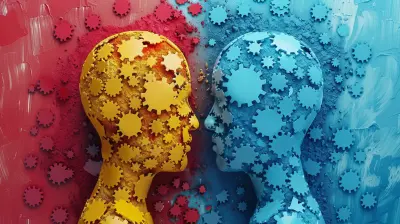
The Psychology of Gratitude: How Being Thankful Changes Our Behavior
5 December 2025
Gratitude—something as simple as saying "thank you"—can have a profound impact on our mindset and, surprisingly, on our behavior. But have you ever stopped to wonder why? What is it about being thankful that can make us feel happier, more connected, and even healthier? Well, it turns out, the psychology of gratitude is more complex and impactful than you might think. Let’s dive into how adopting an attitude of gratitude can reshape your life, your relationships, and even the way your brain functions.
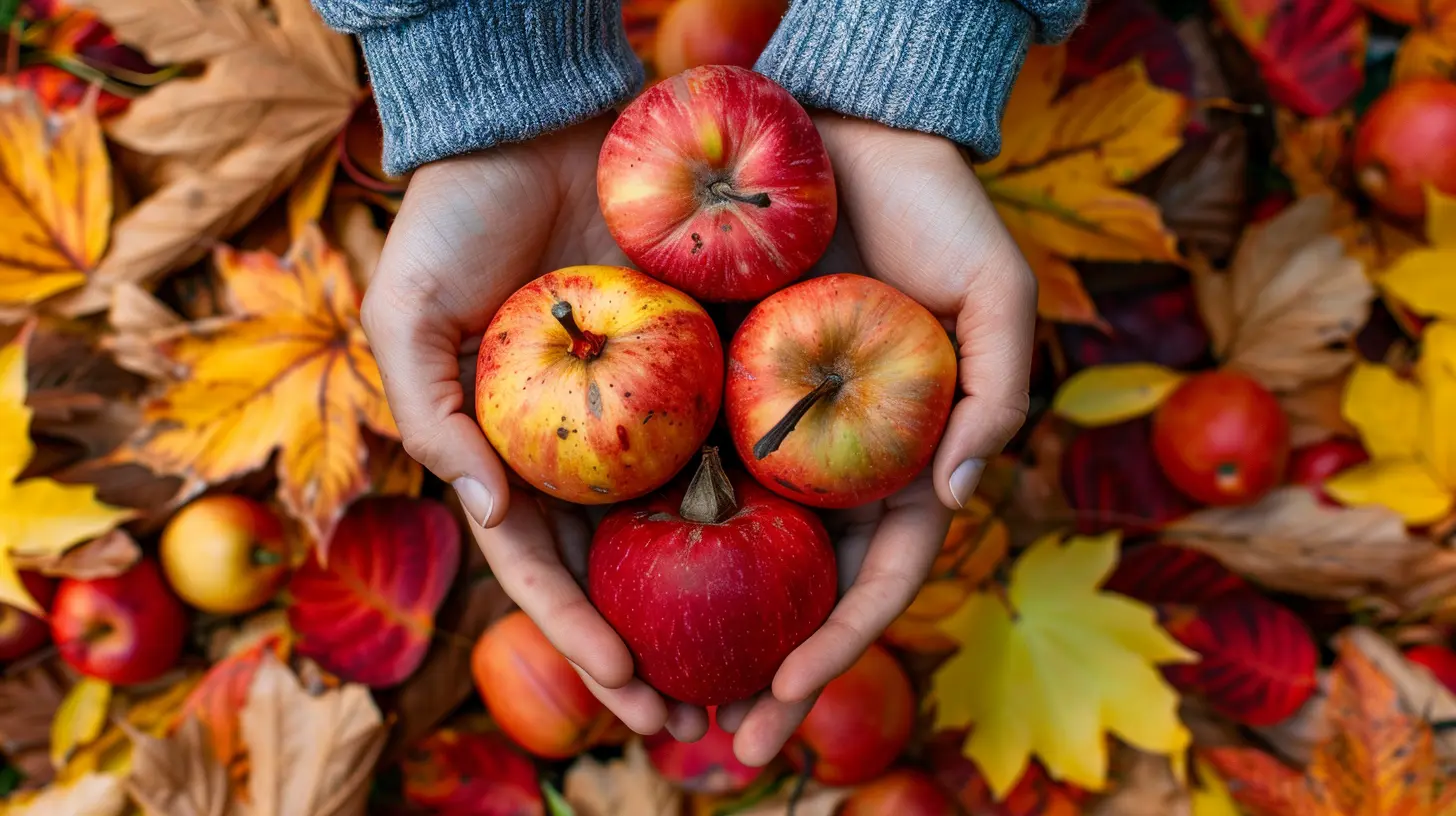
What Is Gratitude, Really?
Gratitude isn’t just about saying "thank you" when someone holds a door for you. It goes much deeper. Psychologists define gratitude as a positive emotional response that we perceive from giving or receiving something of value. It’s about recognizing and appreciating the good in our lives, whether it comes from people, nature, or even our own achievements.Think about it like this: Gratitude is a mental habit—a lens through which we view the world. When you focus on what you have, rather than what you lack, you’re essentially rewiring your brain to recognize positivity and abundance. That’s where the magic happens.
The Science Behind Gratitude
From a scientific standpoint, gratitude has been studied extensively in positive psychology, and the results are fascinating. Researchers have found that practicing gratitude can literally change the way your brain operates. MRI scans reveal that feelings of gratitude activate the brain's reward centers, including the ventral and dorsal medial prefrontal cortex, which are associated with feelings of pleasure, social bonding, and empathy.But it's not just a quick dopamine hit. Gratitude has long-term effects on your brain’s wiring. Over time, this practice can strengthen neural pathways that increase emotional intelligence and resilience. Essentially, the more you practice gratitude, the easier it becomes to experience positive emotions.

How Gratitude Affects Our Behavior
Gratitude doesn’t just make us feel good—it also changes how we act. Let's break down some of the key ways thankfulness influences our behavior.1. Improves Relationships
Imagine you’re in a relationship where your partner never thanks you for anything. Over time, that lack of appreciation can create tension, resentment, and emotional distance. The opposite is also true: expressing gratitude strengthens bonds.Whether it's romantic relationships, friendships, or even work partnerships, gratitude fosters a sense of belonging and mutual respect. Studies show that people who regularly show appreciation to their partners or friends tend to have deeper, more meaningful connections. Why? Because gratitude creates a positive feedback loop. When someone feels appreciated, they’re more likely to reciprocate with kindness, which further strengthens the relationship.
It’s like planting seeds of kindness. The more you water them with gratitude, the more they grow into sturdy, long-lasting trees of trust and affection.
2. Boosts Our Mental Health
Ever noticed how people who practice gratitude seem to have a more optimistic outlook on life? That’s no coincidence. Gratitude is a natural mood booster. Research shows that individuals who practice gratitude regularly report higher levels of happiness and lower levels of depression and anxiety.One study published in the Journal of Personality and Social Psychology found that people who kept a gratitude journal reported feeling 25% happier than those who didn’t. Why? Because focusing on what you’re thankful for shifts your attention away from negative thoughts and trains your brain to focus on the good.
In a world where it’s easy to get caught up in stress, comparison, and negativity, gratitude acts as an emotional shield. It helps you build resilience and cope with life’s challenges by reminding you that even in tough times, there’s always something to be thankful for.
3. Enhances Optimism and Positive Thinking
Gratitude and optimism go hand-in-hand. When you’re grateful, you’re essentially acknowledging that life isn’t all bad. Even on your worst days, there’s something, no matter how small, that you can be thankful for—whether it’s the cup of coffee you had this morning, a call from a friend, or even something as simple as the sun shining through your window.This mindset can shift your overall perspective on life. Grateful people tend to be more optimistic because they focus on abundance instead of scarcity. It’s a bit like wearing rose-colored glasses, but in a healthy, realistic way. You’re not ignoring life’s problems; you’re just choosing to emphasize the positive aspects.
4. Encourages Generosity and Empathy
Gratitude has a ripple effect. When you feel thankful, you’re more likely to pay it forward. Think about it: Have you ever had someone do something kind for you, and it inspired you to do something kind for someone else? That’s gratitude in action.This is because gratitude fosters empathy. When we reflect on the kindness others have shown us, we naturally want to extend that kindness to others. Studies show that people who regularly practice gratitude are more likely to engage in prosocial behaviors like volunteering, donating to charity, or simply lending a helping hand.
It’s like a chain reaction of goodness. One act of gratitude leads to another, creating a cycle of generosity that benefits not only the people around you but also your own sense of well-being.
5. Increases Self-Control and Patience
Ever find yourself struggling with impulsive decisions or impatience? Gratitude might just be the secret sauce you need. Research has shown that grateful people tend to have better self-control and are more patient in achieving their long-term goals.Why? Because gratitude helps you focus on the bigger picture. When you’re thankful for what you have, you’re less likely to chase after fleeting pleasures or make rash decisions. You’re more in tune with what truly matters, which helps you stay on track and make choices that align with your values.
In a way, gratitude is like a mental speed bump. It forces you to slow down, reflect, and make more thoughtful decisions rather than acting on impulse.

How to Cultivate Gratitude in Everyday Life
So, now that you know how powerful gratitude can be, the next question is: How do you incorporate it into your daily life? Here are some simple but effective ways to get started:1. Keep a Gratitude Journal
One of the easiest ways to practice gratitude is by keeping a journal. Every day, jot down three things you're thankful for. They don’t have to be big—a good cup of coffee, a hug from a loved one, or even just a quiet moment to yourself can make the list.Over time, this habit trains your brain to focus on the positive, and you'll start noticing more things to be grateful for throughout your day.
2. Express Gratitude to Others
Don’t just keep your gratitude to yourself—share it! Whether it’s writing a heartfelt thank-you note, sending a quick text, or simply saying “thank you” in person, expressing your gratitude to others strengthens your relationships and spreads positivity.3. Practice Mindfulness
Gratitude and mindfulness go hand-in-hand. Being present in the moment helps you recognize the small things that often go unnoticed. Whether it’s the warmth of the sun on your skin or the sound of birds chirping, taking a mindful moment to appreciate your surroundings can boost your sense of gratitude.4. Reframe Negative Situations
Life isn’t always sunshine and rainbows, but even in difficult times, there’s often something to be thankful for. Try reframing challenges by asking yourself, “What can I learn from this?” or “Is there something positive that can come out of this?”For example, if you’re stuck in traffic, instead of focusing on the frustration, you could be grateful for the extra time to listen to your favorite podcast. It’s all about perspective.
5. Set Daily Reminders
In our busy lives, it’s easy to forget to practice gratitude. Set small reminders for yourself—whether it’s a note on your bathroom mirror or a daily alarm on your phone—to take a moment and reflect on something you’re thankful for.
Final Thoughts: Gratitude as a Superpower
The psychology of gratitude shows us that being thankful isn’t just a feel-good activity—it’s a powerful tool that can transform our behavior, relationships, and overall well-being. By incorporating gratitude into our daily lives, we can build stronger connections, improve our mental health, and even become more generous and empathetic individuals.So, the next time you’re feeling down or stressed, take a moment to reflect on what you’re grateful for. You might just find that it changes everything.
all images in this post were generated using AI tools
Category:
Human BehaviorAuthor:

Jenna Richardson
Discussion
rate this article
1 comments
Josie Roth
Gratitude truly transforms our daily lives!
December 12, 2025 at 4:24 AM
Jenna Richardson
Thank you! I'm glad you found the article resonates with the transformative power of gratitude.