The Invisible Triggers Behind Your Avoidance
24 November 2026
Avoidance behavior is a common psychological phenomenon that manifests in various aspects of life, from procrastination to social withdrawal. Understanding the invisible triggers behind this behavior can be crucial for personal growth and emotional well-being. This article delves into the psychological mechanisms that underlie avoidance, the reasons individuals engage in it, and practical strategies to overcome it.

Understanding Avoidance
What is Avoidance?
Avoidance is a behavioral response where individuals steer clear of situations, tasks, or emotions that provoke discomfort or anxiety. This can manifest in several ways, such as procrastinating on work assignments, avoiding social gatherings, or steering clear of difficult conversations. While avoidance can provide temporary relief, it often leads to increased stress and anxiety in the long run.The Psychology Behind Avoidance
At its core, avoidance is often rooted in fear-fear of failure, fear of judgment, or fear of the unknown. The brain's natural response to perceived threats is to activate the fight or flight response, which can lead to avoidance behaviors as a coping mechanism.Fear and Anxiety
Fear is a powerful motivator for avoidance. When faced with a stressful situation, the brain assesses potential threats and often opts for the path of least resistance. This response is not inherently negative; it can be beneficial in certain contexts, such as avoiding dangerous situations. However, when fear becomes chronic, it can lead to a cycle of avoidance that hinders personal development.Emotional Regulation
Avoidance can also be a strategy for emotional regulation. Individuals may avoid specific emotions, such as sadness or anger, because they are uncomfortable or overwhelming. This leads to a cycle where the avoidance of these emotions can prevent individuals from processing them effectively, causing them to resurface later in more intense forms.
Common Triggers of Avoidance
Perfectionism
Perfectionism is a significant trigger for avoidance. Individuals who hold themselves to unrealistic standards may procrastinate on tasks for fear of not meeting these expectations. This creates a paradox where the desire for perfection becomes a barrier to action.Real-World Example
Consider a student who has a paper due. Instead of starting, they may spend hours perfecting their outline, fearing that anything less than an A will be a failure. This avoidance not only delays the submission but can also lead to increased anxiety as the deadline approaches.Fear of Failure
Fear of failure is another common trigger. The thought of not succeeding can be paralyzing, leading individuals to avoid situations where they might fail. This is particularly prevalent in high-stakes environments, such as the workplace or academic settings.Trade-Offs
While avoiding potentially challenging situations may provide immediate comfort, it often leads to missed opportunities for growth and learning. Individuals may find themselves stuck in their comfort zones, unable to advance in their careers or personal lives.Social Anxiety
Social situations can be particularly challenging for those with social anxiety disorder. The fear of being judged or embarrassed can lead to avoidance of social gatherings, networking events, or even casual interactions.Common Mistakes
A common mistake is to assume that avoidance will permanently alleviate anxiety. In reality, it often exacerbates the issue, reinforcing the belief that social situations are threatening. Over time, this can lead to increased isolation and loneliness.Past Trauma
Individuals with a history of trauma may engage in avoidance as a protective mechanism. They may avoid situations, places, or even people that remind them of their traumatic experiences. While this can provide a sense of safety, it can also limit their ability to engage fully in life.
The Cycle of Avoidance
How Avoidance Reinforces Itself
Avoidance often creates a feedback loop. The more one avoids, the more anxious they become about the situation, leading to further avoidance. This cycle can be difficult to break, as the initial avoidance provides temporary relief, reinforcing the behavior.Breaking the Cycle
To break the cycle, individuals must confront their fears gradually. This is often referred to as exposure therapy, where one gradually faces the feared situation in a controlled manner. This approach helps desensitize individuals to their fears, reducing the anxiety associated with them over time.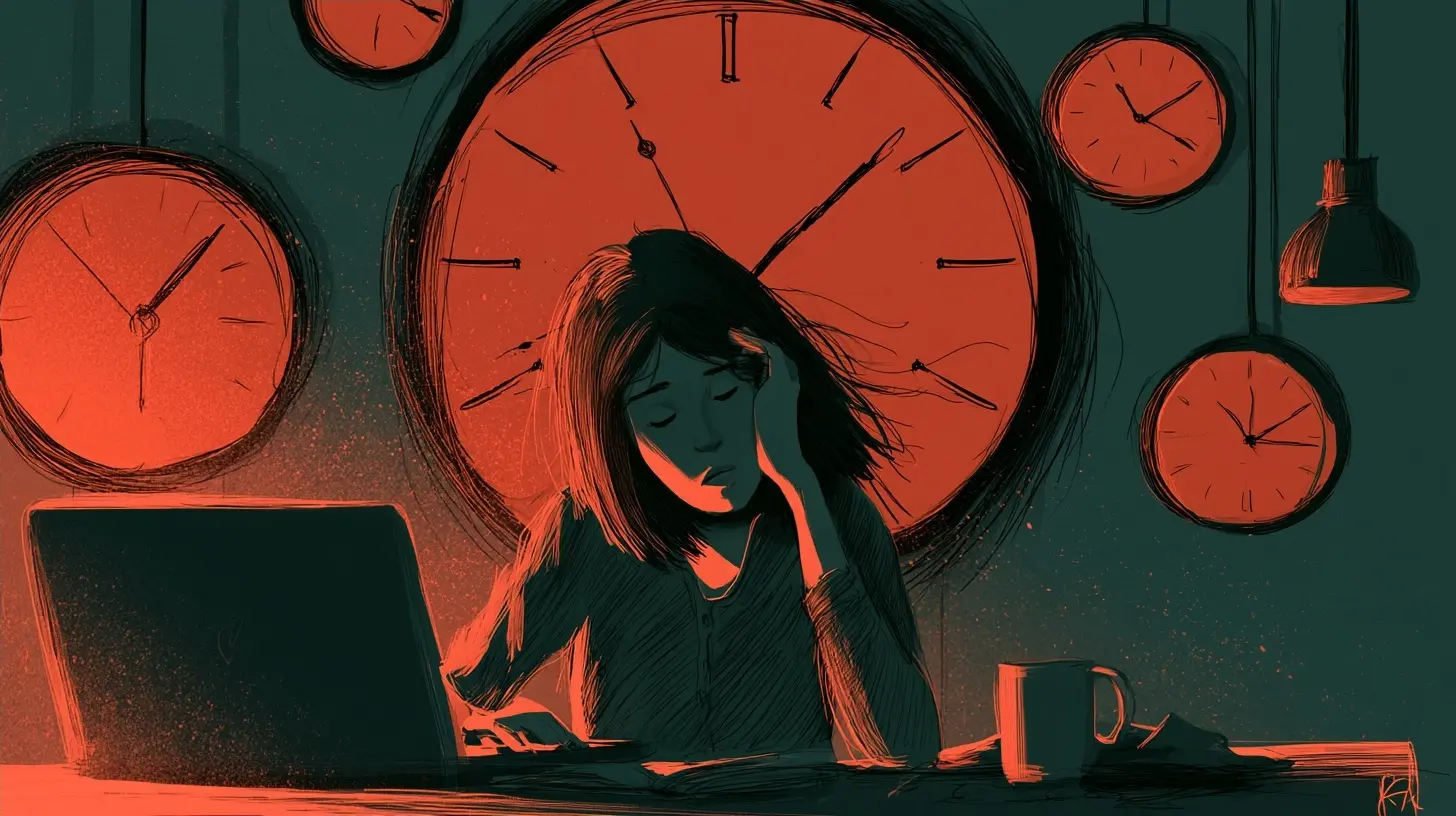
Strategies for Overcoming Avoidance
Cognitive Behavioral Techniques
Cognitive Behavioral Therapy (CBT) is an effective approach for addressing avoidance. CBT helps individuals identify and challenge negative thought patterns that contribute to avoidance behaviors. By reframing these thoughts, individuals can develop healthier coping mechanisms.Practical Application
For example, if someone believes they must be perfect to succeed, they can challenge this belief by acknowledging that mistakes are part of the learning process. This shift in perspective can reduce the fear of failure and encourage action.Mindfulness and Acceptance
Mindfulness practices can also be beneficial in overcoming avoidance. By fostering a non-judgmental awareness of thoughts and feelings, individuals can learn to sit with discomfort rather than fleeing from it. This acceptance can lead to greater emotional resilience.Real-World Example
Consider someone who feels anxious before a presentation. Instead of avoiding the situation, they can practice mindfulness techniques, such as deep breathing or visualization, to manage their anxiety. This approach allows them to engage with the situation more fully.Setting Small Goals
Breaking tasks into smaller, manageable goals can help mitigate avoidance. By focusing on small, achievable steps, individuals can reduce the overwhelming nature of larger tasks, making it easier to take action.Best Practices
For instance, if a person is avoiding a long-term project, they can set a goal to work on it for just 15 minutes a day. This small commitment can build momentum and reduce the anxiety associated with the task.Seeking Support
Engaging with a therapist or support group can provide valuable insights and encouragement. Sharing experiences with others who understand the challenges of avoidance can foster a sense of community and accountability.Advantages of Support
Support systems can offer diverse perspectives and coping strategies that individuals may not have considered. These interactions can help normalize the experience of avoidance and reduce feelings of isolation.Misconceptions About Avoidance
Avoidance is Always Bad
One common misconception is that avoidance is inherently negative. While chronic avoidance can be detrimental, it is essential to recognize that avoidance can serve a purpose. In some cases, it can be a healthy coping mechanism in the short term, allowing individuals to process emotions before confronting them.Avoidance is a Choice
Another misconception is that avoidance is a conscious choice. While individuals may consciously decide to avoid a situation, many underlying psychological factors can influence this behavior. Understanding these factors can lead to greater compassion for oneself and others.
Conclusion
Understanding the invisible triggers behind avoidance is a crucial step in addressing this common behavior. By recognizing the psychological mechanisms at play, individuals can develop effective strategies to confront their fears and reduce avoidance. Through techniques such as cognitive behavioral therapy, mindfulness, and goal setting, it is possible to break the cycle of avoidance and foster a more fulfilling life.
all images in this post were generated using AI tools
Category:
Procrastination SolutionsAuthor:

Jenna Richardson