The Importance of Play in Preventing Burnout
12 April 2026
Burnout. It’s that dreadful word we all fear but often don't talk about enough. You know the feeling—your mind feels like it’s running on fumes, your motivation is in pieces, and even the smallest tasks seem monumental. Whether you're working a 9-to-5 job, running a business, or handling a never-ending to-do list at home, burnout can sneak up on you when you least expect it.
But what if I told you that the solution to burnout might lie in something as simple as play?
Yes, you read that right—play. That thing we did as kids, running around, climbing trees, or getting lost in a board game, may hold the key to regaining mental clarity and reigniting our passion for life and work. Let’s dive deeper into how play can serve as a powerful tool in preventing and even reversing burnout.

What Is Burnout?
Before understanding how play fits into the equation, let’s first define what burnout actually is. Burnout happens when we’re physically, emotionally, and mentally exhausted due to prolonged stress—especially stress related to work or high-demand activities. It's often characterized by feelings of:- Fatigue (no matter how much rest we get)
- Apathy toward tasks that once excited us
- Frustration and irritability
- A feeling of being overwhelmed or stuck in a never-ending cycle
Burnout isn’t just about feeling "tired" after a long day or week. It’s a deep-seated fatigue that gets worse over time, eroding your motivation and happiness. And the hard truth? It doesn’t go away on its own. But the more intriguing truth? It’s totally preventable. This is where play comes in.

The Link Between Play and Mental Health
So, why play? Isn’t that just for kids?Not at all. Play is a fundamental human activity, regardless of age. It’s creative, spontaneous, and joyful. It allows us to disconnect from our daily pressures and instead focus on the present moment. For these reasons, play has been linked to numerous mental health benefits, including:
- Stress relief: Laughter and fun activities reduce cortisol, a hormone responsible for stress.
- Improved mood: Dopamine, the "feel-good" neurotransmitter, is released when we engage in enjoyable activities.
- Enhanced cognitive function: Play stimulates creativity and problem-solving skills.
In fact, studies show that people who engage in playful activities experience less anxiety, are more resilient, and feel more connected to others. These benefits translate directly to burnout prevention.
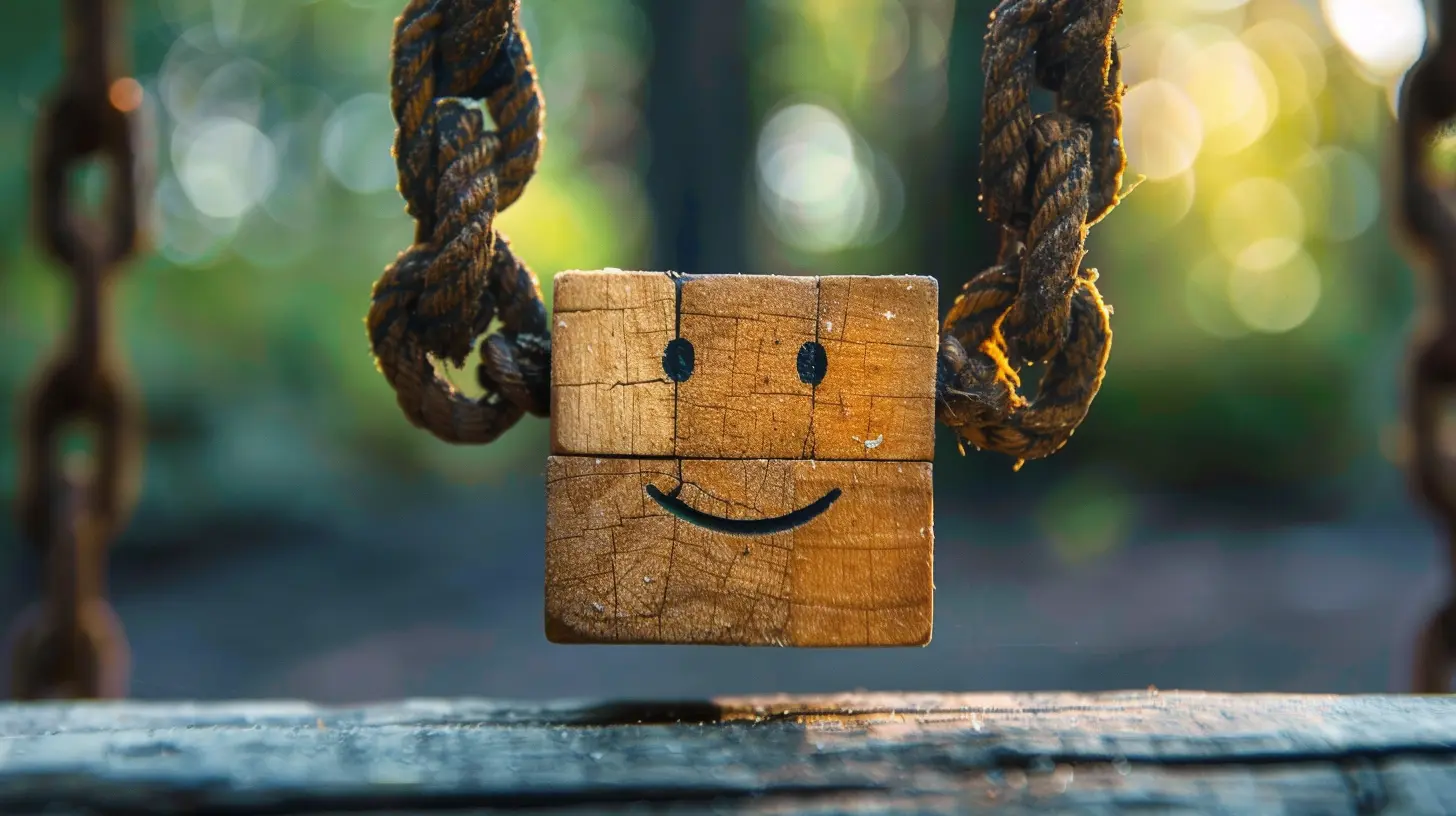
The Science Behind Play and Stress Reduction
We all know the rush to meet deadlines, the juggling of priorities, and the constant pinging of notifications. It’s no wonder so many of us feel like we're running on empty. But did you know that chronic stress alters the brain’s architecture?Prolonged exposure to stress dampens brain plasticity, impacting areas such as the hippocampus (responsible for memory) and the prefrontal cortex (responsible for decision-making). Over time, this can result in poor focus, lack of productivity, and difficulty managing emotions—hallmarks of burnout.
Enter play. When we engage in playful activities, our brain enters a state of "flow," where we are immersed and fully present in what we’re doing. This downtime for our brain allows it to recover from stress and rewire to a healthier state. In other words, play serves as a mental "reset," providing a circuit breaker to the constant demands of life.
Think of your brain like an overworked computer. You wouldn’t expect it to keep running smoothly if you never gave it time to reboot, would you?

Why Adults Need Play Just As Much As Kids
You might think play is silly or unproductive as an adult—but nothing could be further from the truth. Play isn’t a luxury, it’s a necessity, regardless of age.Children naturally understand this concept. They engage in play without prompting, and as a result, reap the benefits: development of motor skills, social bonds, and emotional regulation. But somewhere along the line, adulthood convinces us that we should "grow out" of playing. We prioritize responsibilities, deadlines, and accomplishments over our own well-being.
The problem with losing this playful spirit? It leaves no room for your brain to switch gears and recuperate. Play, for adults, offers a respite from the grind of daily life and helps combat the feelings of being "stuck."
What Does "Play" Look Like for Adults?
You might be thinking, “I don’t have time for tag in the park,” but play takes many forms, and it doesn’t have to be physical—although it certainly can be.Here are a few ways adults can incorporate play into their lives:
1. Games: Whether it’s board games, video games, or mobile games, playing can stimulate your mind and bring you back to simpler times.
2. Creativity: Drawing, painting, writing, or playing a musical instrument are all forms of creative play that trigger imaginative thinking.
3. Sports or Exercise: Physical activity can be playful too. Think of activities like yoga, dancing, or even a backyard game of catch.
4. Social Interactions: Play can also be social. Engaging in light-hearted conversations with friends, joking around, or participating in fun group activities can fulfill your need for connection and joy.
5. Mind Puzzles and Strategy Games: Things like Sudoku or jigsaw puzzles are excellent ways to engage your mind in a playful, low-stress environment.
How Play Prevents Burnout: A Case Study
Let’s take the example of Melissa, a 35-year-old marketing manager at a busy ad agency. Melissa loved her job, but over the last few years, she found herself struggling to concentrate, dreading her tasks, and snapping at her co-workers. She was, without a doubt, burned out.Desperate for a solution, Melissa started experimenting with her after-work routine. Instead of checking emails or zoning out in front of the TV, she picked up the guitar—a hobby she hadn’t touched since college. She started playing for just 20 minutes a day.
The transformation was almost immediate. Melissa found that the act of playing music helped her disconnect from the stresses of work. Her mind felt clearer, her energy level rose, and she was able to approach her job with renewed focus.
The lesson? Just dedicating small pockets of time to playful activities can help prevent and alleviate burnout. Play took Melissa out of survival mode and brought her back to a state where she could thrive.
How to Incorporate Play Into Your Busy Life
Okay, so play sounds great—but you might be thinking, "How am I supposed to fit play into my already jam-packed schedule?"Here are some tips to help you carve out moments of play:
1. Start Small: You don’t need hours of play for it to be effective. Even just 10 minutes a day can make a big difference. Think of it as “mental maintenance.”
2. Switch Gears: If you’re someone who works in a high-stress environment, opt for gentle, low-pressure play. You don't need to be competitive—try collaborative games or nature walks.
3. Unplug: Put down the devices that remind you of work (I’m looking at you, email) and pick up tools that spark creativity or fun instead.
4. Be Playful with Friends and Family: Gathering with loved ones over a game night or a fun outdoor activity can be both social and playful.
5. Mix It Up: Keep your play fresh. Try out different forms of play throughout the week—one day it might be a puzzle, the next, it could be shooting hoops or learning a TikTok dance.
Final Thoughts: A Playful Life is a Balanced Life
The importance of play in preventing burnout cannot be overstated. It’s not about shirking responsibilities or ignoring the work that needs to be done. Instead, it’s about giving yourself permission to engage in joy, creativity, and lightness—a much-needed antidote to an overly-structured, often stressful world.If we can embrace the power of play as part of our self-care toolkit, we will not only be more resilient to burnout but also rediscover aspects of ourselves that stress had pushed to the side. So, take a deep breath, put down your to-do list for a moment, and go have some fun. You’ll be surprised how much better you feel.
all images in this post were generated using AI tools
Category:
BurnoutAuthor:

Jenna Richardson
Discussion
rate this article
2 comments
Pearl Wolf
Play is not just for kids; it's a vital tool for adults too. Incorporating playful moments into our routines can recharge our minds and combat burnout. Embrace your inner child-after all, who said fun has to stop with age?
September 19, 2026 at 4:39 PM
Zyana Alexander
Who knew that playing like a child could be the secret ingredient to adult sanity? Next time you feel the burnout creeping in, ditch the stress and grab a hula hoop! Turns out, a little fun can turn that heavy load into just a game. Let the good times roll!
April 16, 2026 at 3:43 AM
Jenna Richardson
Absolutely! Play is such a simple yet powerful way to recharge. Embracing fun can really lighten the load. Let's keep the good times rolling!