The Impact of Social Anxiety on Academic Performance
5 June 2026
Social anxiety is more than just shyness or nervousness in social situations. It’s a deep-rooted fear of judgment, embarrassment, or rejection. For students, this can be particularly challenging, as school is filled with social interactions—group projects, classroom discussions, presentations, and networking with teachers and peers.
But how does social anxiety affect academic performance? Can it hold students back from reaching their full potential? Let’s break it down.
Understanding Social Anxiety
Before diving into its academic impact, let’s first understand what social anxiety really is.Social anxiety disorder (SAD), also known as social phobia, is a condition where individuals experience intense fear or discomfort in social situations. This fear isn’t limited to large crowds or public speaking—it can include simple interactions like asking a teacher a question, joining a study group, or even walking through a crowded hallway.
Common Symptoms of Social Anxiety
Students struggling with social anxiety often experience:- Extreme nervousness in social settings
- Fear of being judged, embarrassed, or humiliated
- Avoidance of group activities or class participation
- Difficulty making eye contact or speaking to authority figures
- Racing thoughts and overanalyzing past interactions
- Physical symptoms like sweating, trembling, or increased heart rate
Now, imagine trying to excel in school while dealing with all this. It’s no surprise that social anxiety can take a toll on academic performance.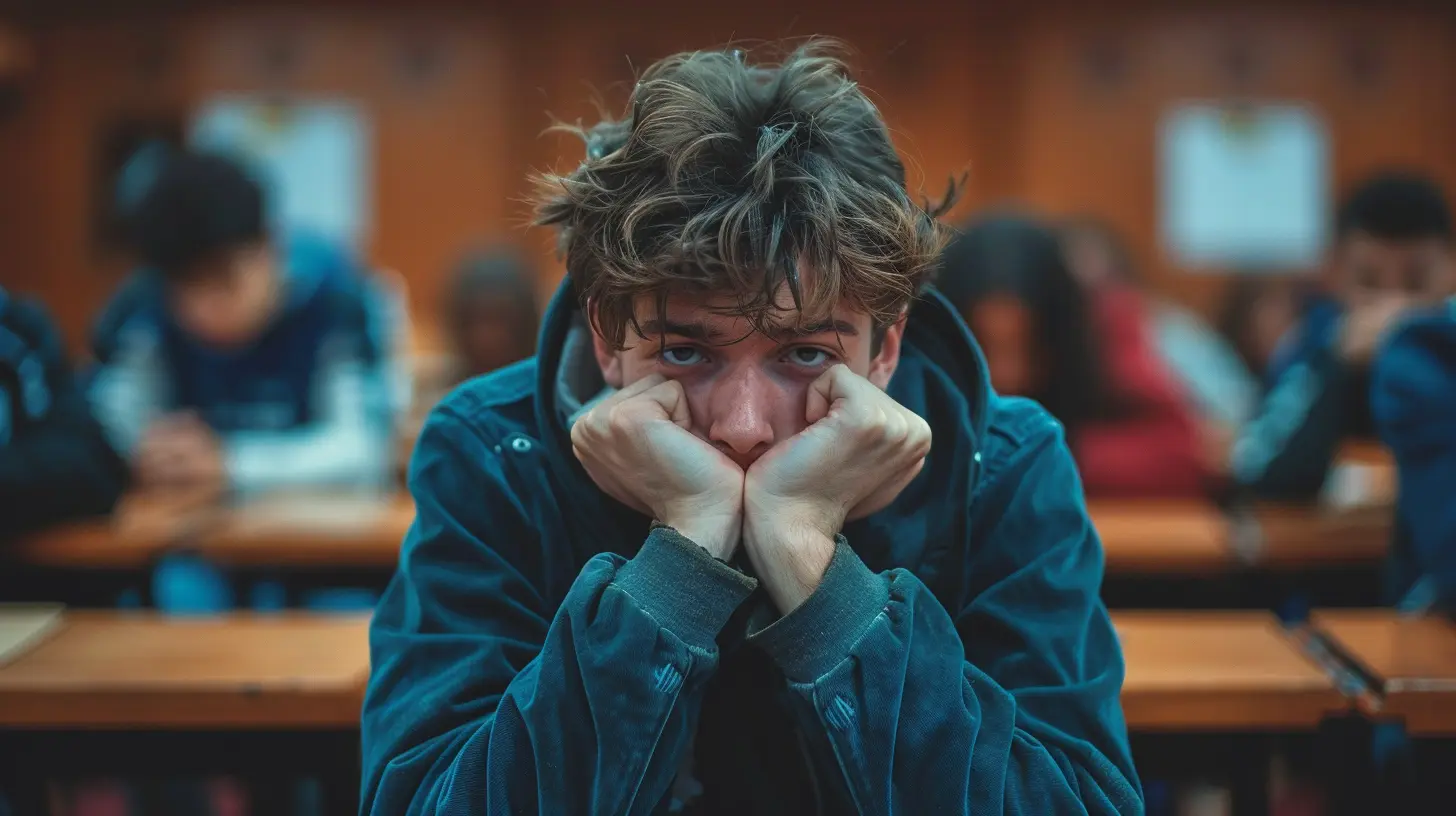
How Social Anxiety Affects Academic Performance
1. Avoidance of Class Participation
Classroom participation is a key component of academic success. Teachers encourage discussions, debates, and Q&A sessions to help students engage with the material. But for a student with social anxiety, speaking up in class feels like walking a tightrope with no safety net.Instead of asking questions when confused, they stay silent. Instead of sharing ideas, they hold back. Over time, this lack of participation can lead to lower grades, reduced confidence, and missed learning opportunities.
2. Fear of Presentations and Public Speaking
Public speaking is a nightmare for most people, but for those with social anxiety, it can be paralyzing. Many courses require presentations, speeches, or oral exams. The mere thought of standing in front of a class can send an anxious student into panic mode. Some may even skip class or take lower grades just to avoid speaking publicly.This fear can limit their academic growth, making it harder to develop essential communication skills needed for future careers.
3. Difficulty in Group Projects
Group projects are designed to encourage teamwork and collaboration. But for a socially anxious student, working with others can be more stressful than beneficial.Instead of contributing ideas, they might stay quiet. Instead of leading a discussion, they may avoid the group altogether. This often leads to misunderstandings with peers, frustration, and unbalanced workloads. Not only does this hurt their grades, but it can also reinforce feelings of inadequacy and isolation.
4. Increased Academic Stress and Burnout
The constant worry about social interactions, combined with academic pressures, can be mentally exhausting. Many socially anxious students experience heightened stress levels, which can lead to burnout. They may procrastinate on assignments, struggle with deadlines, or even experience sleep disturbances—factors that all contribute to declining academic performance.5. Avoidance of Asking for Help
One of the biggest hurdles for anxious students is asking for help. Whether it’s seeking clarification on a topic, discussing grades with a teacher, or asking for extensions, the fear of speaking up prevents them from getting the support they need.As a result, they may struggle silently, falling behind in coursework while their peers move ahead. 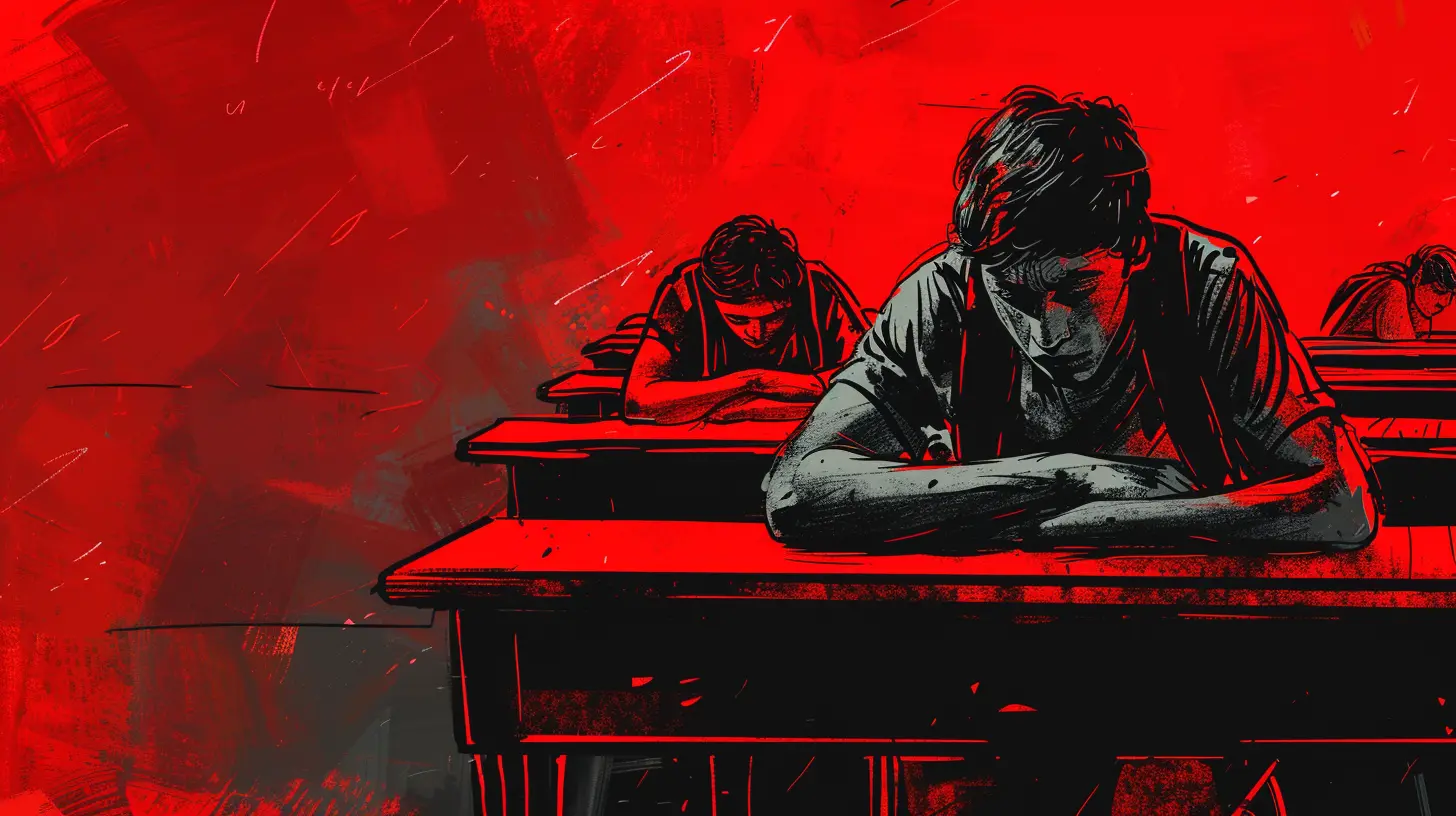
Long-Term Consequences of Social Anxiety in Education
The effects of social anxiety don’t just stop in high school or college. If left unaddressed, it can have long-term consequences on a student’s academic and professional future.1. Limited Career Opportunities
Many careers require strong communication, teamwork, and networking skills. If social anxiety prevents students from developing these abilities, they may struggle in job interviews, workplace discussions, or leadership roles.2. Lower Self-Confidence
When students consistently avoid social and academic challenges, their confidence takes a hit. Over time, they may start believing they’re incapable or unworthy of success, which can impact their motivation and aspirations.3. Higher Dropout Rates
Some students with severe social anxiety may find school so overwhelming that they consider dropping out altogether. Without proper interventions, they might miss out on crucial educational and career opportunities.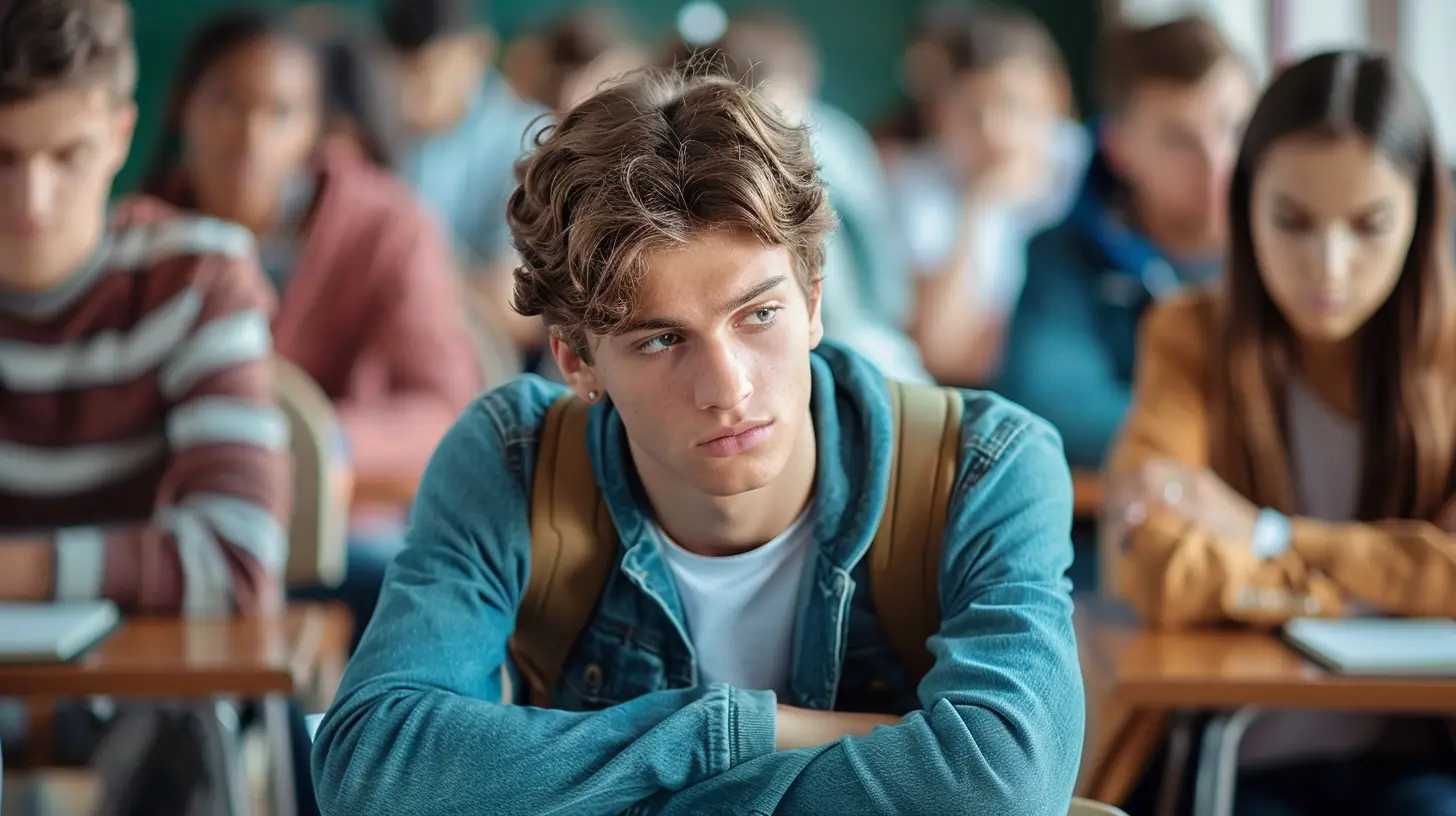
How Students Can Manage Social Anxiety in School
Social anxiety can feel like a massive roadblock, but it’s not insurmountable. Here are some practical strategies for managing anxiety and improving academic performance.1. Gradual Exposure to Social Situations
Avoidance only fuels anxiety. Instead, slowly exposing oneself to challenging social situations can help build confidence over time. Start small—answering a question in class, joining a small study group, or speaking to a teacher one-on-one.2. Practice Public Speaking
If giving presentations is a struggle, practice in front of a mirror, record yourself, or present to a friend or family member. The more familiar it feels, the less intimidating it becomes.3. Challenge Negative Thoughts
Socially anxious students often overthink situations and expect the worst. Instead of assuming failure, challenge those thoughts. Ask, “What’s the worst that could happen?” Often, the reality isn’t as bad as the fear makes it seem.4. Utilize School Resources
Most schools have counseling services, support groups, or workshops designed to help students with anxiety. Seeking help isn’t a sign of weakness— it’s a step toward self-improvement.5. Build a Support System
Having understanding friends, teachers, and mentors can make a world of difference. Confiding in supportive people can provide reassurance and encouragement.6. Practice Relaxation Techniques
Simple practices like deep breathing, mindfulness, or journaling can help manage anxiety levels before stressful academic situations. A calm mind is better equipped to handle challenges.Final Thoughts
Social anxiety can have a significant impact on academic performance, but it doesn’t have to define a student’s success. With the right strategies, support, and mindset shifts, students can navigate their social fears while still excelling in academics.If you (or someone you know) struggle with social anxiety in school, remember—you’re not alone, and there are ways to manage it. Small steps lead to big changes, and growth happens outside of your comfort zone.
all images in this post were generated using AI tools
Category:
Social AnxietyAuthor:

Jenna Richardson
Discussion
rate this article
1 comments
Rosanna Henson
This article offers valuable insights into how social anxiety affects students. Understanding these challenges can guide educators and peers in creating supportive environments that help individuals thrive academically while managing their anxiety. Great read!
June 15, 2026 at 4:16 AM
Jenna Richardson
Thank you for your kind words! I'm glad you found the article helpful in understanding social anxiety and its impact on students. Your support means a lot.